The Future of Three-in-One Filling Machine Industry
-
category
-
model number
-
specs
instructions
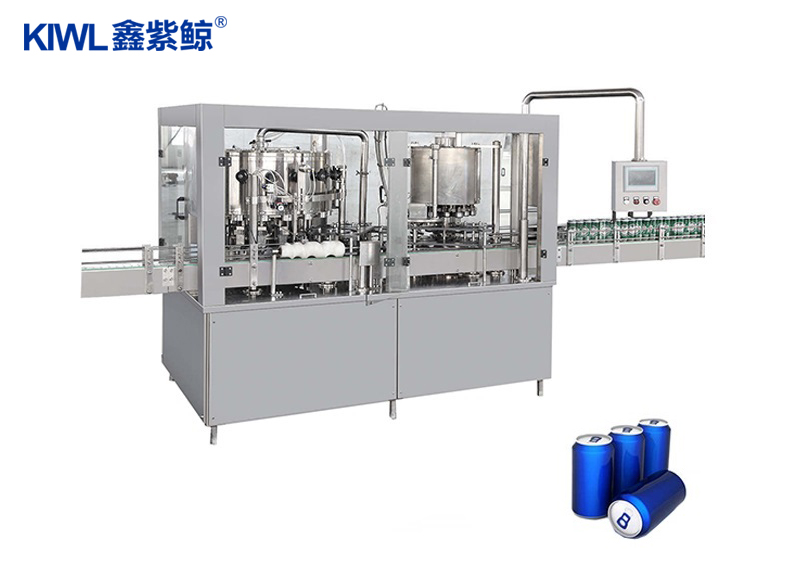
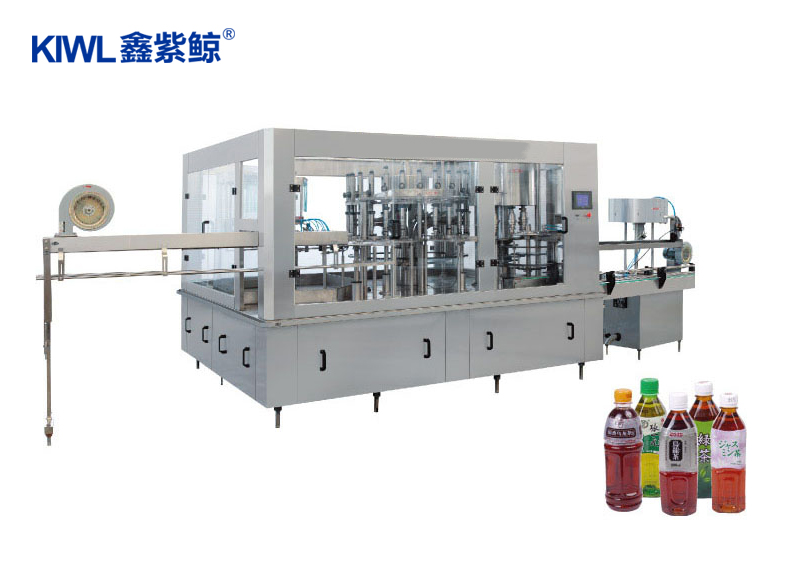
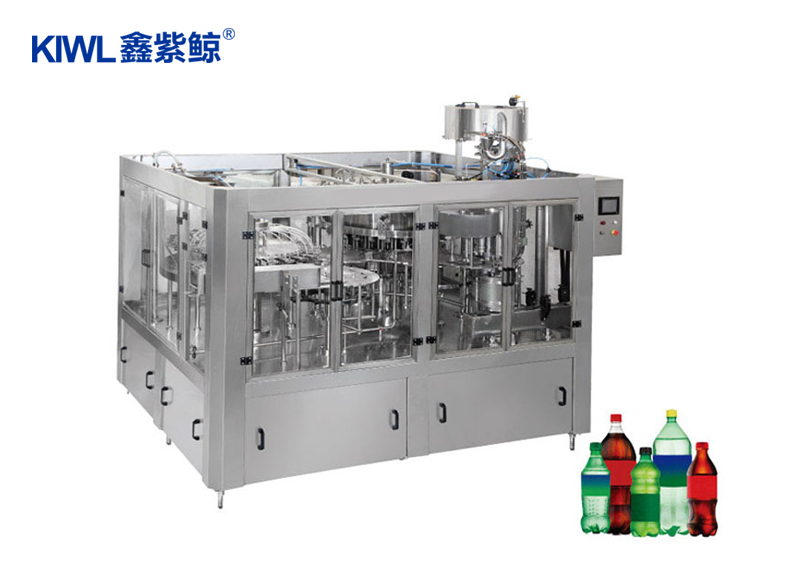
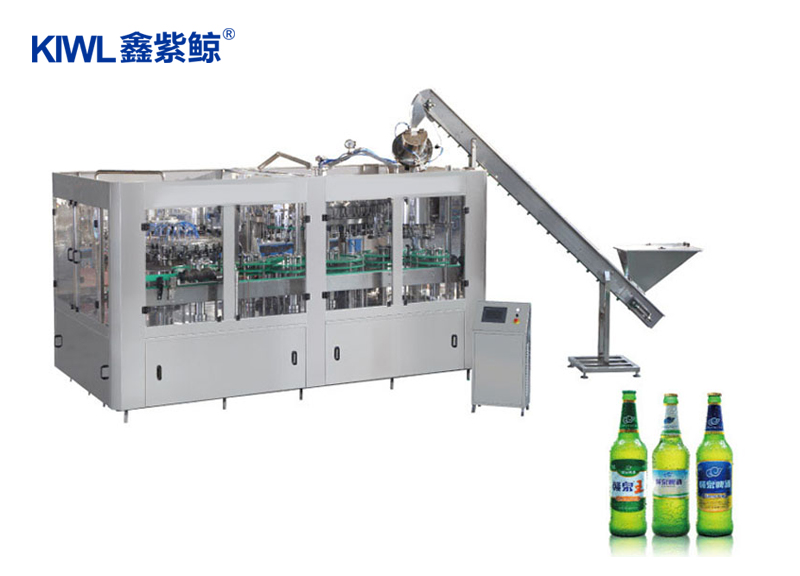
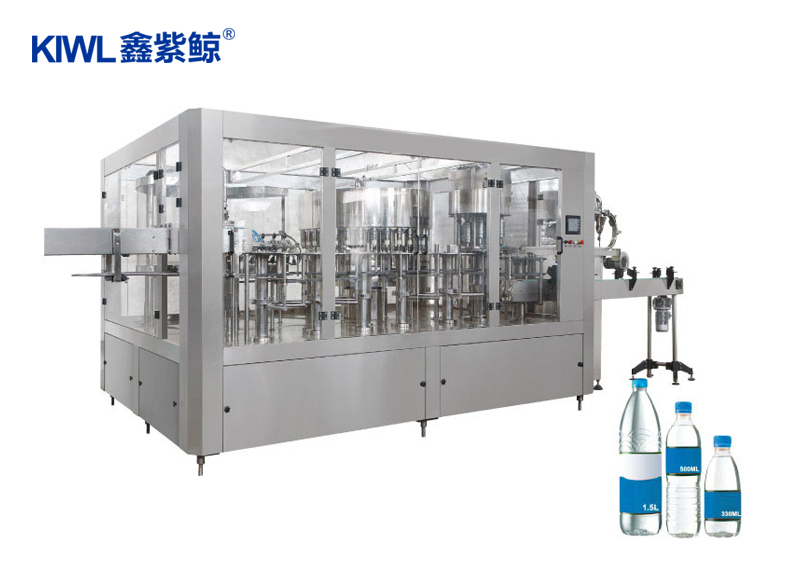
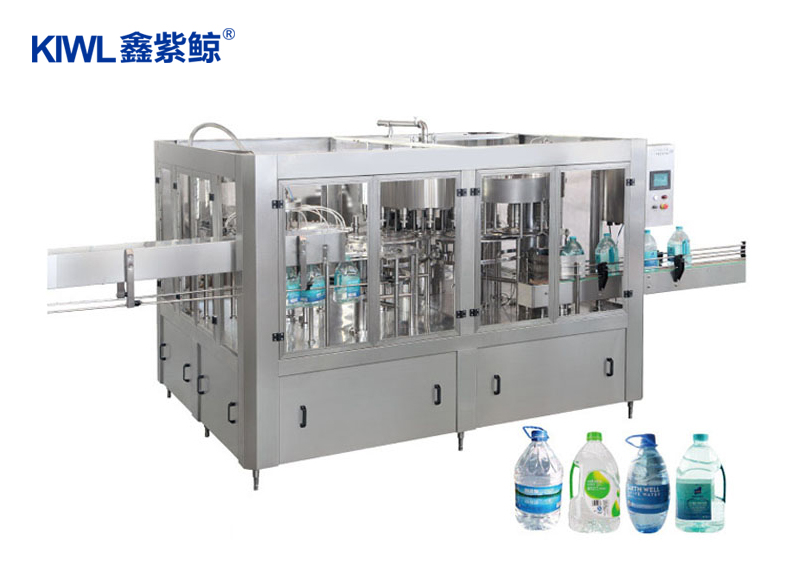
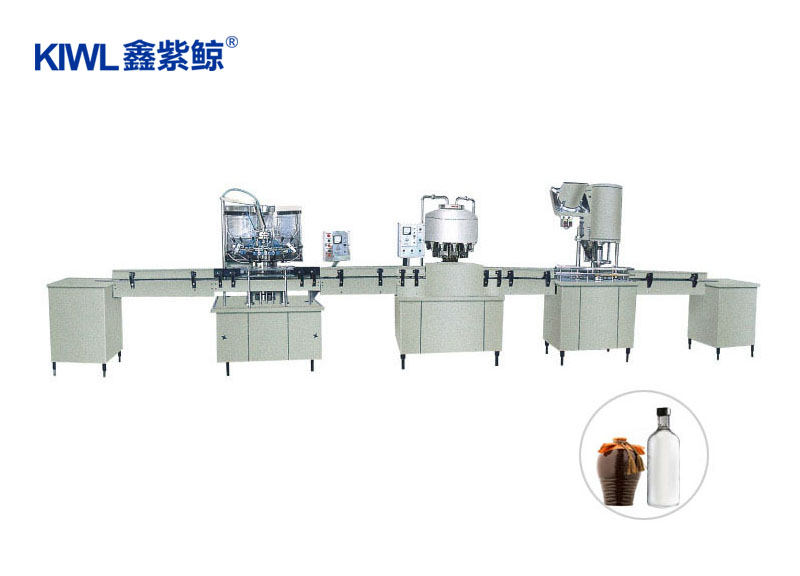
The three-in-one filling machine industry is poised for remarkable growth in the coming years, driven by technological advancements and increasing demand across various sectors. These machines, which integrate functions such as rinsing, filling, and capping into a single system, are revolutionizing production lines worldwide. From beverages to pharmaceuticals, the versatility and efficiency of three-in-one filling machines make them indispensable in modern manufacturing.

Technological Advancements Propel Innovation
Advancements in automation and robotics have been instrumental in shaping the future of three-in-one filling machines. These machines are now equipped with sophisticated sensors and control systems that ensure precision and reliability in operations. The integration of IoT (Internet of Things) technology allows for real-time monitoring and data analytics, optimizing production efficiency and minimizing downtime. Manufacturers are continually investing in research and development to enhance machine capabilities, such as faster changeovers between product types and sizes, further driving industry growth.
Market Expansion Across Diverse Sectors
The application of three-in-one filling machines extends across a wide range of industries, including food and beverage, pharmaceuticals, cosmetics, and household chemicals. In the beverage sector alone, these machines are crucial for filling various liquids such as water, carbonated drinks, juices, and alcoholic beverages into bottles or cans efficiently and hygienically. Similarly, in pharmaceuticals, stringent quality control measures demand the use of advanced filling technologies to ensure accurate dosage and product integrity. As consumer demand for convenience and product variety grows, so does the need for versatile and adaptable filling solutions.
Sustainability and Cost Efficiency Driving Adoption
In addition to technological prowess, sustainability has emerged as a key driver of market adoption. Modern three-in-one filling machines are designed to minimize waste, reduce energy consumption, and optimize resource utilization. Manufacturers are increasingly prioritizing eco-friendly practices, aligning with global sustainability goals and consumer expectations. Furthermore, the operational cost efficiency of these machines, achieved through reduced labor costs and enhanced production rates, enhances their appeal to businesses looking to improve their bottom line without compromising on quality.
Conclusion
The future of the three-in-one filling machine industry looks promising, driven by technological innovation, expanding market applications, and a commitment to sustainability. As industries continue to evolve and consumer demands become more complex, the role of these advanced machines in ensuring efficient and sustainable production processes will only become more crucial. Manufacturers and stakeholders in various sectors are poised to benefit from the capabilities of three-in-one filling machines, positioning this industry for substantial growth in the years to come.