Three-in-One Filling Machinery Best Practices
-
category
-
model number
-
specs
instructions
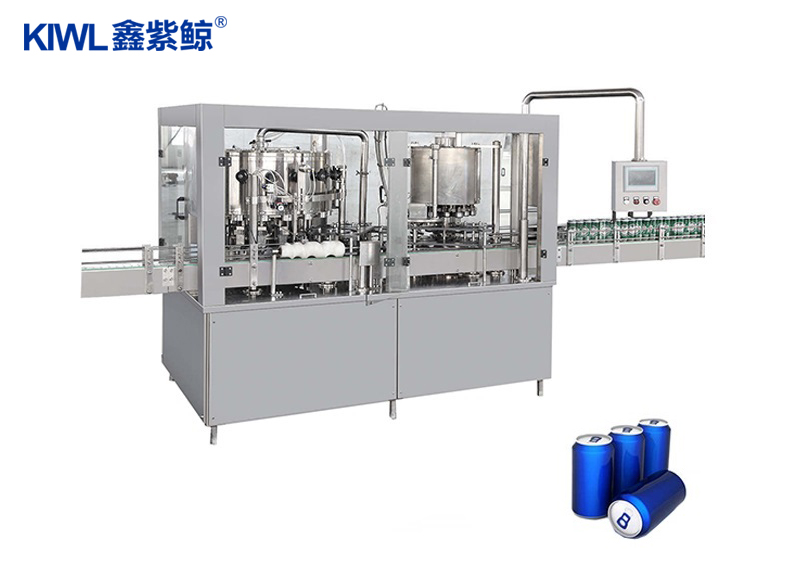
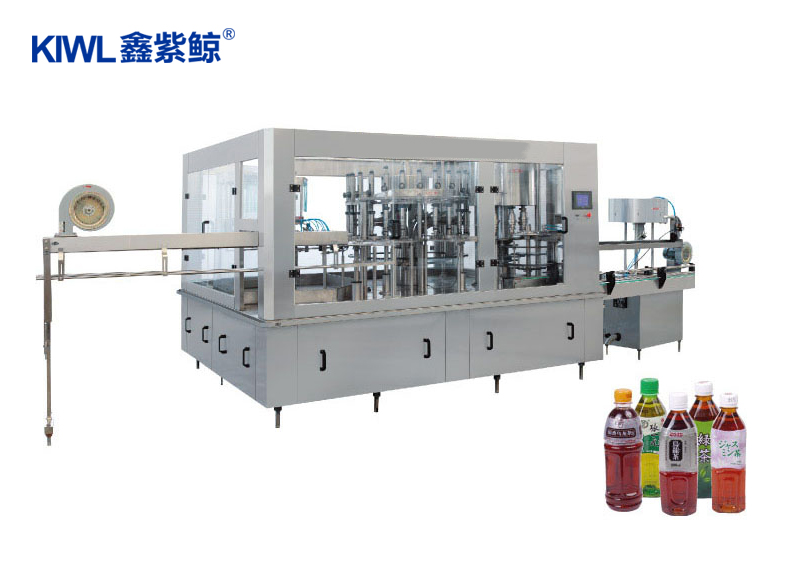
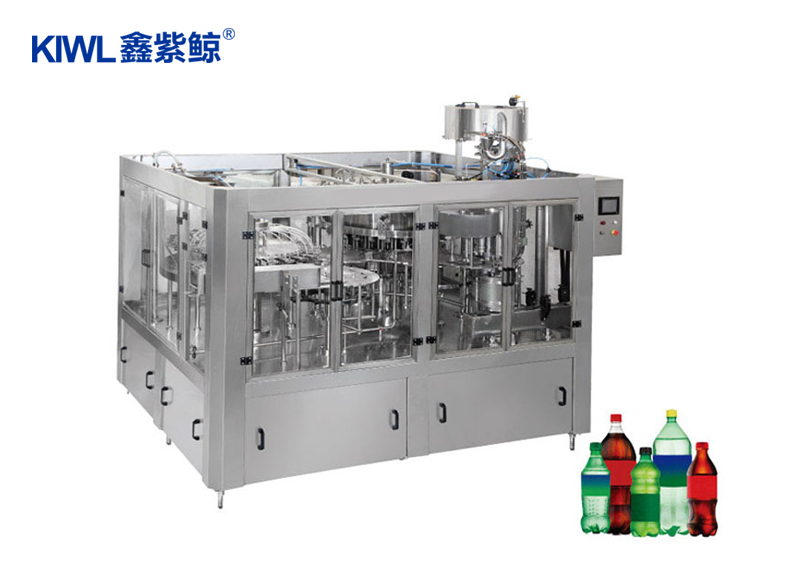
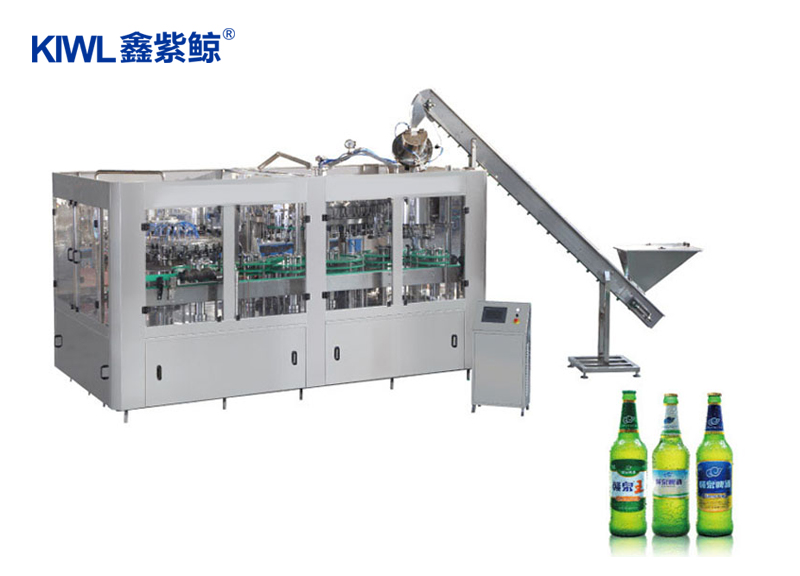
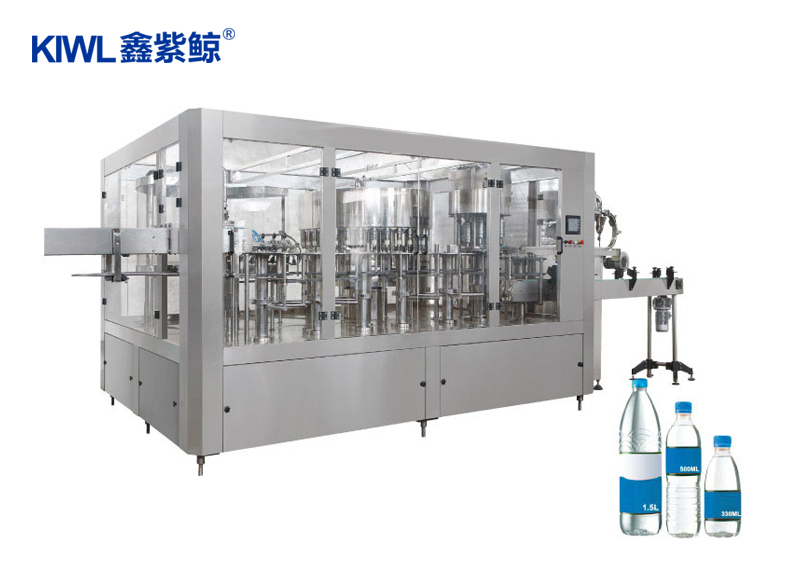
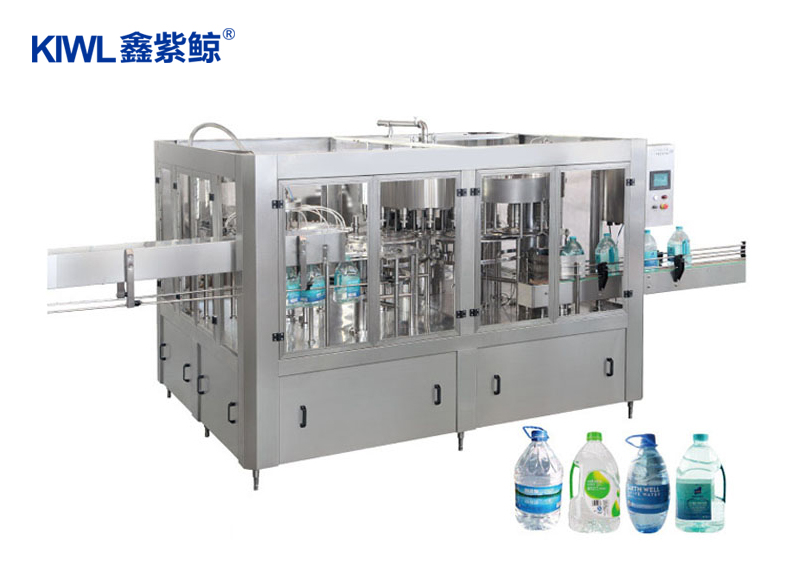
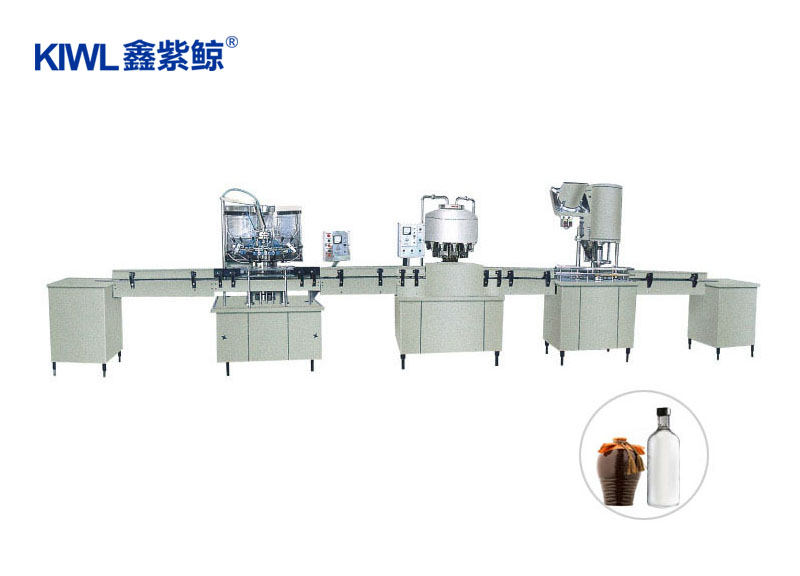
In the realm of industrial manufacturing, the utilization of three-in-one filling machinery represents a pinnacle of efficiency and reliability. These machines integrate the processes of bottle rinsing, filling, and capping into a seamless operation, catering to diverse industries such as pharmaceuticals, beverages, and cosmetics. The importance of adhering to best practices in operating and maintaining these machines cannot be overstated, ensuring both optimal performance and longevity.
Advantages of Three-in-One Filling Machinery
Three-in-one filling machinery offers significant advantages over traditional separate systems. By consolidating three critical processes into one streamlined unit, these machines minimize production downtime and enhance overall efficiency. This integration reduces the need for manual handling and intermediate storage, thereby lowering the risk of contamination and product loss. Moreover, the compact design of these machines saves valuable floor space, making them ideal for both large-scale production facilities and smaller operations looking to optimize their footprint.

Operational Excellence
Achieving operational excellence with three-in-one filling machinery requires adherence to specific guidelines. Firstly, meticulous calibration and regular maintenance are paramount to ensure precise filling volumes and consistent performance. Operators must also undergo comprehensive training to effectively monitor the machine's operation and promptly address any issues that may arise. Routine inspection of seals, valves, and tubing is essential to prevent leaks and uphold product quality standards. By maintaining a proactive approach to upkeep and calibration, manufacturers can maximize uptime and minimize production interruptions.
Cost Efficiency and Sustainability
From a financial standpoint, investing in three-in-one filling machinery proves cost-effective over the long term. While the initial capital outlay may be higher compared to traditional systems, the reduced operating costs and increased production output justify the investment. Additionally, the energy-efficient design of modern filling machines contributes to sustainability efforts by minimizing resource consumption and waste generation. Manufacturers can align with global sustainability goals while enhancing their operational efficiency through the adoption of advanced filling technology.
Conclusion
In conclusion, three-in-one filling machinery exemplifies a modern approach to industrial manufacturing, combining efficiency, reliability, and sustainability. By integrating bottle rinsing, filling, and capping processes into a single unit, these machines streamline production, reduce operational costs, and minimize environmental impact. Adhering to best practices such as regular maintenance, operator training, and strategic investment ensures optimal performance and longevity of these advanced systems. As industries evolve, the adoption of three-in-one filling machinery represents a strategic advantage for manufacturers seeking to achieve operational excellence in a competitive market landscape.