Three-in-One Filling Machinery: Detailed Explanation of Advantages<p>In the real
-
category
-
model number
-
specs
instructions
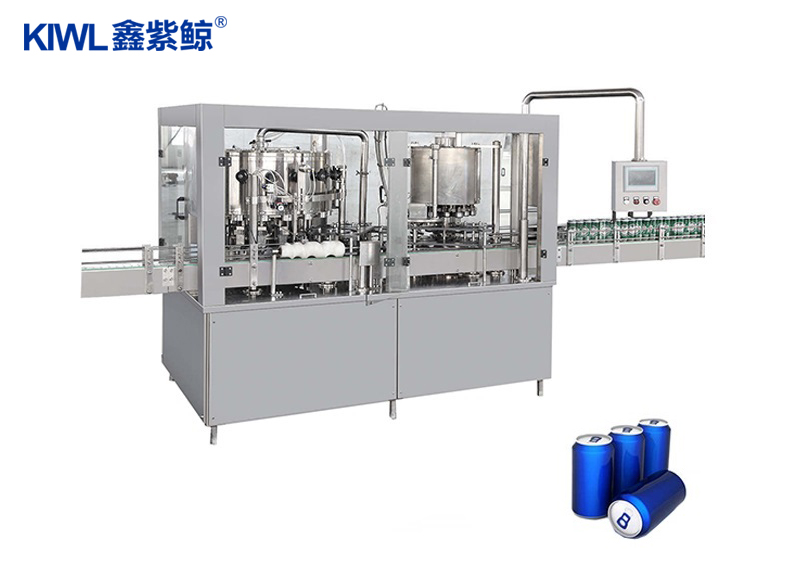
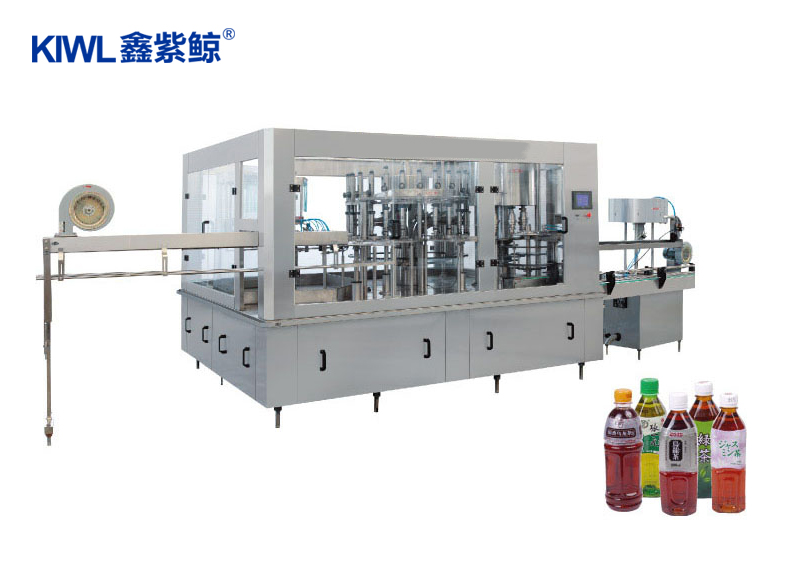
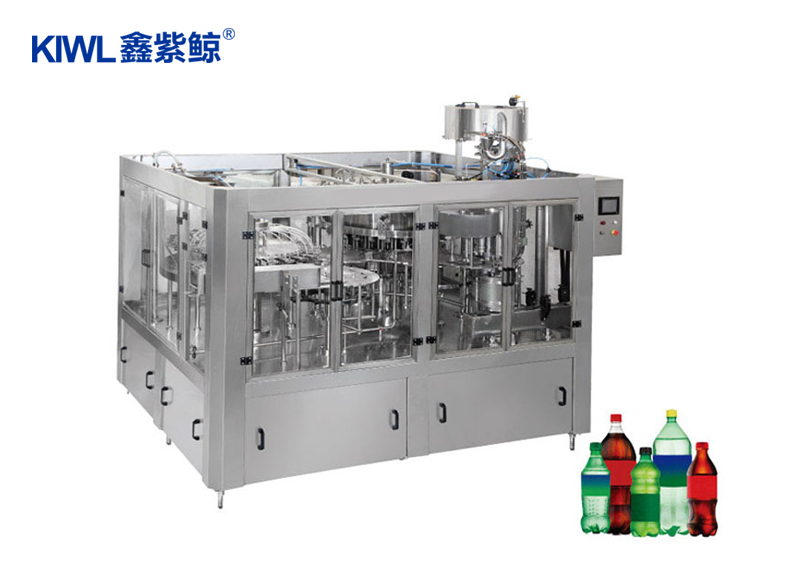
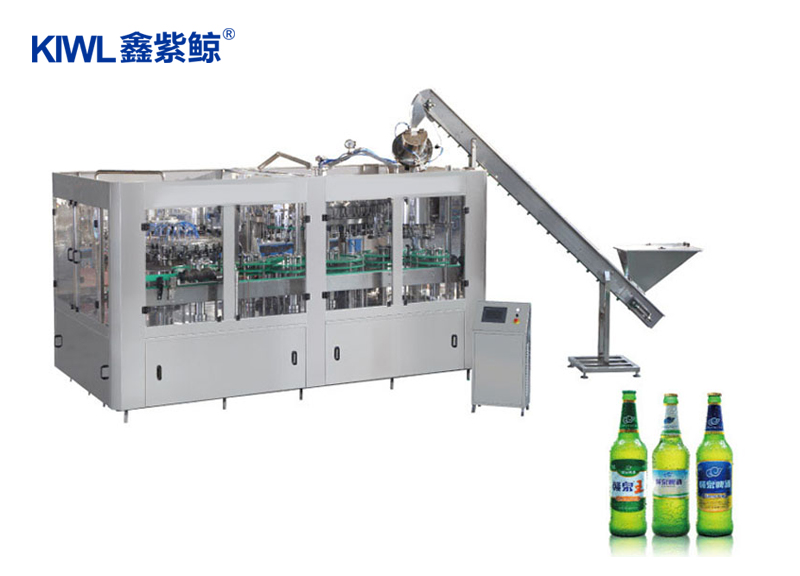
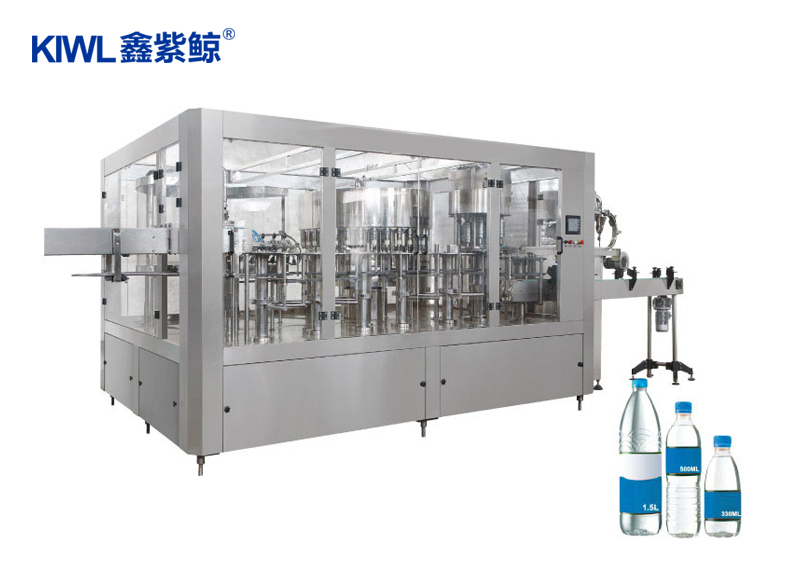
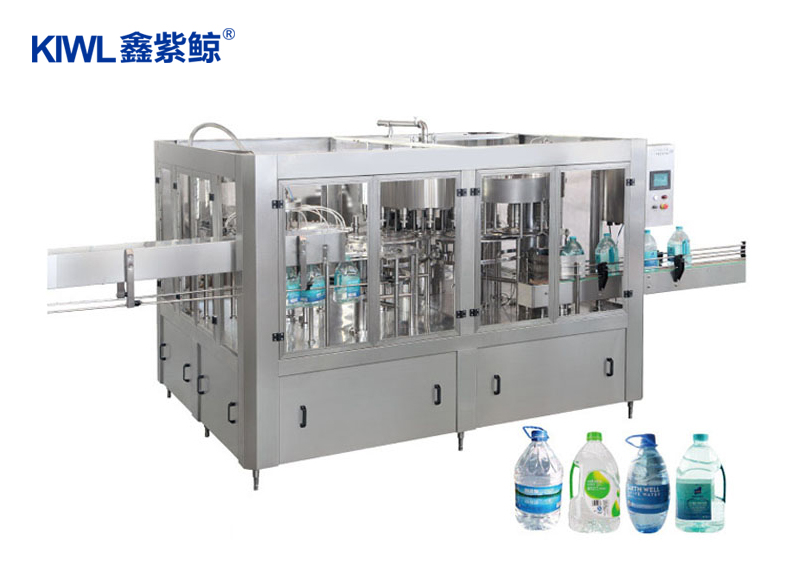
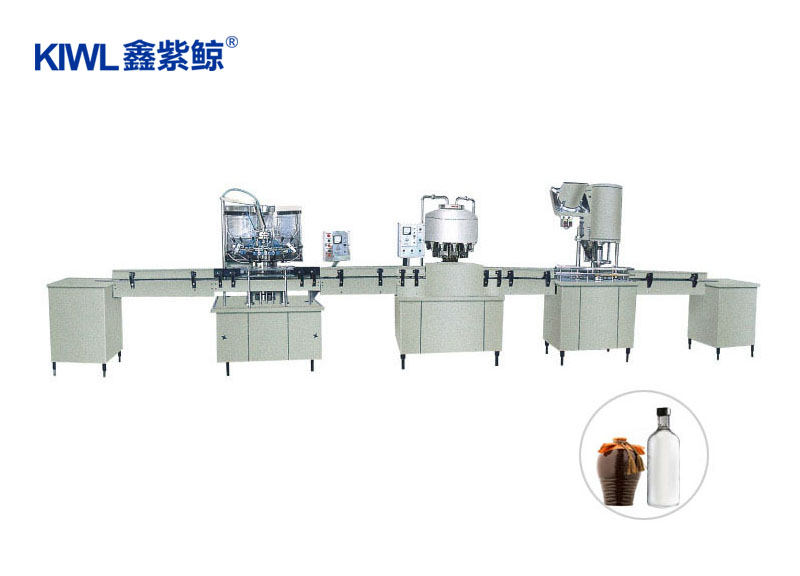
In the realm of industrial production, efficiency and precision are paramount. Three-in-one filling machinery stands as a testament to technological advancement, integrating three essential functions into a single apparatus: bottle rinsing, filling, and capping. This innovation not only streamlines the production process but also enhances overall operational efficiency and product quality.

Enhanced Operational Efficiency
One of the primary advantages of three-in-one filling machinery is its ability to significantly boost operational efficiency. Traditionally, these three processes—rinsing, filling, and capping—were carried out by separate machines, each requiring its own space, manpower, and time allocation. With the integration of these functions into a single unit, manufacturers can now achieve seamless automation and synchronization of tasks. This not only reduces the footprint of the production line but also minimizes the need for manual intervention, thereby lowering the chances of errors and increasing production output.
Improved Product Quality
Another compelling benefit of three-in-one filling machinery is its positive impact on product quality. By centralizing the entire filling process, from cleansing the bottles to securely capping them, the machinery ensures a controlled and sterile environment throughout. This is particularly crucial in industries such as pharmaceuticals, beverages, and cosmetics, where hygiene and precision are non-negotiable. Moreover, the consistency achieved through automation results in uniform fill levels and securely sealed products, meeting stringent quality standards and customer expectations.
Cost-effectiveness and Resource Optimization
From a financial perspective, investing in three-in-one filling machinery proves to be a prudent choice for manufacturers aiming to optimize resources and reduce operational costs. By eliminating the need for multiple machines and their associated maintenance, space, and labor costs, companies can achieve significant savings in the long run. Furthermore, the streamlined production process translates into quicker turnaround times, allowing businesses to meet market demands promptly and efficiently.
Conclusion
In conclusion, three-in-one filling machinery represents a pinnacle of innovation in industrial automation. By consolidating bottle rinsing, filling, and capping into a single efficient unit, it enhances operational efficiency, improves product quality, and optimizes resource utilization. This technological advancement not only meets the rigorous demands of modern production but also positions manufacturers competitively in their respective industries. Embracing this technology not only streamlines operations but also sets a benchmark for reliability and precision in manufacturing processes. As industries evolve, the adoption of such integrated solutions becomes not just beneficial but imperative for sustainable growth and success.