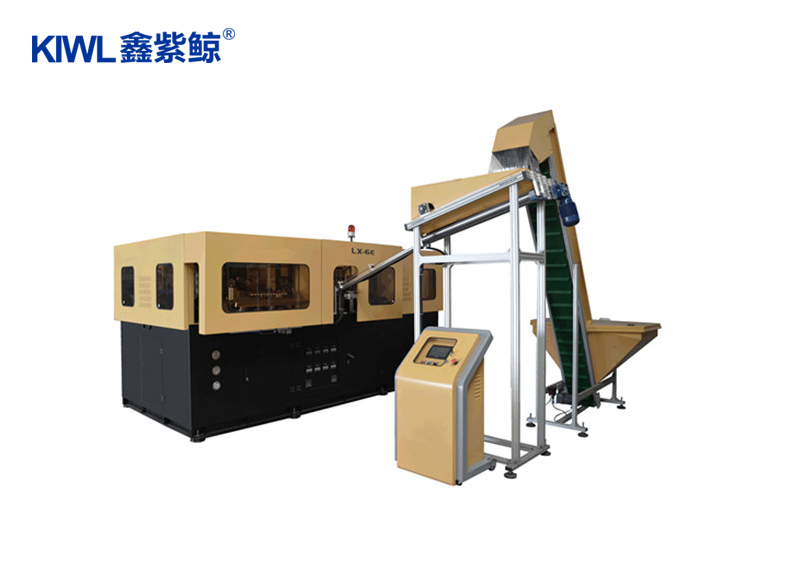
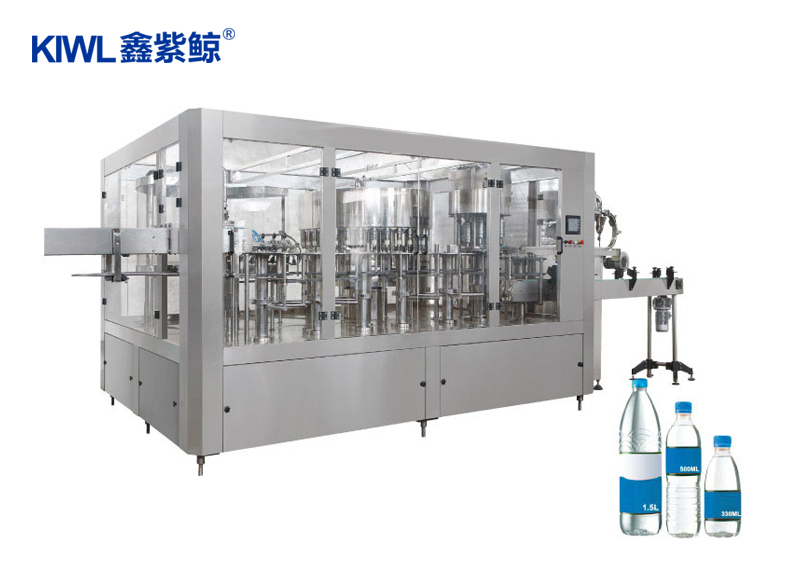
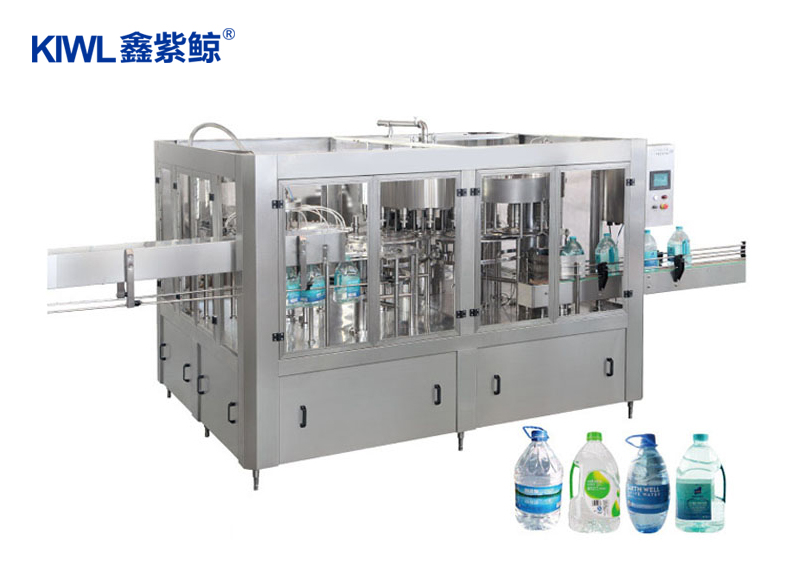
Simplified Operation Comparison of Three-in-One Filling Equipment
-
category
-
model number
-
specs
instructions
In the realm of industrial manufacturing, efficiency and ease of operation are crucial factors determining the success of production processes. Three-in-one filling equipment has emerged as a cornerstone technology, offering streamlined solutions for liquid filling, capping, and labeling within a single integrated system. This article explores the operational simplicity of three-in-one filling equipment, comparing various models to highlight their advantages in modern production environments.
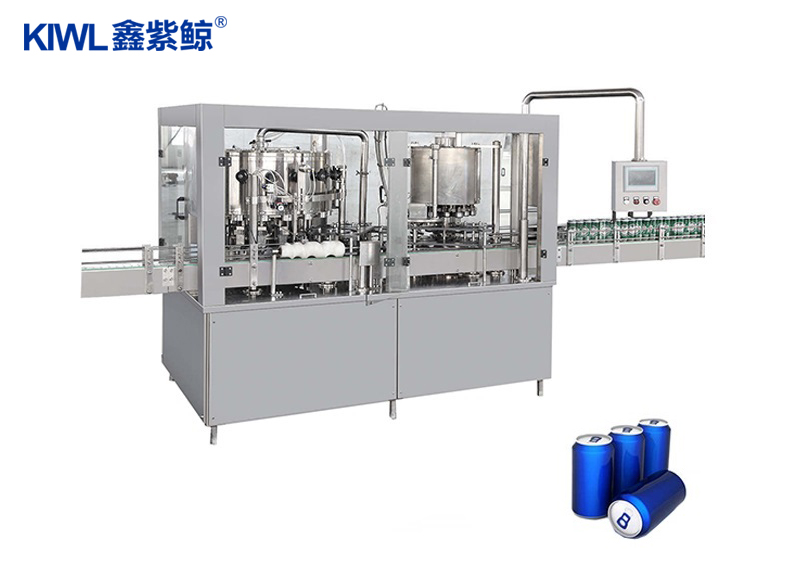
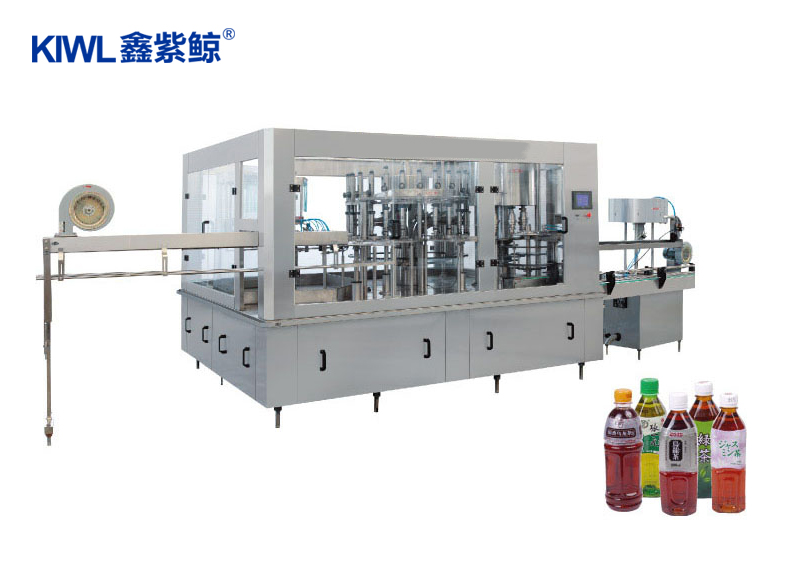
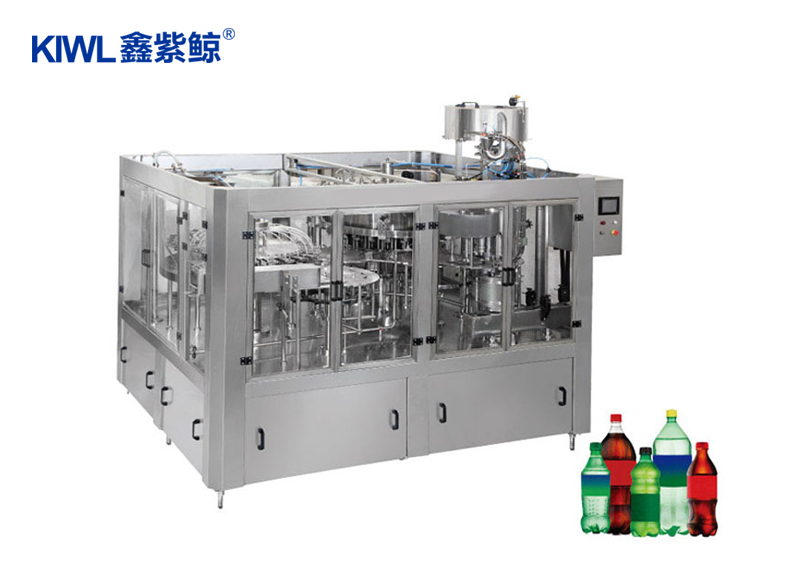
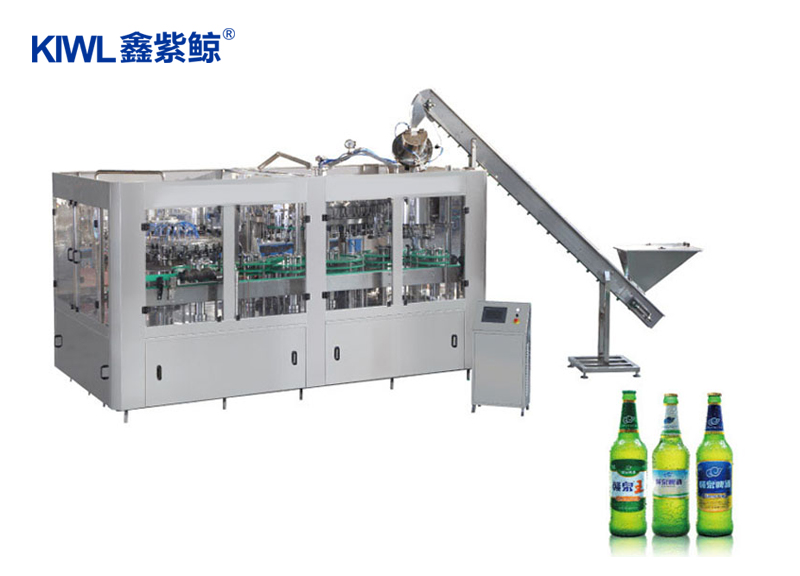
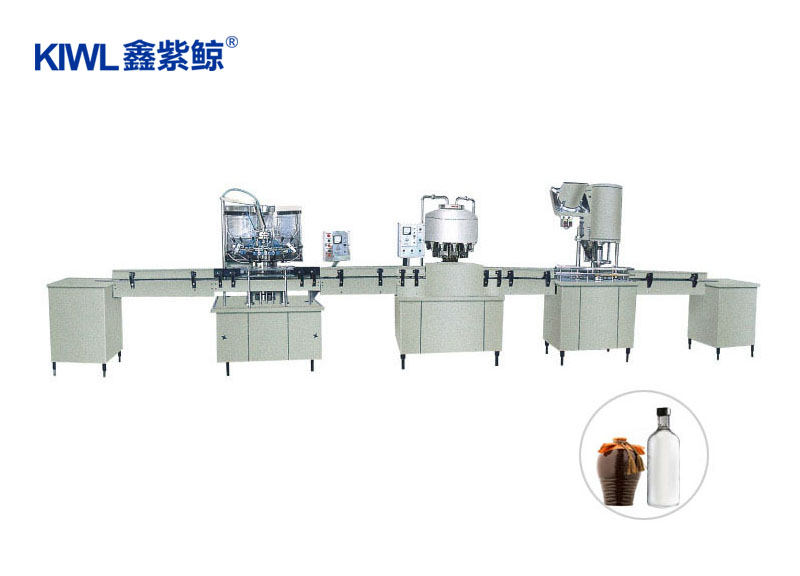
Three-in-one filling equipment stands out for its user-friendly design and multifunctional capabilities. Unlike traditional separate machines for filling, capping, and labeling, these integrated systems combine all three processes into a single unit, significantly reducing the floor space required and optimizing workflow efficiency. Operators benefit from simplified controls that centralize operation parameters, minimizing training time and operational errors.

Comparative Analysis of Operational Efficiency
When comparing different models of three-in-one filling equipment, key operational metrics come into play. Modern systems incorporate advanced PLC (Programmable Logic Controller) technology, allowing for precise control over filling volumes, capping torque, and labeling alignment. Touchscreen interfaces provide intuitive navigation through production cycles, offering real-time monitoring and adjustments at the fingertips of operators.
Integration and Automation Benefits
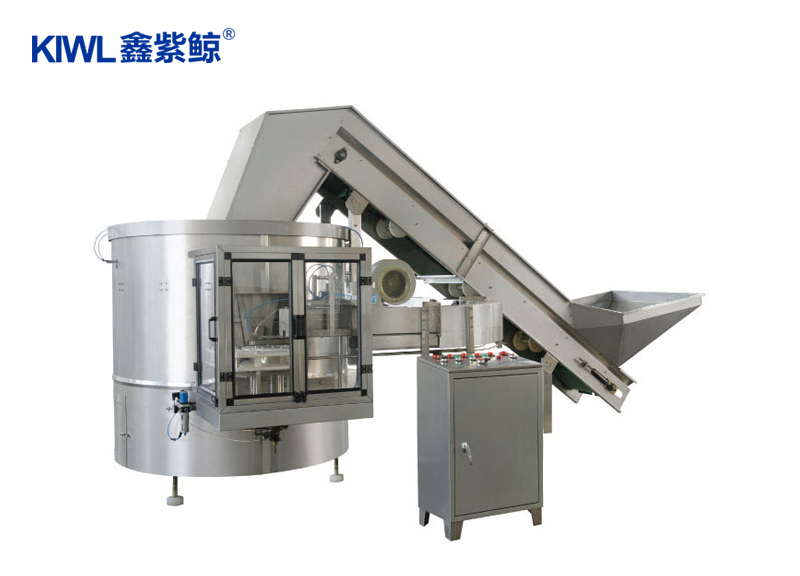
One of the standout features of three-in-one filling equipment is its seamless integration with upstream and downstream production processes. By automating filling, capping, and labeling tasks, manufacturers achieve higher throughput rates with consistent product quality. Integration with conveyor systems and bottle feeders further enhances efficiency by reducing manual handling and material waste.
Maintenance and Support Considerations
Beyond operational efficiency, manufacturers also appreciate the maintenance advantages of integrated systems. Three-in-one equipment often requires less upkeep compared to maintaining multiple standalone machines. Routine maintenance tasks such as cleaning, lubrication, and part replacement are centralized, simplifying the maintenance schedule and reducing overall downtime.
Conclusion
In conclusion, three-in-one filling equipment represents a significant advancement in industrial automation, offering unparalleled operational simplicity and efficiency. By consolidating filling, capping, and labeling functions into a single system, manufacturers benefit from reduced floor space requirements, streamlined workflows, and enhanced production outputs. The integration of advanced technologies like PLC controls and touchscreen interfaces further enhances usability, making these systems indispensable in modern manufacturing environments. As industries continue to prioritize efficiency and productivity, the adoption of three-in-one filling equipment stands out as a strategic investment for sustainable growth and competitive advantage.