Skills Summary for Operation of Three-in-One Filling Equipment
-
category
-
model number
-
specs
instructions
Operating a three-in-one filling equipment requires a blend of technical expertise and operational finesse to ensure efficient production and high-quality output. This article aims to provide a comprehensive overview of the essential skills needed to operate such equipment effectively.
Understanding Equipment Functionality
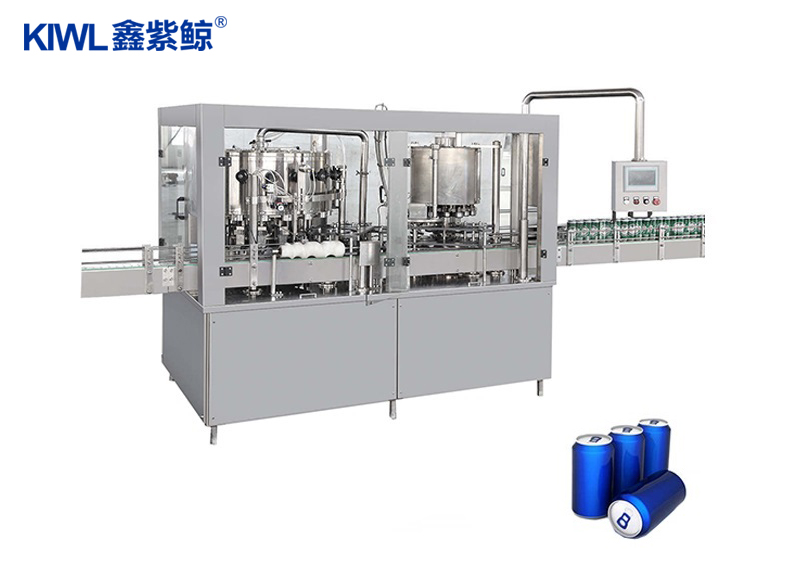
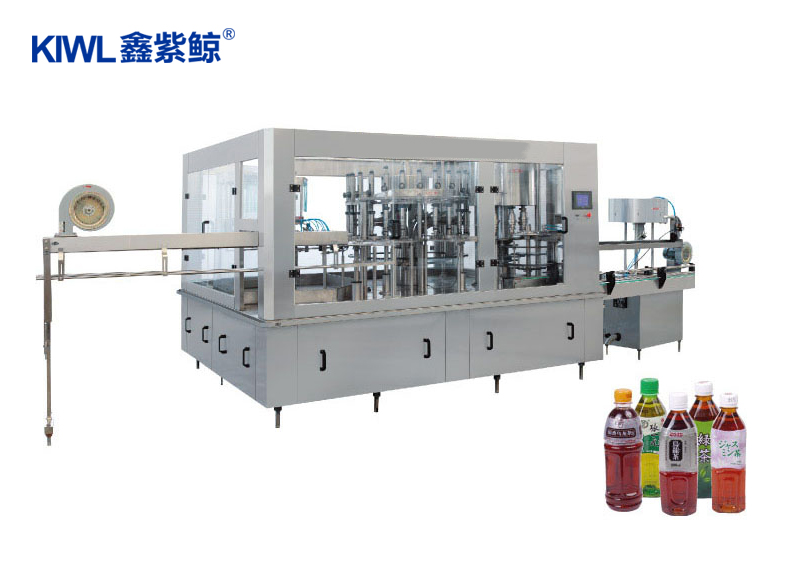
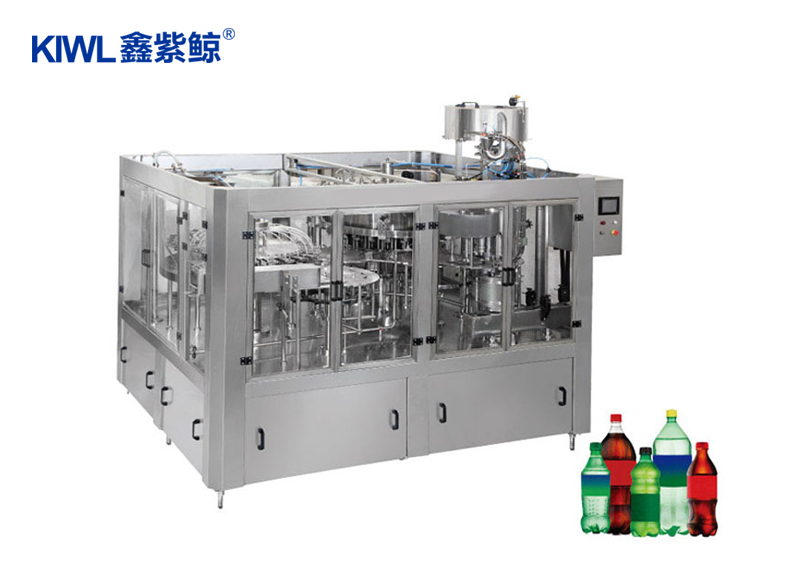
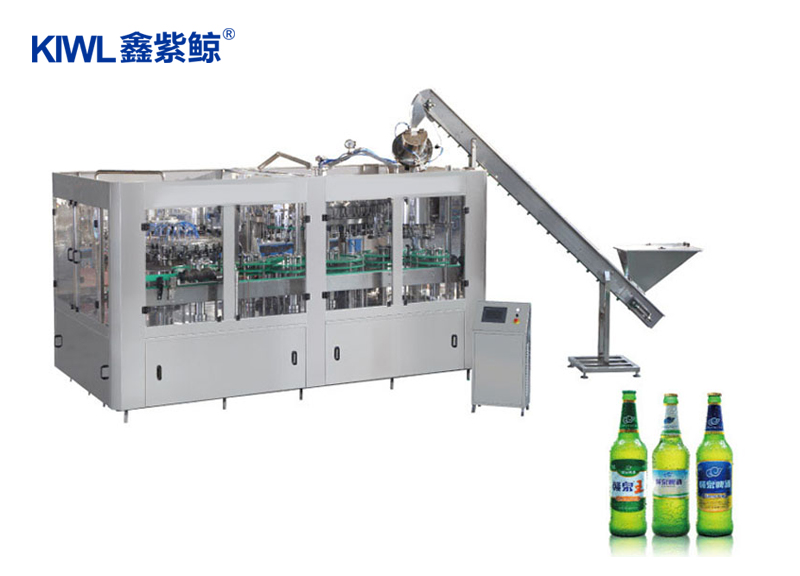
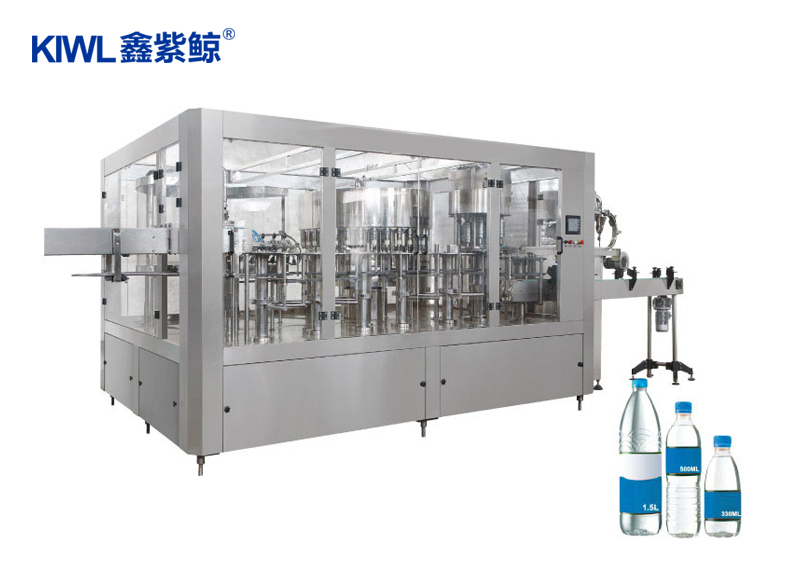
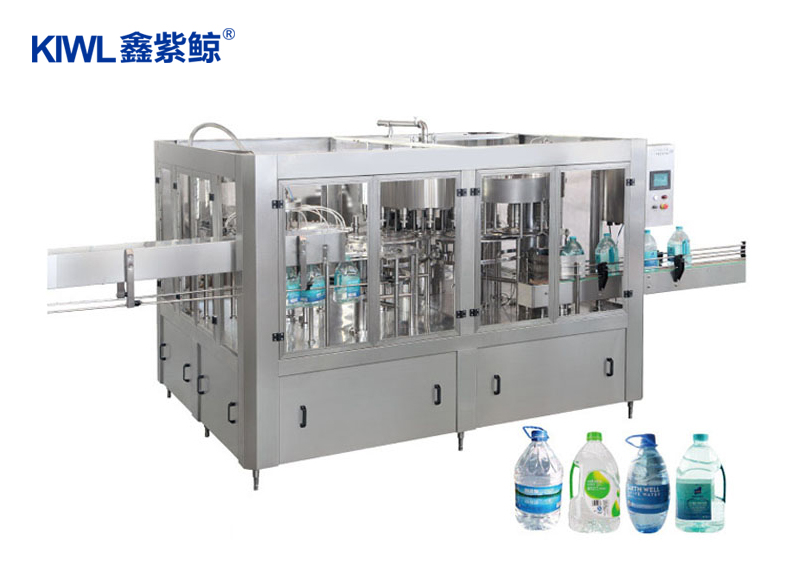
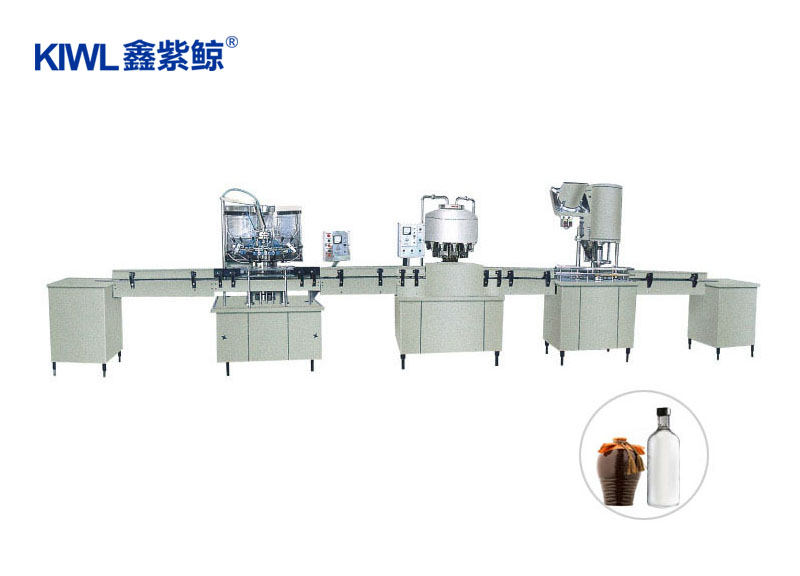
Before operating the three-in-one filling equipment, it is crucial to grasp its primary functionalities. This equipment integrates three key processes: rinsing, filling, and capping, all within a single system. Each stage plays a pivotal role in maintaining product integrity and hygiene standards throughout the filling process.

Rinsing Stage Mastery
The rinsing stage involves cleaning containers before filling to eliminate any impurities that could compromise product quality. Operators must ensure that the rinsing nozzles are correctly adjusted to match container specifications. Additionally, understanding the optimal water pressure and chemical concentrations for different types of containers is essential to achieve thorough cleaning without damaging packaging materials.
Precise Filling Techniques
Achieving accurate filling volumes is critical for product consistency and customer satisfaction. Operators must calibrate the filling valves precisely to dispense the correct amount of product into each container. Factors such as viscosity, temperature, and container size influence the filling process and require adjustments to maintain precision. Regular monitoring and adjustments during operation ensure that fill levels meet specifications and minimize product wastage.
Effective Capping Practices
Capping secures product integrity and prevents contamination post-filling. The equipment's capping heads must be set to apply sufficient torque without overtightening, which could damage containers or lids. Understanding different cap types and ensuring compatibility with the equipment are essential for smooth operation. Regular inspection of capping heads and adjustments based on product and container variations help maintain seal integrity throughout production.
Conclusion
Operating a three-in-one filling equipment demands a blend of technical knowledge, operational skill, and attention to detail. Mastery of rinsing, filling, and capping processes ensures consistent product quality and operational efficiency. By understanding equipment functionalities and adhering to precise techniques, operators can uphold high standards of production while meeting customer demands effectively. Continuous training and adaptation to technological advancements further enhance operational capabilities, making the three-in-one filling equipment a cornerstone in modern manufacturing processes.
By structuring the article with informative headings and relevant content, it aims to enhance visibility on search engines like Google, catering to users seeking insights into optimizing three-in-one filling equipment operations.