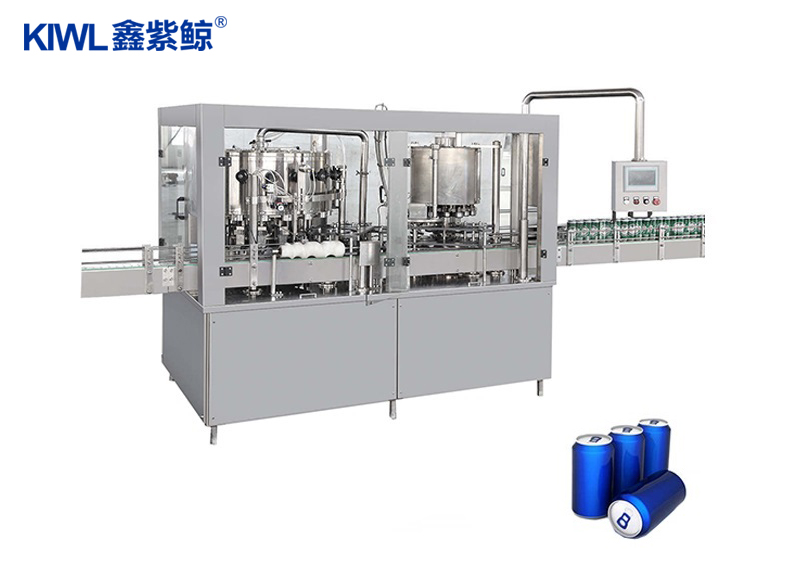
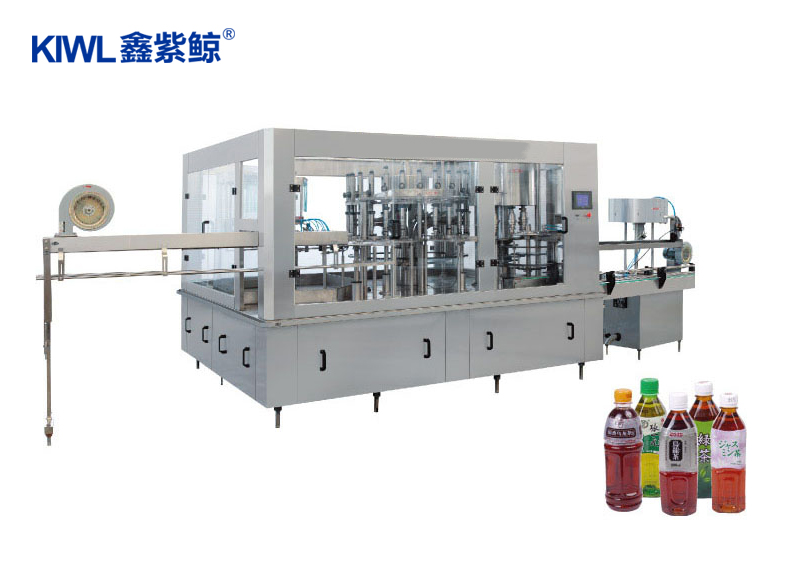
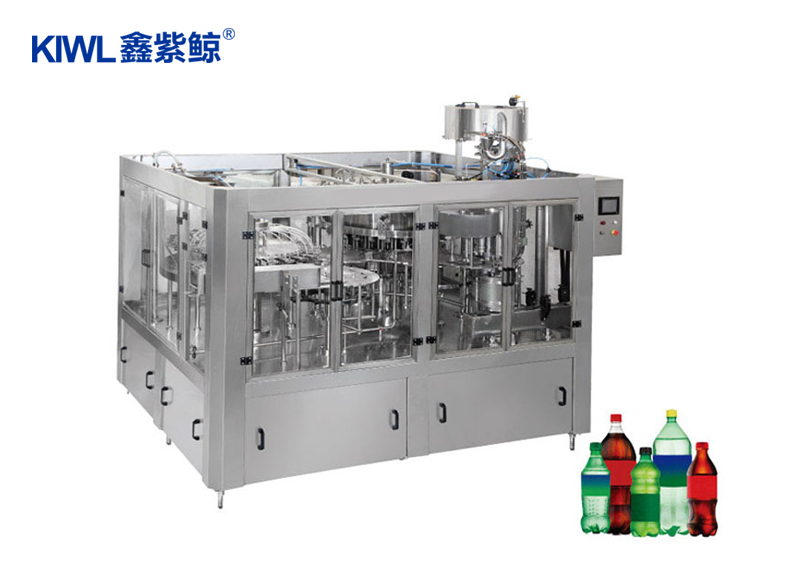
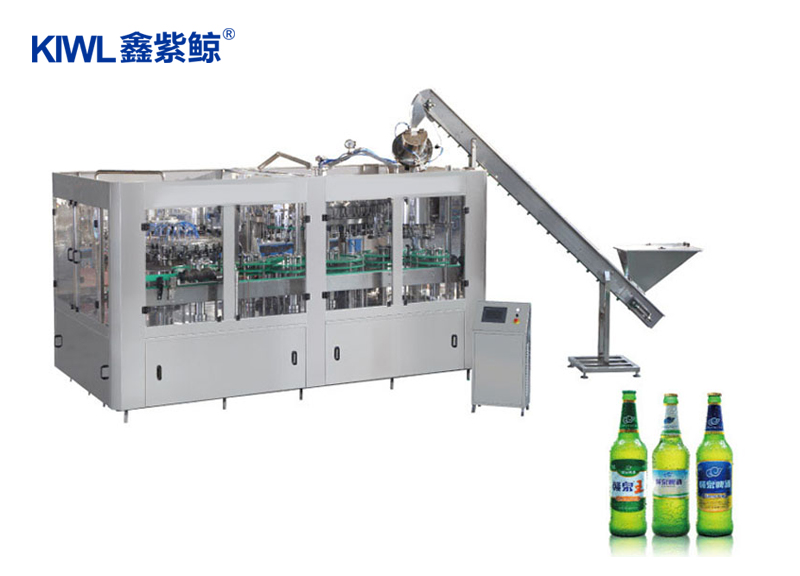
Three-in-One Filling Equipment Safety Inspection
-
category
-
model number
-
specs
instructions
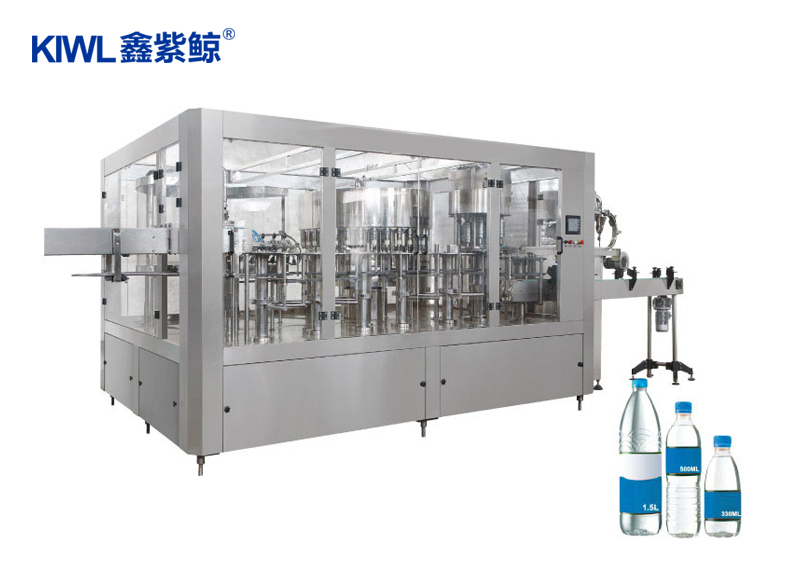
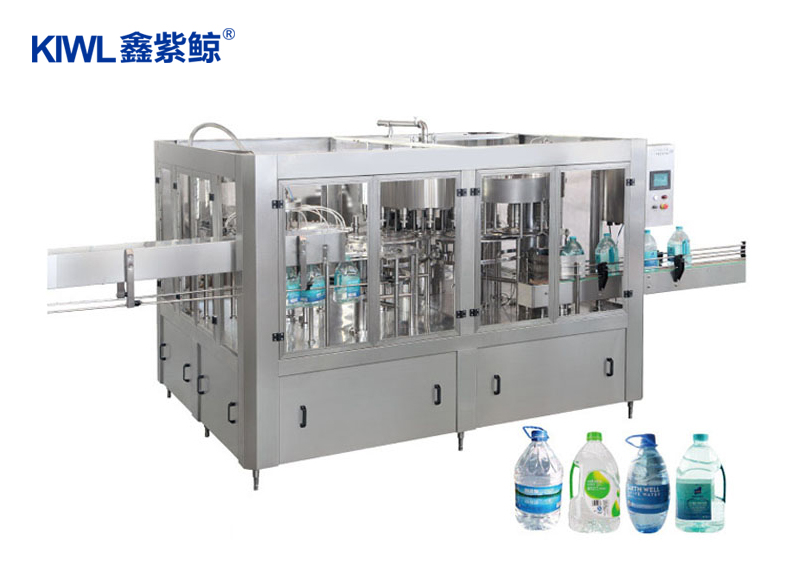
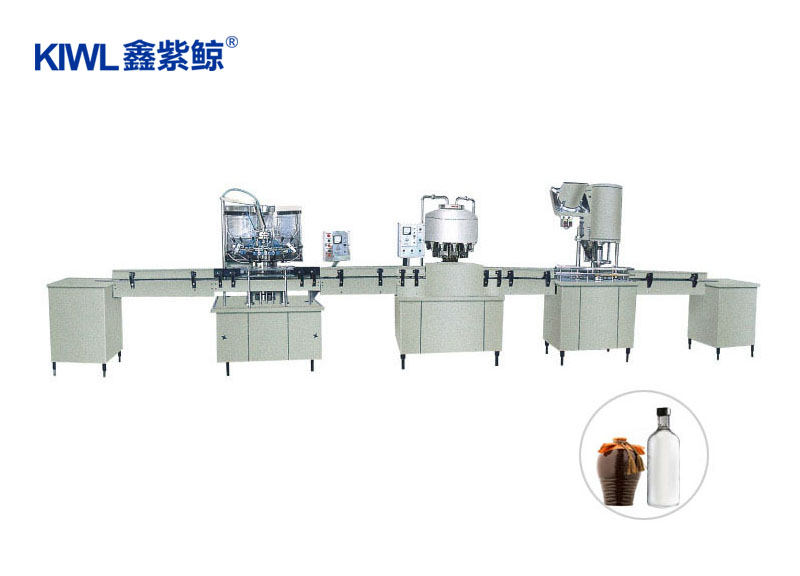
In the realm of industrial production, ensuring the safety and reliability of equipment is paramount. This principle holds especially true for three-in-one filling equipment, which integrates rinsing, filling, and capping processes into a seamless operation. Proper safety inspections not only enhance operational efficiency but also mitigate risks associated with malfunction or breakdown.
Three-in-one filling equipment undergoes rigorous safety checks to guarantee optimal performance and workplace safety. These inspections encompass various aspects, including mechanical integrity, electrical systems, and operational controls. Each component must be meticulously examined to detect any potential issues that could compromise the equipment's functionality or pose hazards to operators.
Mechanical Integrity
The mechanical components of three-in-one filling equipment are subjected to thorough inspections to verify their structural integrity and operational efficiency. This includes examining conveyor systems, rotary mechanisms, and sealing units. Any signs of wear and tear are addressed promptly to prevent operational disruptions or safety hazards.
Electrical Systems
Ensuring the safety of electrical systems is crucial to prevent electrical hazards and equipment malfunctions. Inspections involve checking wiring, circuit breakers, and control panels for signs of overheating, loose connections, or corrosion. Compliance with electrical codes and standards is strictly adhered to during these inspections to mitigate the risk of electrical failures.
Operational Controls
Operational controls are scrutinized to verify their functionality and responsiveness. This includes testing automated sequences, emergency stop mechanisms, and programmable logic controllers (PLCs). Calibration of sensors and actuators is also conducted to ensure accurate operation during the filling, capping, and labeling processes.
In conclusion, conducting comprehensive safety inspections for three-in-one filling equipment is indispensable for maintaining operational reliability and safeguarding personnel. By adhering to stringent inspection protocols covering mechanical integrity, electrical systems, and operational controls, manufacturers and operators can mitigate risks effectively. Emphasizing safety not only enhances production efficiency but also promotes a secure working environment conducive to long-term success in industrial operations.