Understanding the Operational Costs of Three-in-One Filling Machines
-
category
-
model number
-
specs
instructions
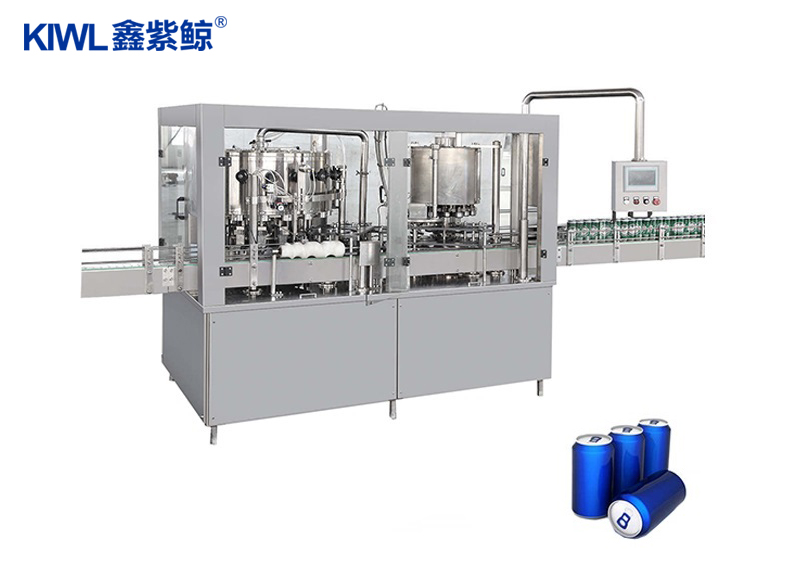
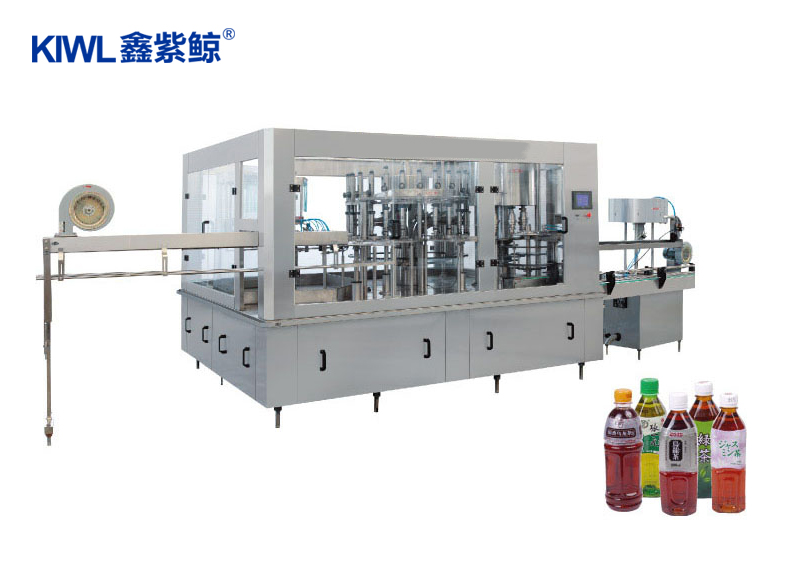
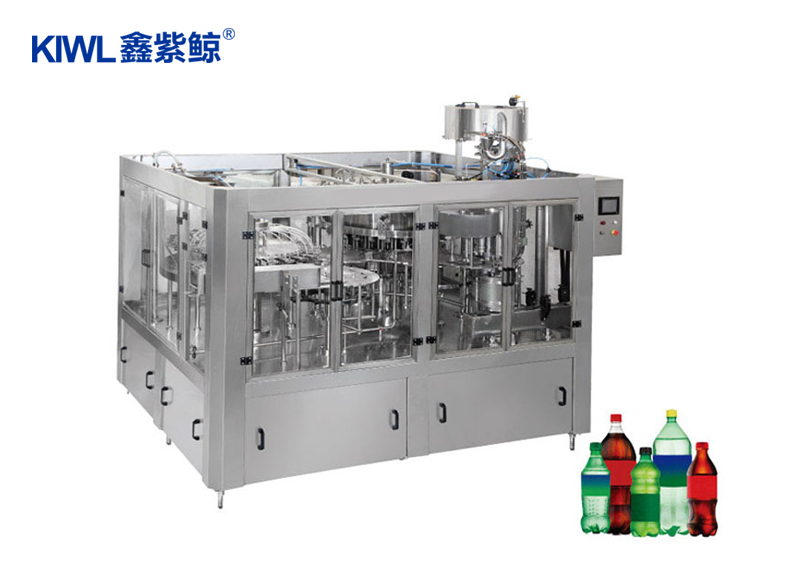
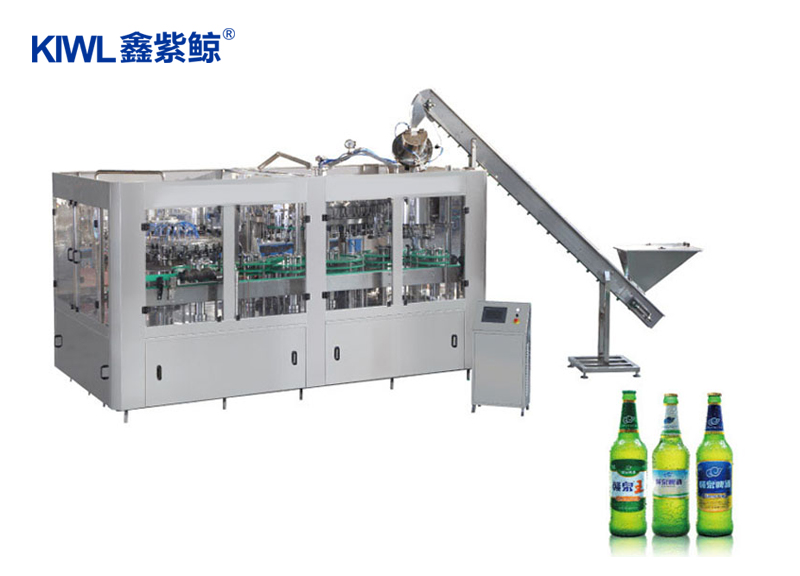
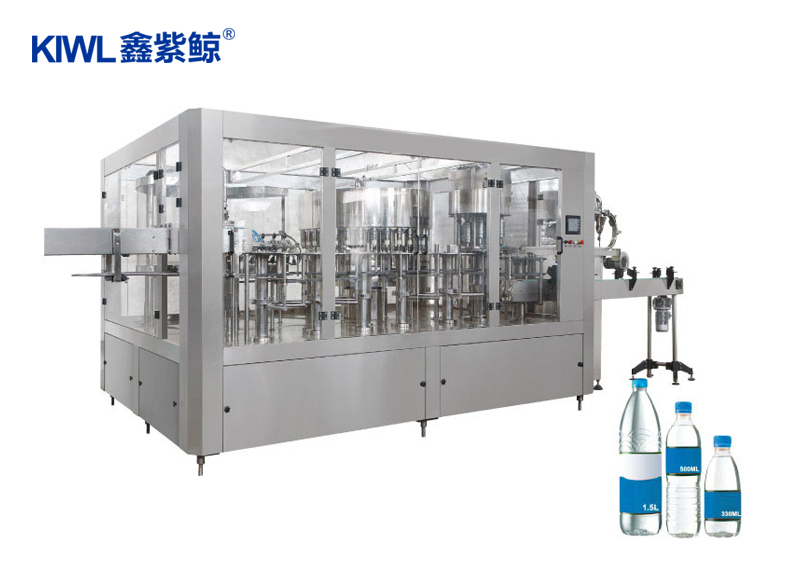
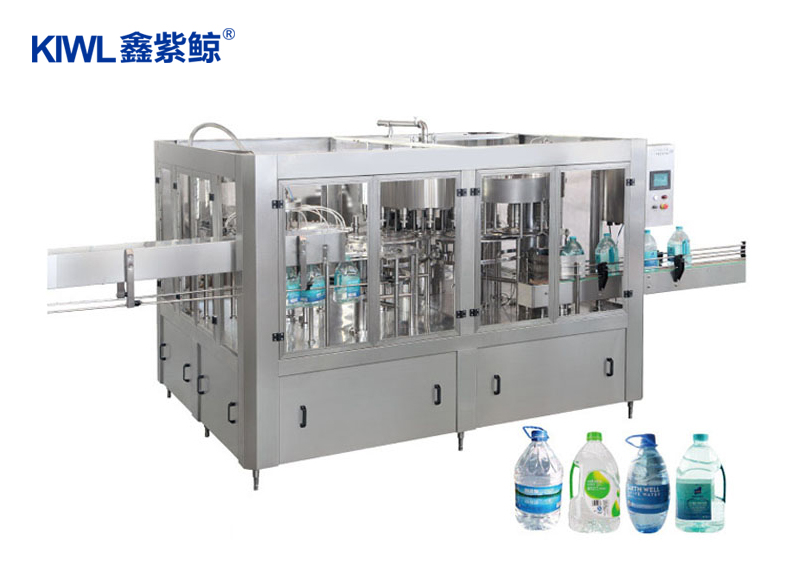
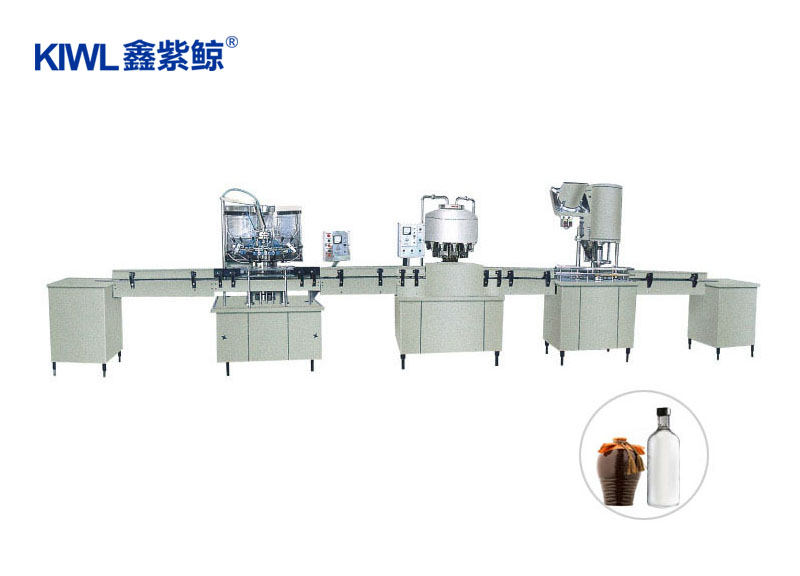
Three-in-one filling machines play a crucial role in various industries by efficiently combining the functions of bottle rinsing, filling, and capping into a single automated process. This integration not only enhances productivity but also impacts the overall operational costs involved. Understanding these costs is essential for businesses looking to optimize their production processes while maintaining profitability.

Initial Investment and Equipment Costs
The initial capital outlay for a three-in-one filling machine can vary significantly based on factors such as capacity, speed, and additional features. Higher-capacity machines capable of processing more units per hour generally come with a higher upfront cost. However, investing in a machine that aligns with production needs helps in achieving economies of scale and reducing long-term operational costs.
Operational Efficiency and Labor Costs
One of the primary advantages of three-in-one filling machines is their ability to streamline the production process, thereby reducing the need for manual labor. By automating bottle rinsing, filling, and capping, these machines minimize human intervention and potential errors. This automation not only improves efficiency but also lowers labor costs associated with manual handling and supervision.
Maintenance and Downtime Expenses
Ensuring optimal performance of a three-in-one filling machine requires regular maintenance and occasional repairs. Manufacturers often provide maintenance schedules and guidelines to prevent breakdowns and reduce downtime. While maintenance costs are an ongoing consideration, proactive upkeep can extend the machine's lifespan and prevent costly repairs. Downtime, especially in high-volume production environments, can lead to significant revenue loss, making preventive maintenance crucial.
Conclusion
In conclusion, while the initial investment in a three-in-one filling machine may seem substantial, the long-term benefits outweigh the costs. These machines not only enhance operational efficiency and reduce labor expenses but also contribute to overall cost savings through minimized downtime and maintenance. Businesses seeking to improve productivity and profitability in their production processes should carefully evaluate the operational costs and benefits associated with three-in-one filling machines. By doing so, they can make informed decisions that support sustainable growth and competitiveness in their respective industries.