Common Questions and Answers About Three-in-One Filling Equipment
-
category
-
model number
-
specs
instructions
In the realm of industrial manufacturing, three-in-one filling equipment plays a pivotal role in streamlining production processes across various sectors. However, like any complex machinery, it comes with its set of common questions and concerns. Below, we address some of these queries to provide clarity and insights into this essential equipment.
What is Three-in-One Filling Equipment?
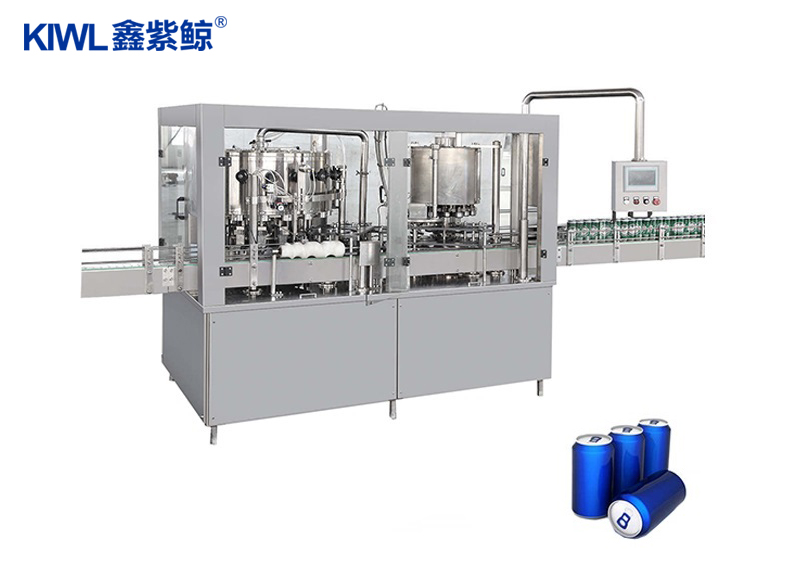
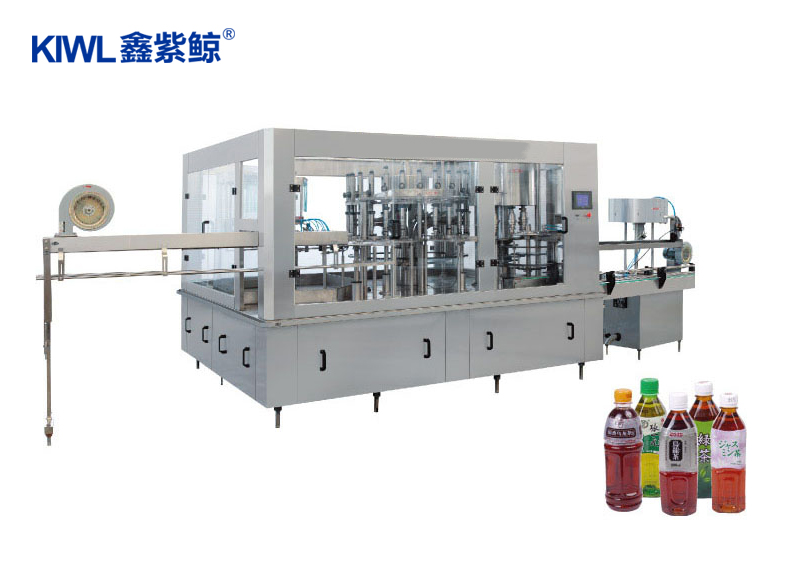
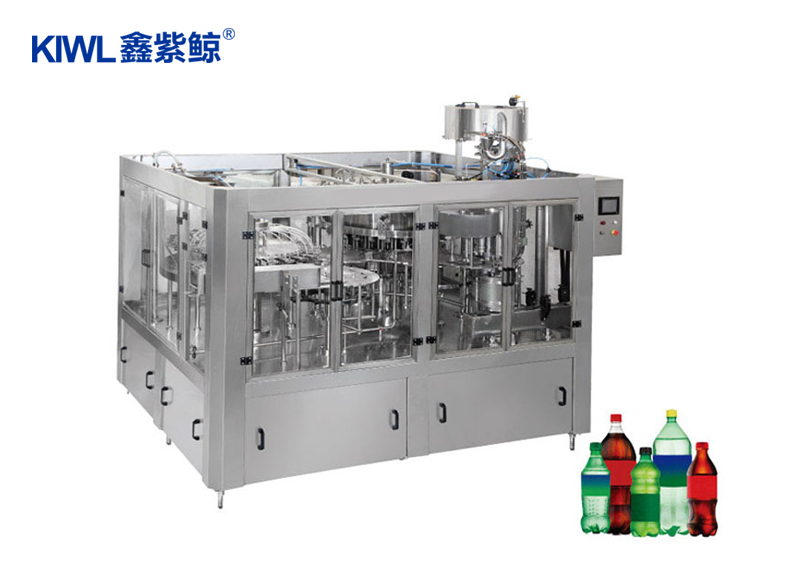
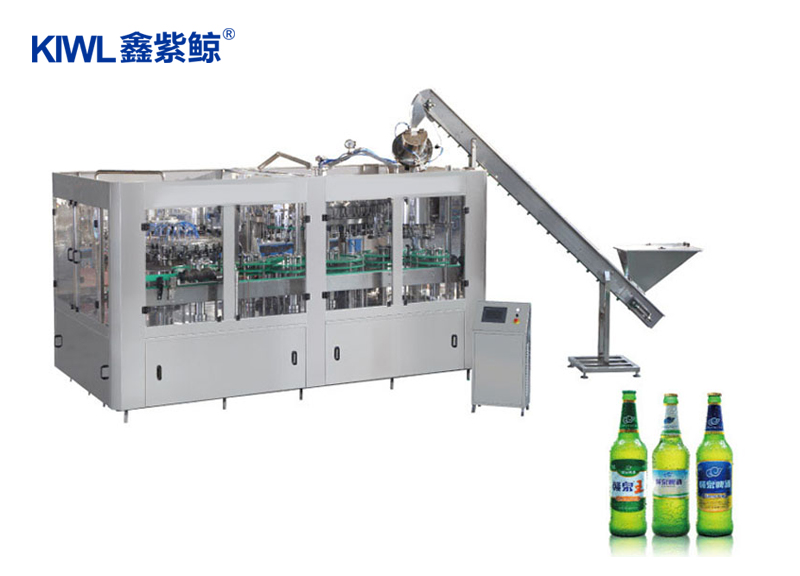
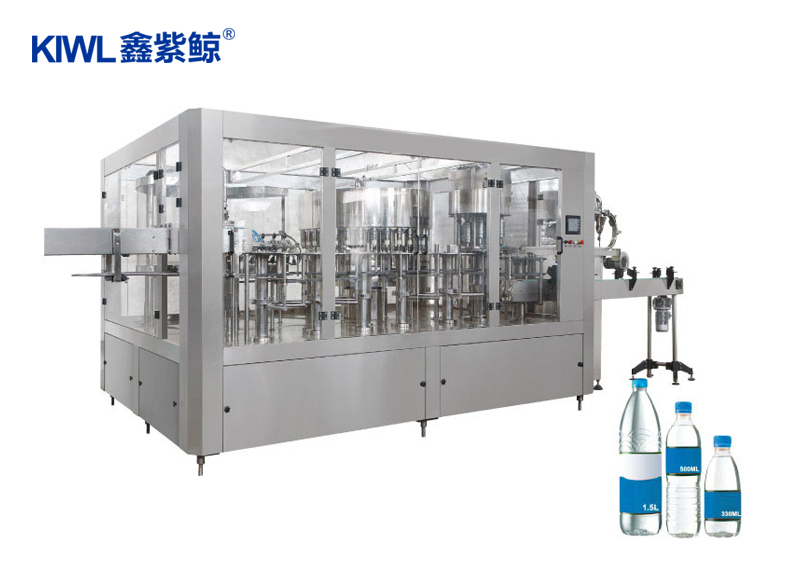
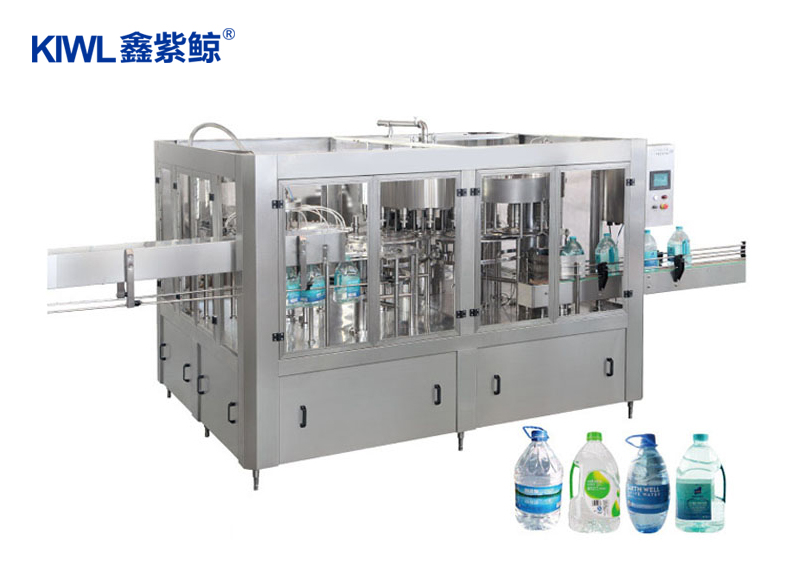
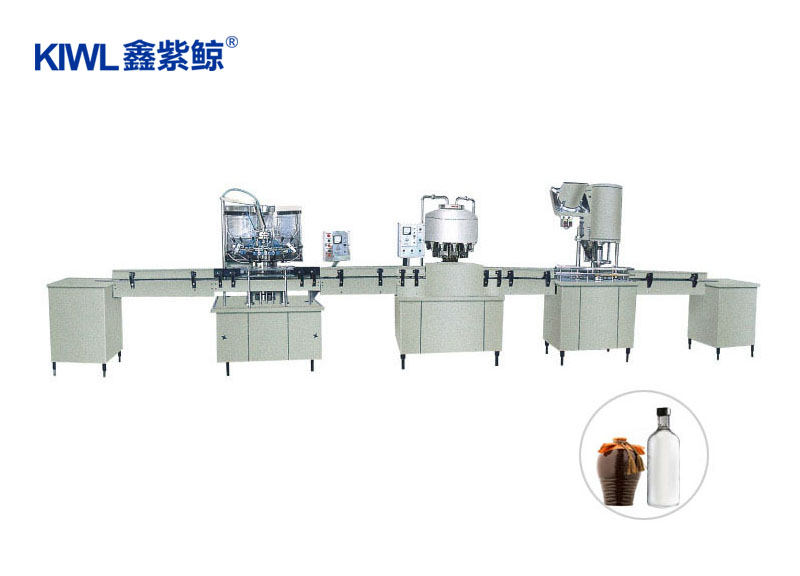
Three-in-one filling equipment integrates the functions of bottle rinsing, liquid filling, and capping into a single system. This integration optimizes efficiency by reducing the need for multiple machines and minimizing production line footprint. It is particularly beneficial in industries such as beverage production, pharmaceuticals, and cosmetics, where precise and hygienic filling processes are critical.

How Does Three-in-One Filling Equipment Work?
The operation of three-in-one filling equipment begins with bottle feeding, followed by a series of steps:
1. Bottle Rinsing: Empty bottles are inverted and rinsed with sterilized water or disinfectant to ensure cleanliness.
2. Liquid Filling: The cleaned bottles move to the filling station where precise amounts of liquid are dispensed. This process is typically controlled by sensors to maintain accuracy.
3. Capping: After filling, bottles are capped to seal the contents securely. Different capping mechanisms can be employed based on the type of bottle and cap.
What Are the Advantages of Using Three-in-One Filling Equipment?
The adoption of three-in-one filling equipment offers several advantages:
- Increased Efficiency: Combining three functions into one system reduces production time and labor costs.
- Improved Hygiene: Automated rinsing and filling processes enhance product safety and quality by minimizing human contact.
- Space Optimization: Consolidating multiple machines into a single unit saves valuable floor space, making it suitable for both large-scale factories and smaller production facilities.
Conclusion
In conclusion, three-in-one filling equipment represents a significant advancement in industrial manufacturing, offering streamlined operations, enhanced hygiene standards, and space efficiency. By addressing common questions and providing clear explanations of its functions and benefits, this article aims to demystify this essential piece of equipment for manufacturers looking to optimize their production processes. Whether in beverage production, pharmaceuticals, or cosmetics, the versatility and efficiency of three-in-one filling equipment continue to make it a cornerstone of modern manufacturing practices.