Enhancing Production Efficiency with Three-in-One Filling Equipment
-
category
-
model number
-
specs
instructions
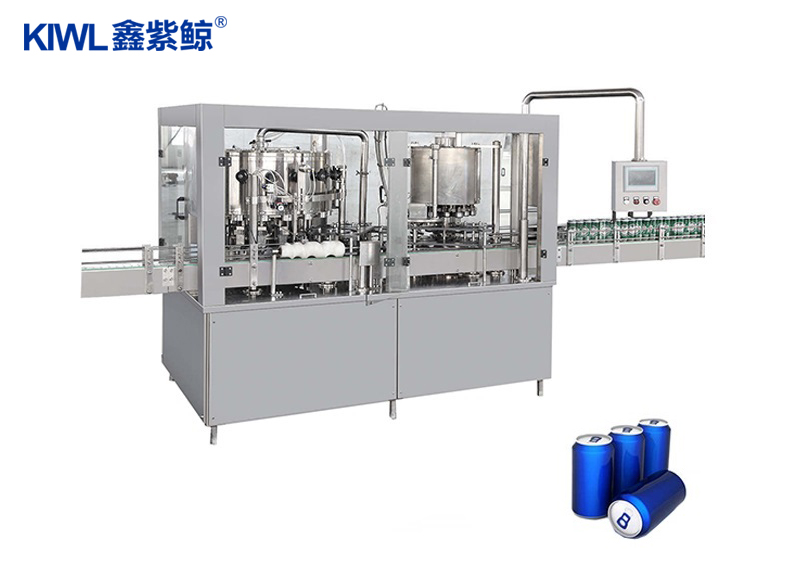
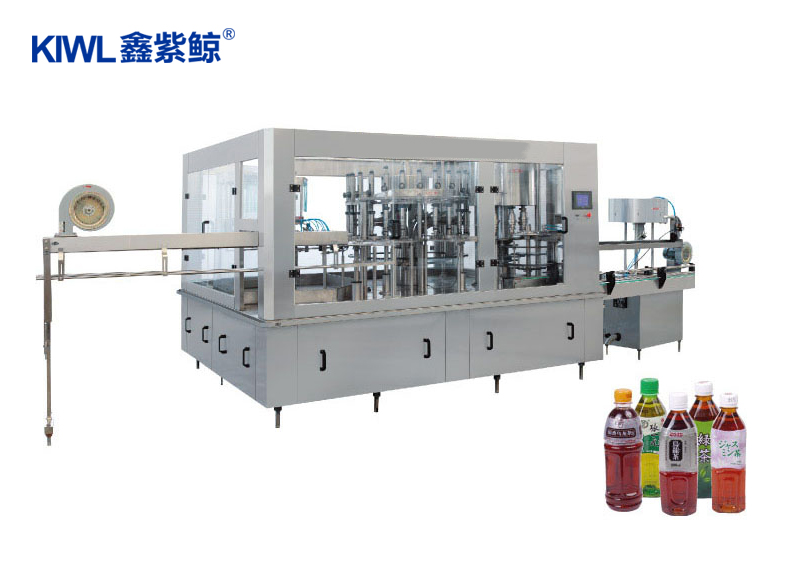
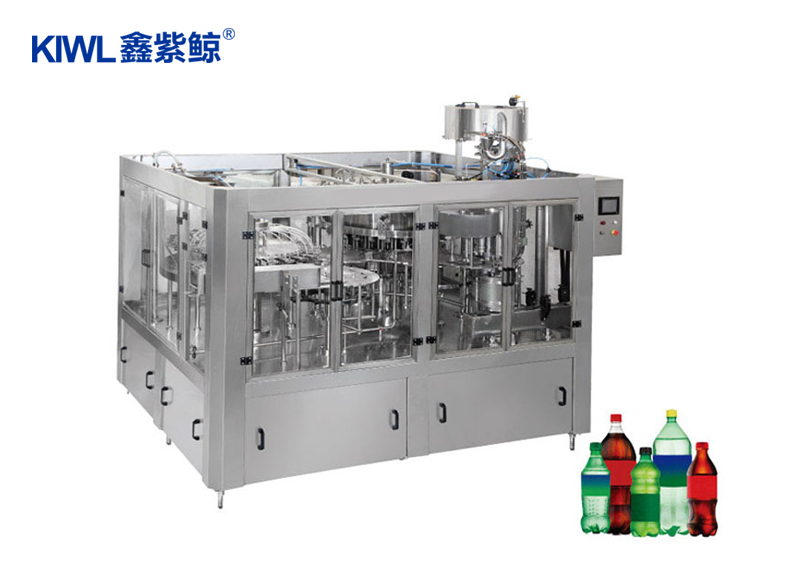
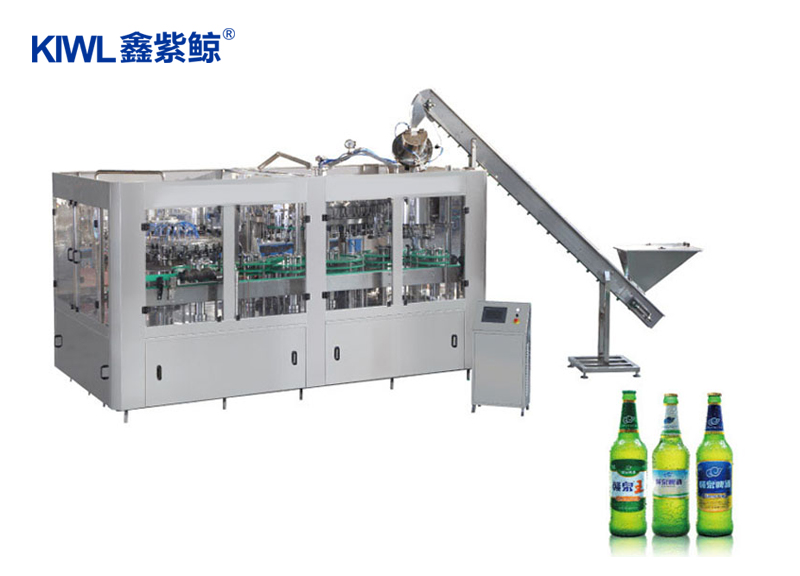
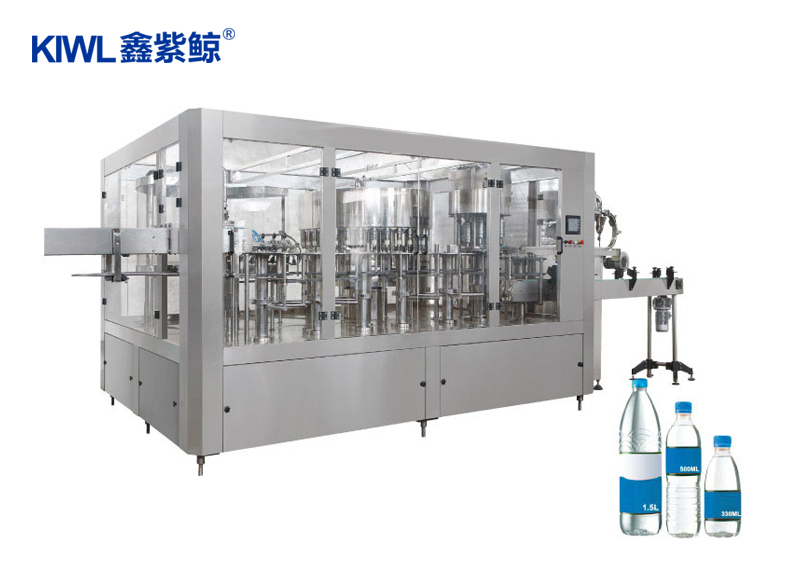
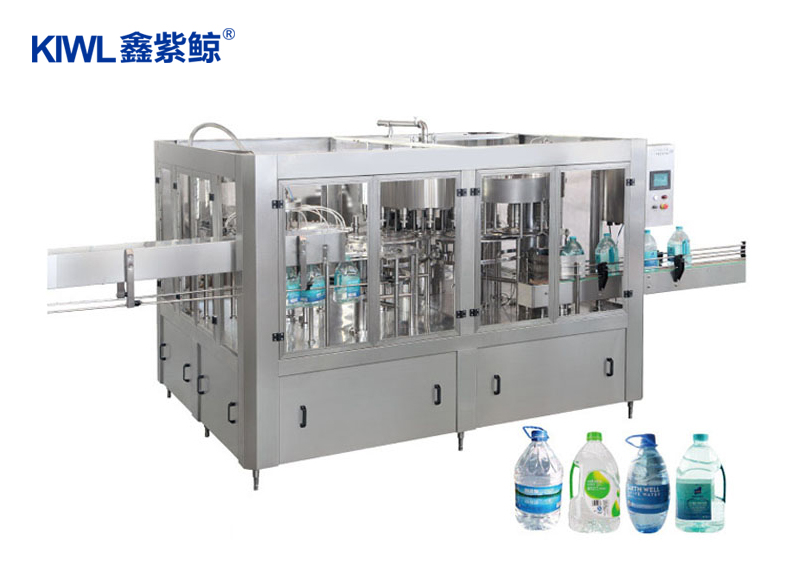
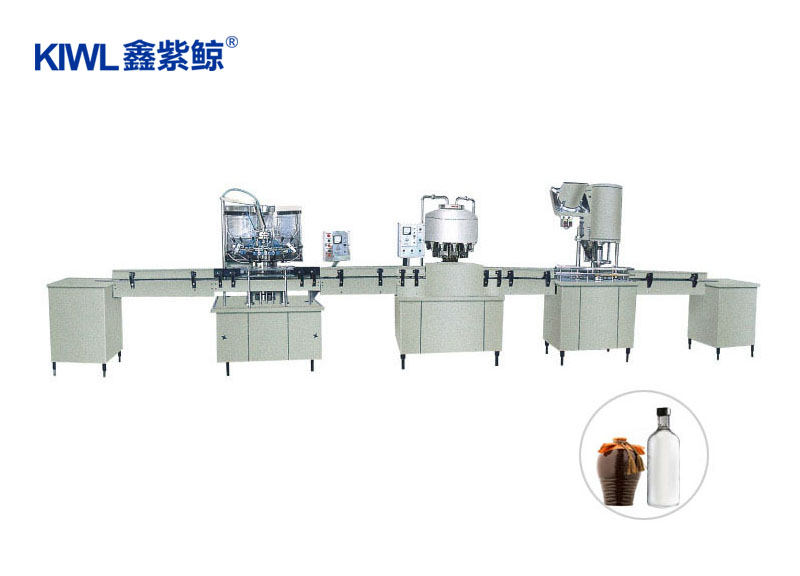
In the realm of industrial manufacturing, efficiency is paramount. This is particularly true in sectors reliant on precise and rapid production processes, such as beverage and pharmaceutical industries. The implementation of three-in-one filling equipment has revolutionized production lines, offering a streamlined approach that integrates washing, filling, and capping into a single automated system. This innovation not only accelerates production but also enhances product quality and consistency.

Integration of Processes
The key advantage of three-in-one filling equipment lies in its ability to integrate multiple production stages seamlessly. Traditionally, these stages—bottle washing, liquid filling, and capping—were handled by separate machines, each requiring manual intervention and increasing the risk of errors. By consolidating these functions into a single system, manufacturers can significantly reduce downtime associated with line changeovers and maintenance.
Operational Efficiency
Operational efficiency is another major benefit offered by three-in-one filling equipment. With fewer machines to operate and maintain, labor costs are minimized while productivity is maximized. Operators can oversee the entire production process from a centralized control panel, ensuring smooth operation and rapid adjustments as needed. This centralized control also facilitates real-time monitoring of production metrics, allowing for proactive maintenance and optimization of production schedules.
Quality and Consistency
Ensuring product quality and consistency is crucial in industries where consumer safety and satisfaction are paramount. Three-in-one filling equipment achieves this by standardizing the production process. Each bottle undergoes the same rigorous cleaning, filling, and sealing procedures, minimizing variation and reducing the risk of contamination. This consistency not only meets regulatory standards but also enhances brand reputation for reliability and quality.
Conclusion
In conclusion, the adoption of three-in-one filling equipment represents a significant leap forward in manufacturing efficiency and product quality. By integrating washing, filling, and capping processes into a single automated system, manufacturers can achieve higher productivity, lower operating costs, and improved product consistency. As industries continue to evolve towards more efficient production practices, the role of innovative technologies like three-in-one filling equipment becomes increasingly pivotal in maintaining competitive advantage and meeting consumer demands.