Three-in-One Filling Equipment: Trends in Development
-
category
-
model number
-
specs
instructions
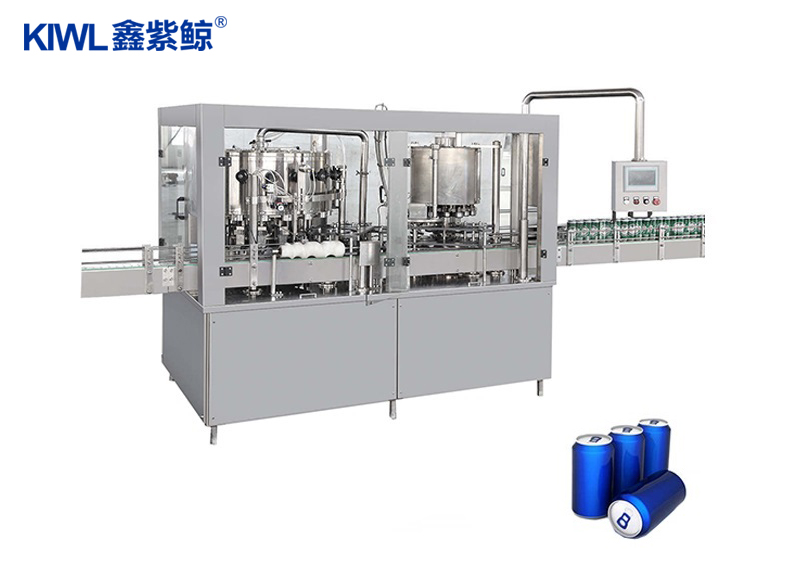
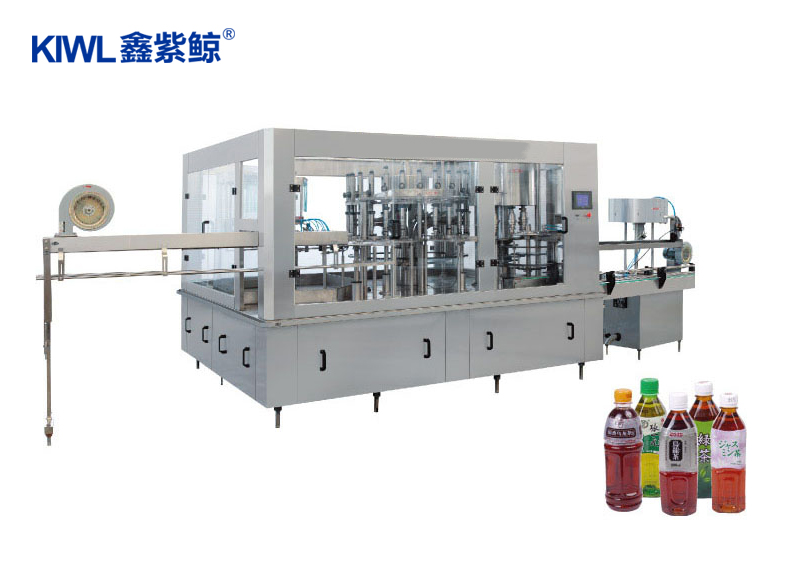
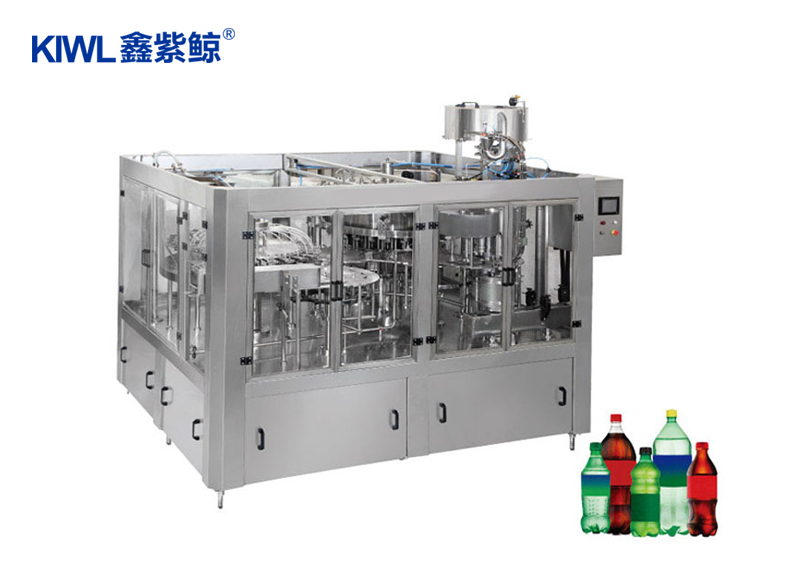
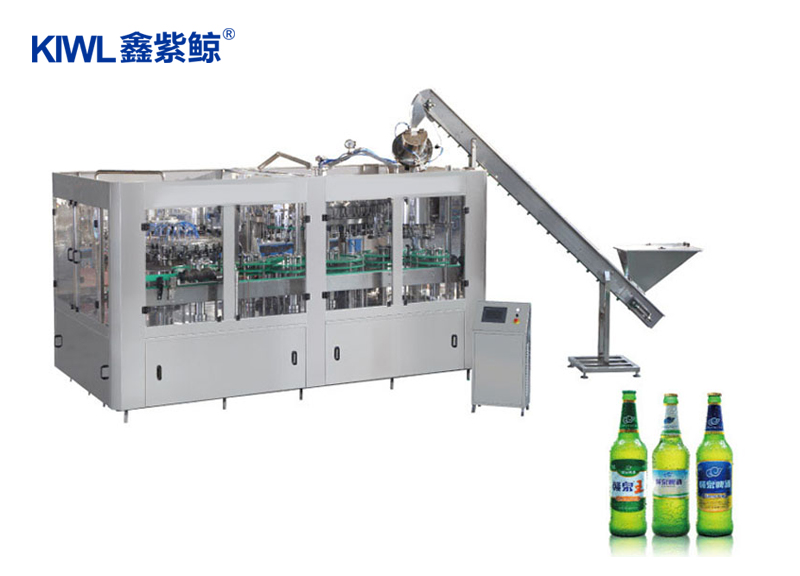
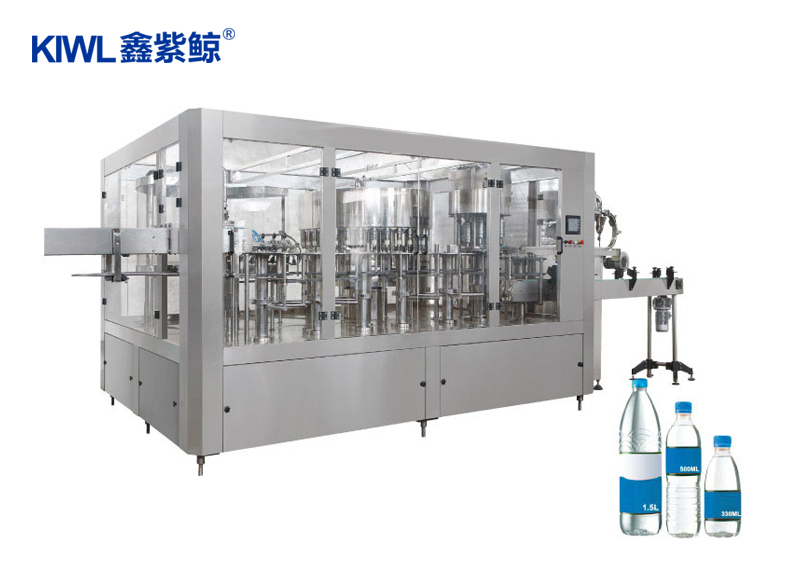
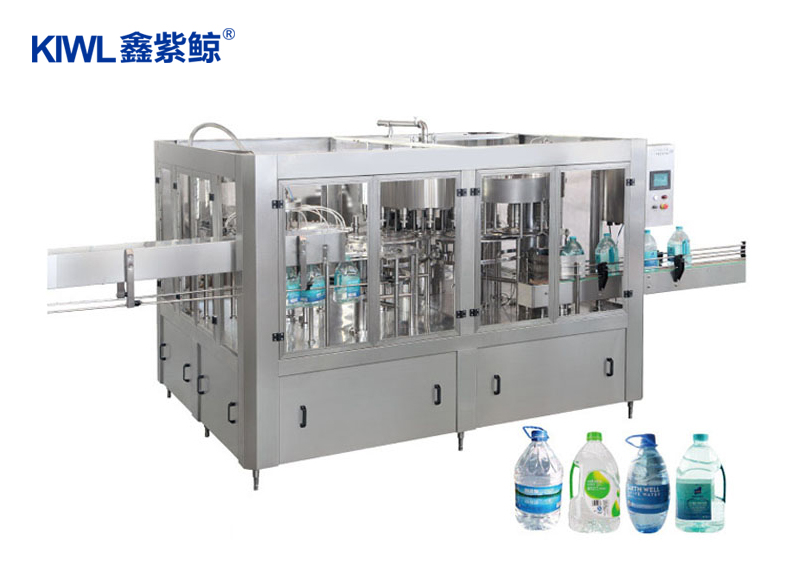
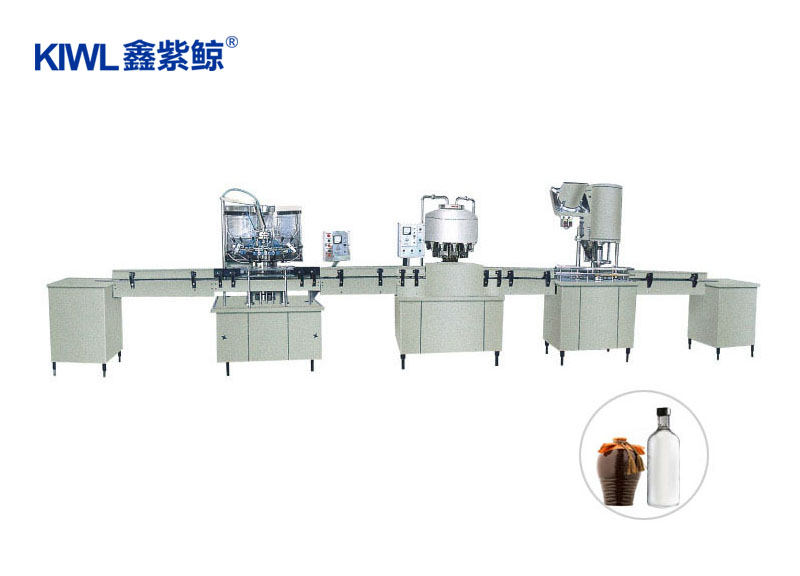
In the ever-evolving landscape of industrial machinery, the three-in-one filling equipment stands as a testament to efficiency and innovation. This specialized machinery integrates the processes of bottle rinsing, filling, and capping into a single streamlined system. Its development trends reflect both technological advancements and the evolving demands of various industries worldwide.
Technological Advancements Driving Innovation
Technological advancements have been pivotal in shaping the evolution of three-in-one filling equipment. Initially designed to automate and accelerate the bottling process, modern systems are now equipped with state-of-the-art sensors, actuators, and control systems. These technologies ensure precision in filling volumes, consistency in product quality, and adaptability to different bottle sizes and shapes. Manufacturers are increasingly focusing on integrating IoT (Internet of Things) capabilities, allowing for remote monitoring, predictive maintenance, and real-time data analytics. This not only enhances operational efficiency but also reduces downtime and operational costs significantly.

Industry-specific Customizations
Another prominent trend in the development of three-in-one filling equipment is the customization to meet industry-specific requirements. Whether in the beverage, pharmaceutical, cosmetics, or chemical industries, manufacturers are tailoring these systems to handle diverse products with varying viscosities, foaming tendencies, and sterilization needs. Flexible configurations allow for the integration of additional functionalities such as nitrogen dosing, vacuum filling, or hot filling, depending on the product characteristics and production environment. This adaptability not only enhances product quality but also ensures compliance with stringent industry regulations and standards.
Sustainability and Eco-friendly Solutions
In recent years, sustainability has become a driving force behind innovation in filling equipment design. Manufacturers are increasingly incorporating eco-friendly features such as energy-efficient components, reduced water consumption during rinsing processes, and materials that are easier to recycle. Advanced filtration systems minimize product wastage and ensure that only high-quality products reach the market. Moreover, the modular design of these machines facilitates easier upgrades and expansions, prolonging their operational lifespan and reducing the environmental impact of manufacturing processes.
Conclusion
In conclusion, the evolution of three-in-one filling equipment exemplifies the intersection of technology, customization, and sustainability in modern industrial solutions. As industries continue to demand higher efficiency, flexibility, and environmental responsibility, manufacturers are poised to innovate further. The trends towards enhanced automation, industry-specific adaptations, and eco-friendly practices not only cater to current market needs but also pave the way for future advancements in manufacturing technology. Embracing these trends ensures that three-in-one filling equipment remains integral to the success and growth of diverse industries worldwide.