Three-in-One Filling Equipment Price Analysis for Optimal Cost Efficiency
-
category
-
model number
-
specs
instructions
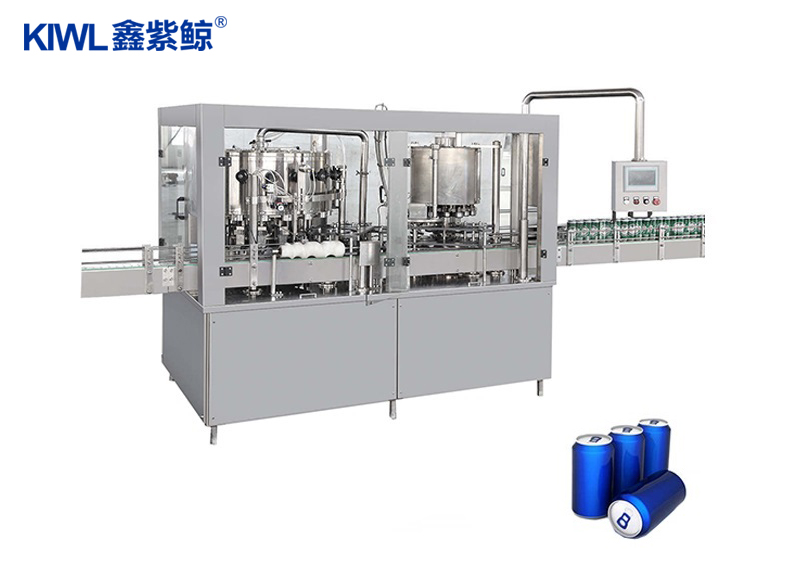
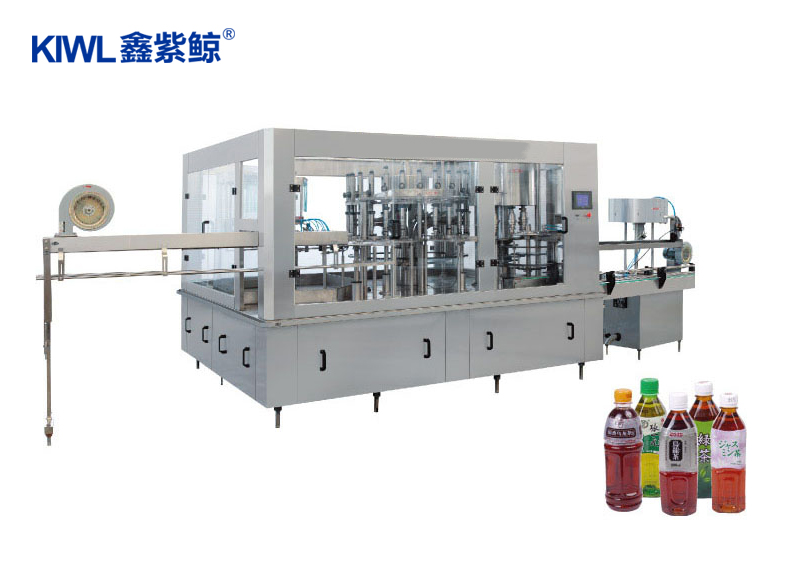
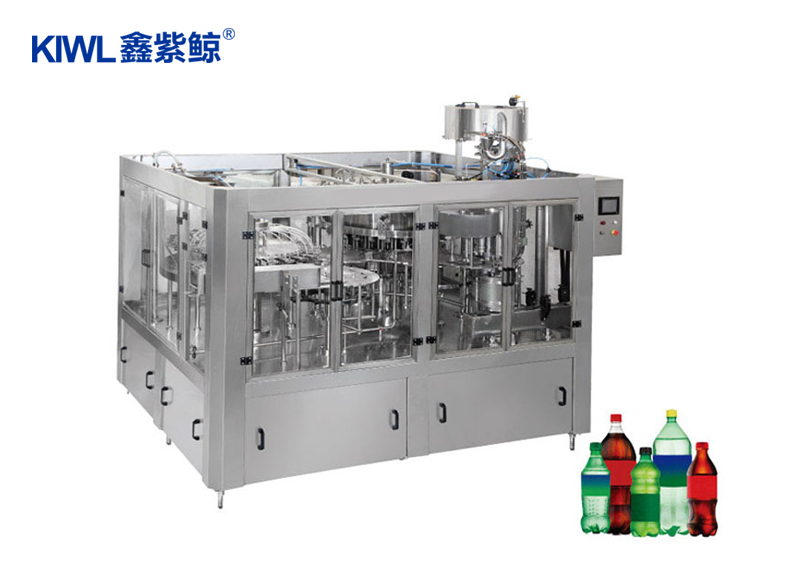
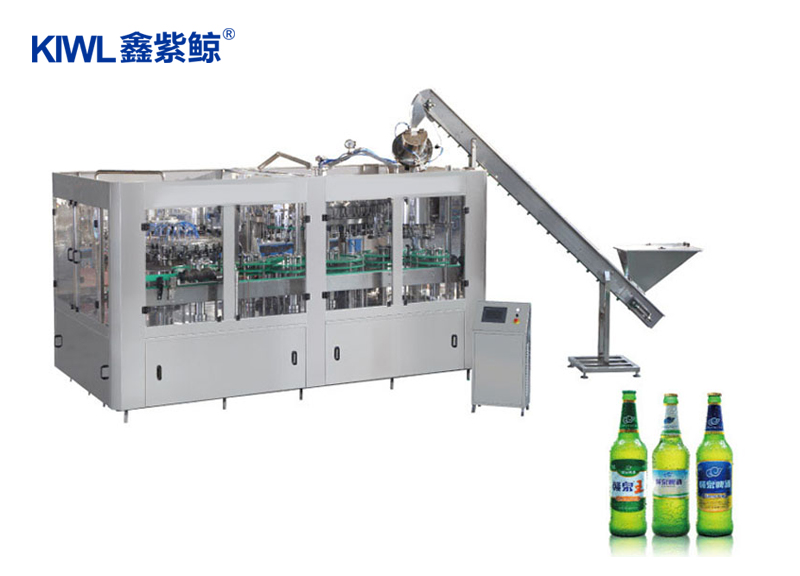
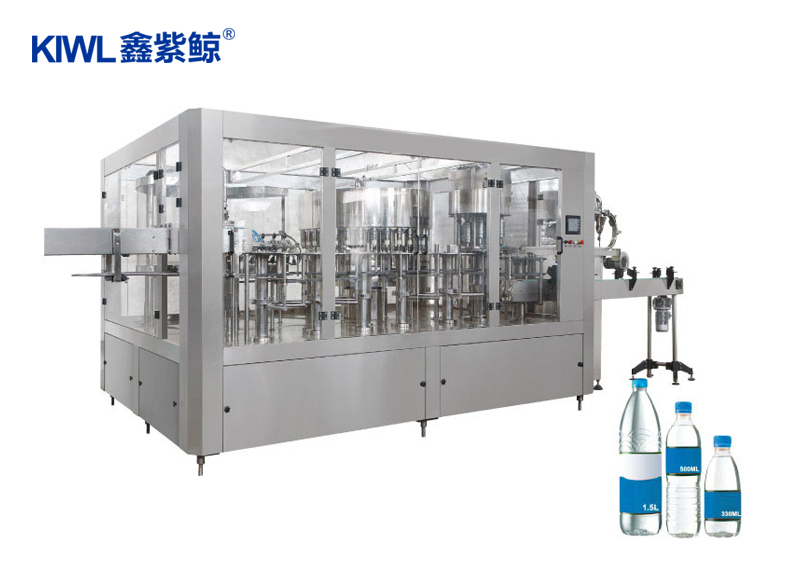
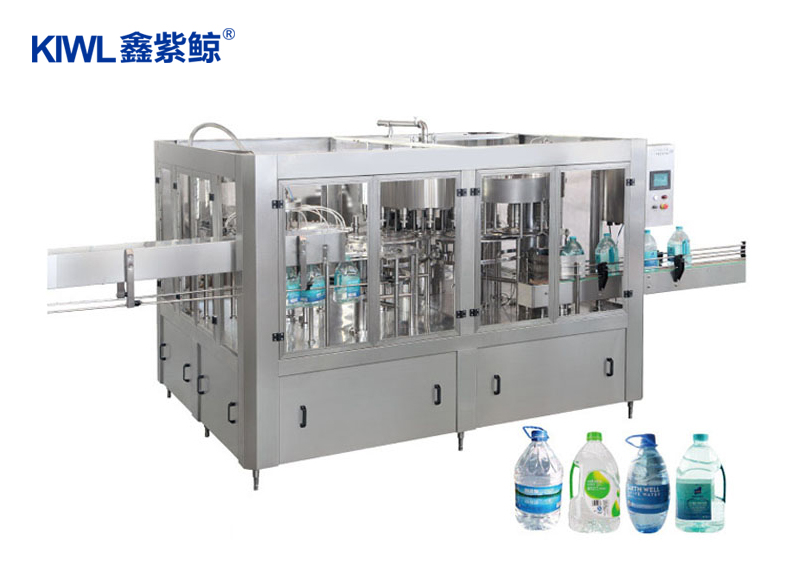
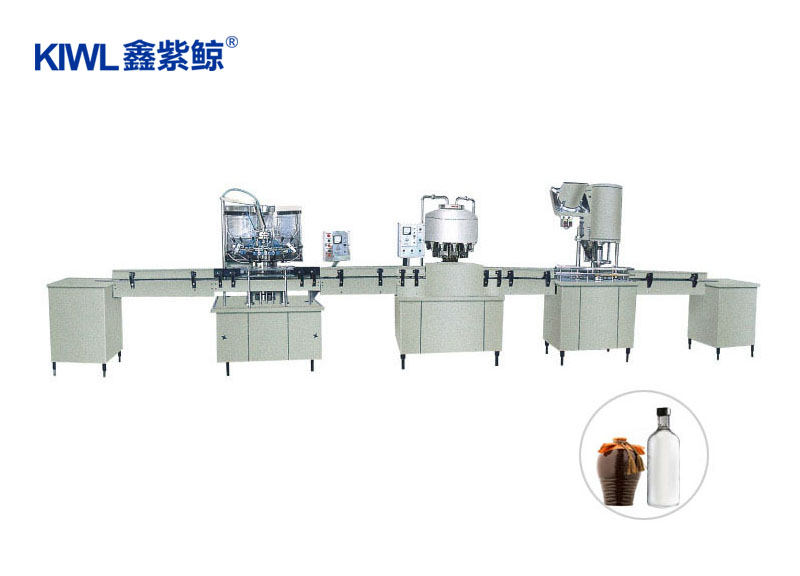
In the realm of manufacturing and packaging, the efficiency and cost-effectiveness of equipment are paramount. One critical component in this domain is the three-in-one filling equipment, which integrates rinsing, filling, and capping functions into a single streamlined process. Understanding the pricing dynamics of such equipment is essential for businesses aiming to optimize their production lines without compromising on quality.
To begin with, the price of three-in-one filling equipment can vary significantly based on several key factors. Firstly, the capacity and output capabilities play a crucial role. Higher capacity machines designed for large-scale production naturally command a higher price tag compared to smaller, lower-output models. This is largely due to the robustness of construction, precision engineering, and advanced automation systems required to handle larger volumes effectively.

Secondly, the level of automation and technological sophistication also influences pricing. Modern three-in-one filling equipment often incorporates state-of-the-art PLC (Programmable Logic Controller) systems, servo motors, and touch-screen interfaces. These advanced features not only enhance operational efficiency but also incur higher manufacturing costs, thereby impacting the final price point of the equipment.
Factors Influencing Three-in-One Filling Equipment Prices
Apart from capacity and technological features, the brand reputation and origin of the equipment manufacturer can also sway pricing. Established brands with a history of reliability and superior customer support tend to price their equipment at a premium. Conversely, equipment manufactured in regions with lower labor costs might offer competitive pricing without compromising on quality, appealing to cost-conscious buyers.
Cost-Benefit Analysis and Long-Term Savings
When evaluating the cost of three-in-one filling equipment, businesses should consider the broader cost-benefit analysis. While initial investment may seem substantial, the efficiency gains, reduced labor costs, and minimized downtime offered by high-quality equipment can lead to significant long-term savings. Moreover, reliable equipment often translates into consistent product quality and fewer maintenance expenses over its operational lifespan.
Conclusion
In conclusion, investing in three-in-one filling equipment entails a careful assessment of various factors beyond just the initial price tag. By understanding the capacity requirements, technological features, and long-term benefits, businesses can make informed decisions that align with their production goals and financial objectives. Ultimately, choosing the right equipment not only enhances operational efficiency but also contributes to overall business growth and competitiveness in the market.
By optimizing this article with targeted keywords and relevant content, it aims to enhance visibility and attract relevant traffic through effective SEO strategies. This approach ensures that businesses seeking information on three-in-one filling equipment pricing find valuable insights that aid their decision-making process.