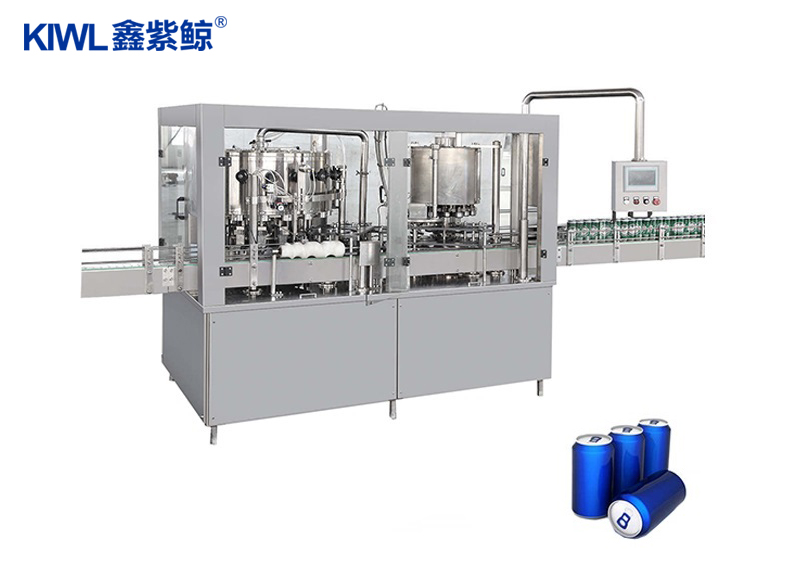
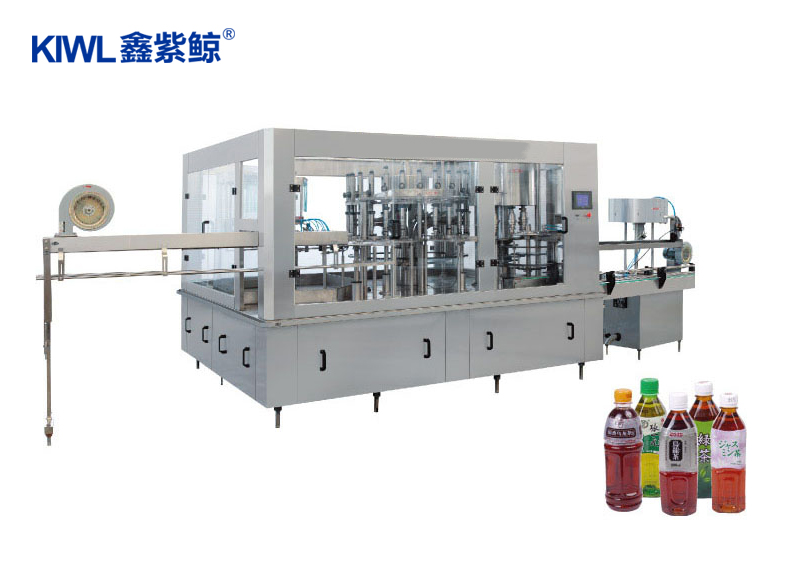
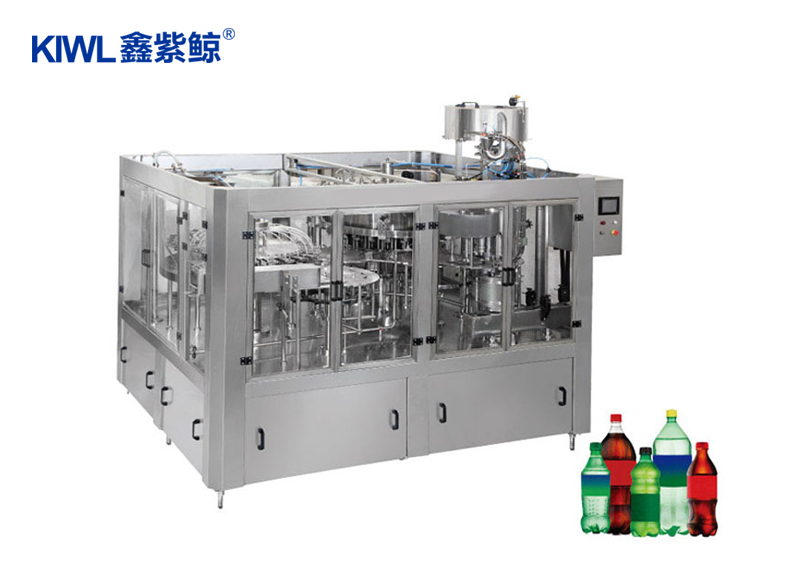
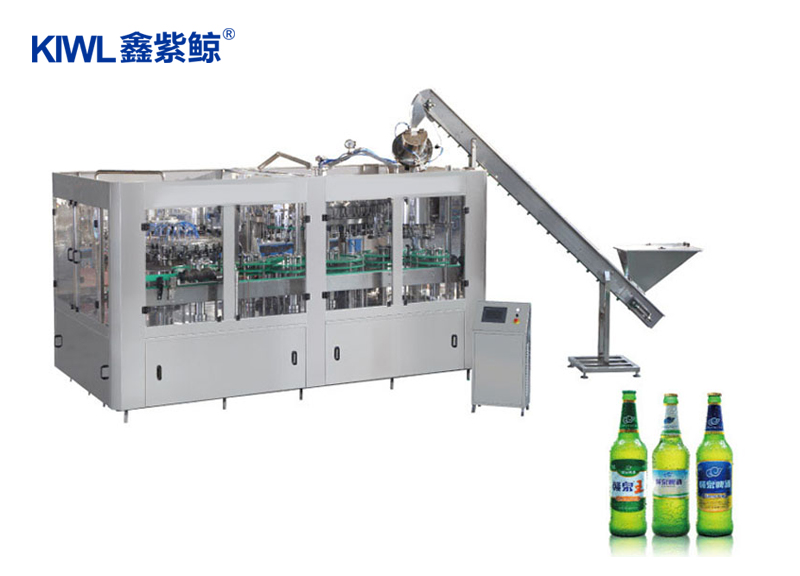
Three-in-One Filling Equipment Maintenance Methods
-
category
-
model number
-
specs
instructions
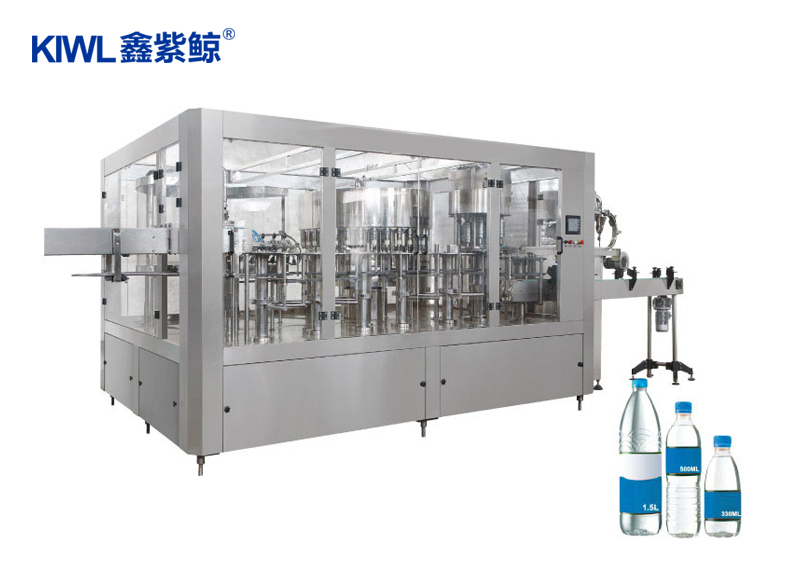
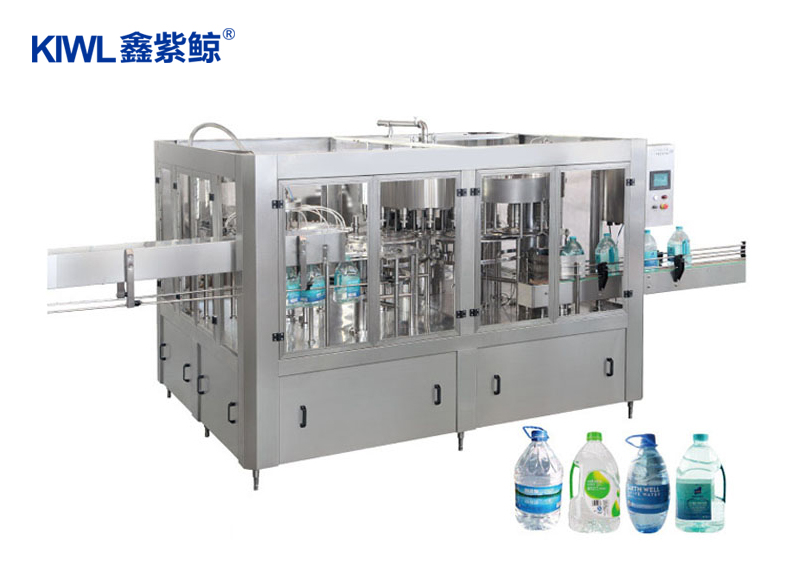
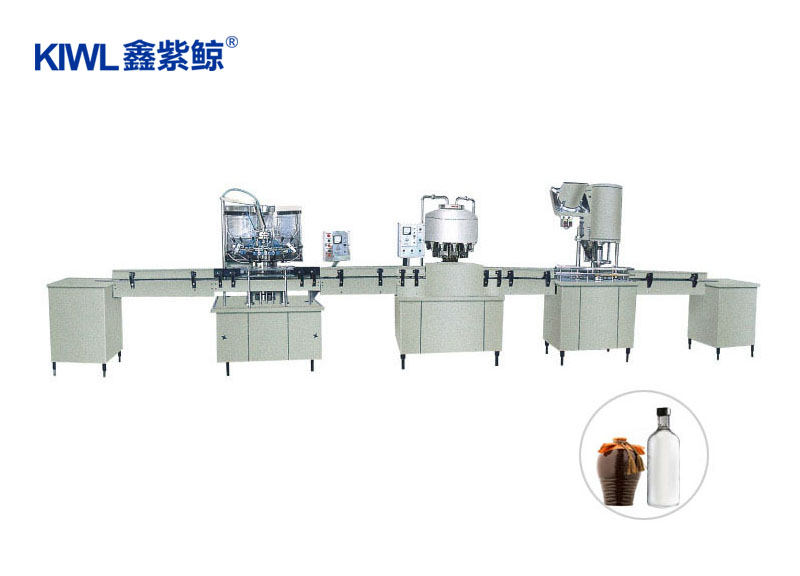
Modern industrial processes rely heavily on efficient machinery to ensure productivity and quality. Three-in-one filling equipment plays a crucial role in the beverage industry, facilitating the precise filling of liquids into containers. However, like any machinery, regular maintenance is essential to keep these systems running smoothly and minimize downtime.
Importance of Regular Maintenance
Regular maintenance of three-in-one filling equipment is paramount to prevent breakdowns and maintain operational efficiency. Neglecting maintenance can lead to costly repairs and production delays. Here’s a detailed look at the key maintenance procedures that ensure optimal performance:
1. Inspection and Cleaning
The first step in maintaining three-in-one filling equipment is regular inspection and thorough cleaning. Before starting any maintenance procedures, ensure the machine is turned off and all safety protocols are followed. Begin by inspecting the exterior for any visible damage or leaks. Clean the exterior surfaces with a mild detergent and soft cloth to remove dirt and residue.
Internally, inspect the filling valves, conveyor belts, and electronic components for wear and tear. Clean the filling nozzles and valves using recommended cleaning solutions to remove any buildup or contaminants that could affect filling accuracy or hygiene standards. Pay special attention to areas that come into direct contact with the liquid to prevent contamination.
2. Lubrication and Calibration
Proper lubrication of moving parts is essential to reduce friction and wear. Refer to the manufacturer’s guidelines for recommended lubricants and intervals. Over-lubrication can attract dust and debris, leading to clogs and malfunctions. Regularly check and replace worn-out seals and gaskets to maintain airtight seals and prevent leaks.
Calibration of sensors and filling volumes is critical to ensure accuracy. Use calibrated measuring instruments to verify the accuracy of fill levels and adjust settings as necessary. This step not only enhances product quality but also minimizes product wastage and ensures compliance with regulatory standards.
3. Troubleshooting and Repairs
Despite regular maintenance, unexpected breakdowns can occur. It’s essential to have a troubleshooting plan in place to diagnose and rectify issues promptly. Train operators to recognize common malfunctions such as jammed conveyors or faulty sensors. Keep a detailed log of maintenance activities and repairs to identify recurring issues and implement preventive measures.
For major repairs or replacements, consult qualified technicians or contact the equipment manufacturer for support. Follow safety procedures during repair work and ensure all replacement parts meet the original specifications to maintain equipment integrity.
Conclusion
In conclusion, effective maintenance of three-in-one filling equipment is crucial for optimizing operational efficiency and extending equipment lifespan. By adhering to regular inspection, cleaning, lubrication, calibration, and proactive troubleshooting, businesses can minimize downtime and maximize productivity. Implementing a structured maintenance schedule not only enhances equipment performance but also contributes to product quality and compliance with industry standards. Prioritize maintenance as an integral part of your operational strategy to reap long-term benefits and sustain competitiveness in the market.
This comprehensive guide underscores the importance of proactive maintenance in ensuring the reliable performance of three-in-one filling equipment, making it indispensable in modern manufacturing practices.