The Energy-Saving and Eco-Friendly Benefits of Three-in-One Filling Equipment
-
category
-
model number
-
specs
instructions
In today's industrial landscape, the integration of sustainability practices is crucial for reducing environmental impact while maximizing operational efficiency. One prime example of this is the three-in-one filling equipment, which not only streamlines production processes but also significantly contributes to energy conservation and environmental protection.
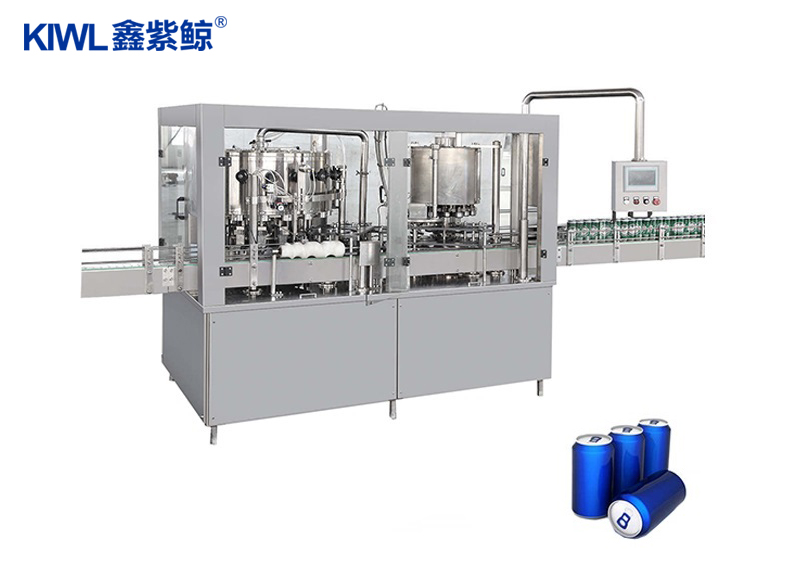
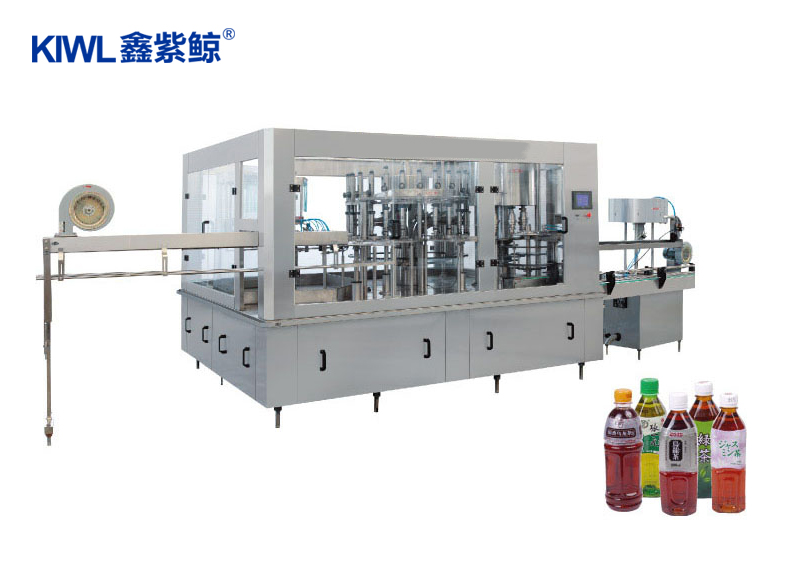
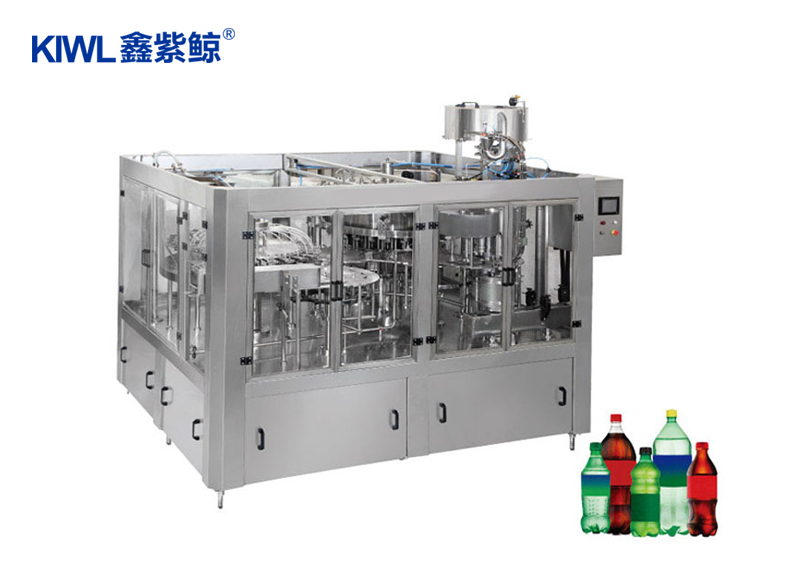
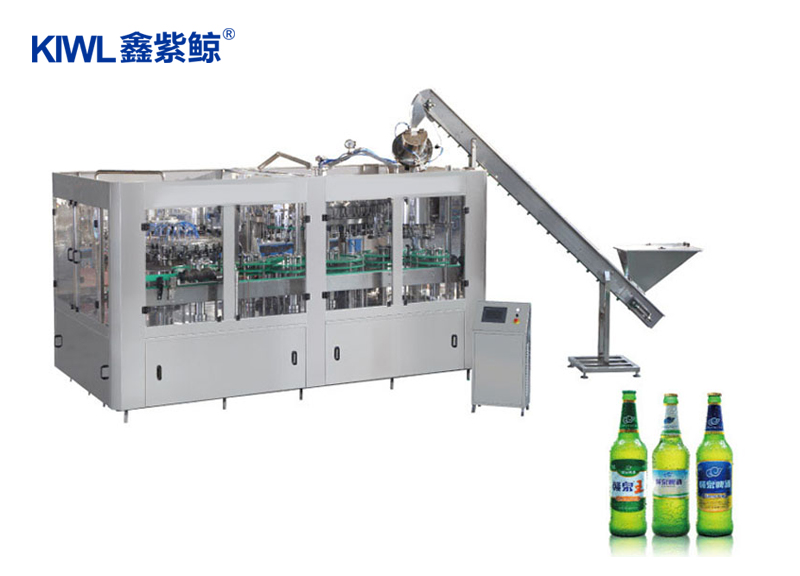
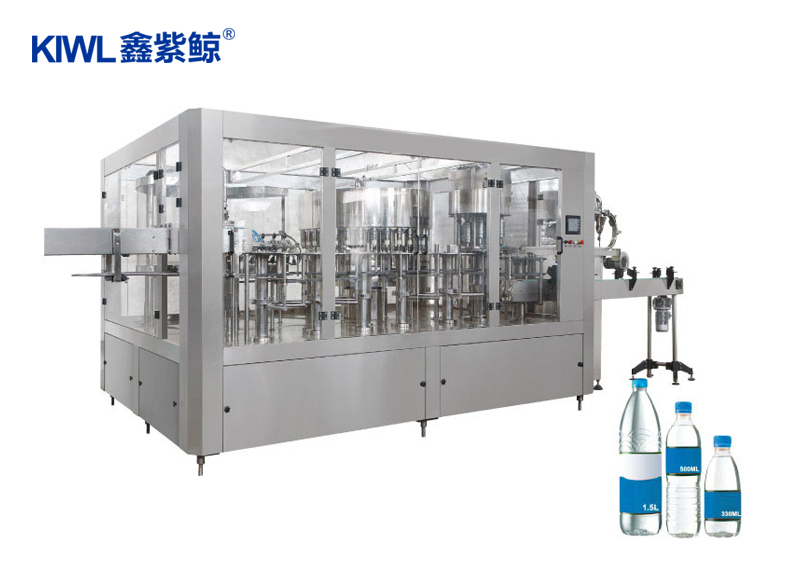
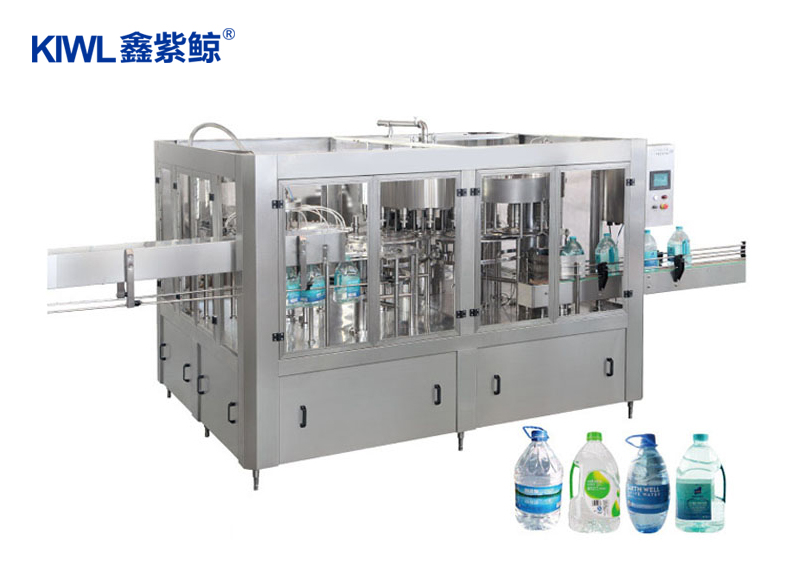
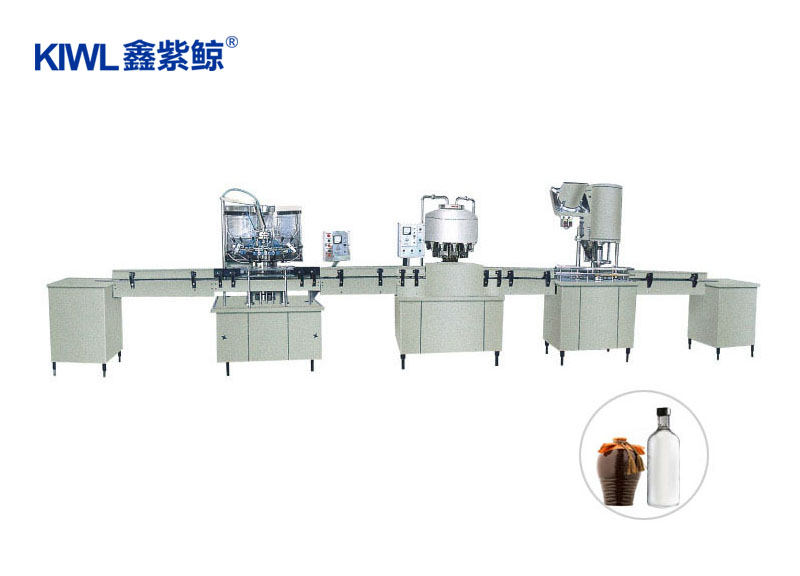
Three-in-one filling equipment combines the functions of bottle rinsing, filling, and capping into a single integrated system. This innovative design not only saves valuable floor space but also minimizes the use of resources such as water and electricity. By optimizing the sequence of operations, these machines reduce the overall energy consumption per unit of production, making them a sustainable choice for modern manufacturing facilities.

Energy Efficiency in Operation
One of the primary advantages of three-in-one filling equipment is its energy-efficient operation. Traditional filling lines often require separate machines for rinsing, filling, and capping, each consuming energy independently. In contrast, the integrated design of three-in-one equipment reduces energy losses associated with transferring containers between different stages of production. This seamless integration not only lowers energy consumption but also reduces greenhouse gas emissions, contributing to a healthier environment.
Environmental Impact Reduction
Beyond energy efficiency, three-in-one filling equipment plays a crucial role in minimizing environmental impact through resource conservation. These machines are engineered to optimize the use of water during the rinsing process, employing advanced technologies like water recycling and filtration systems. By reducing water consumption per bottle filled, they help conserve this precious resource while ensuring high standards of hygiene and product quality.
Operational Sustainability
From a sustainability perspective, investing in three-in-one filling equipment offers long-term operational benefits. The streamlined design requires less maintenance and fewer spare parts compared to multiple standalone machines. This not only lowers maintenance costs but also decreases the production downtime associated with equipment servicing. Moreover, the operational reliability of these systems contributes to consistent product quality and customer satisfaction, enhancing overall business sustainability.
Conclusion
In conclusion, three-in-one filling equipment represents a significant advancement in the quest for sustainable manufacturing solutions. By integrating bottle rinsing, filling, and capping into a single efficient process, these systems reduce energy consumption, minimize environmental footprint, and enhance operational sustainability. Businesses adopting this technology not only achieve cost savings and productivity gains but also demonstrate a commitment to environmental stewardship. Embracing such innovations not only benefits individual companies but also contributes to a greener, more sustainable future for industries worldwide.