Three-in-One Filling Equipment Efficiency Optimization Strategy
-
category
-
model number
-
specs
instructions
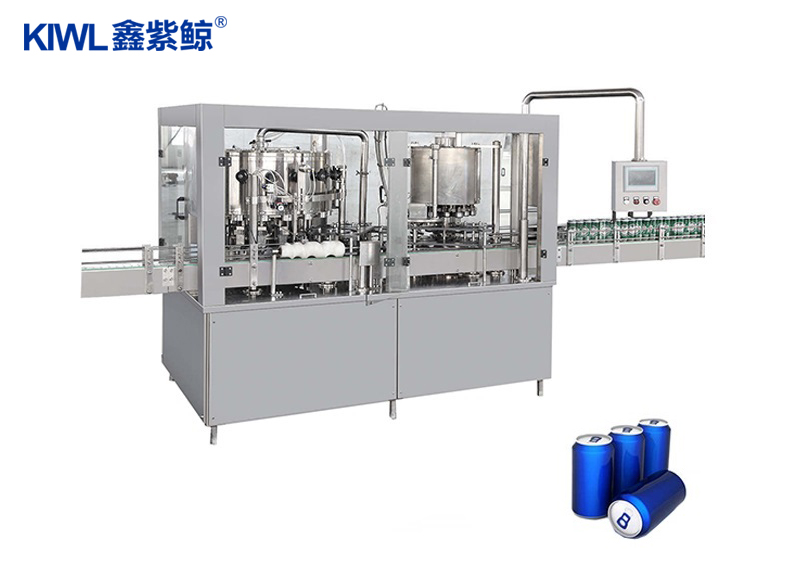
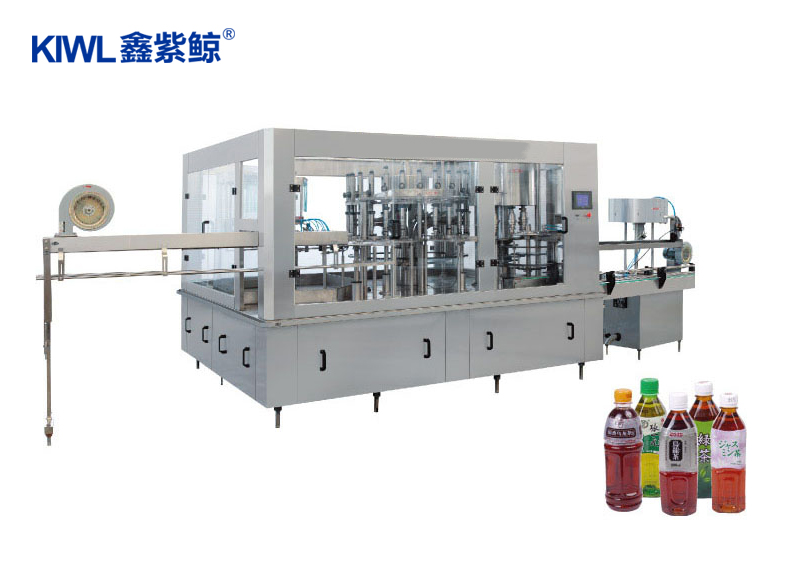
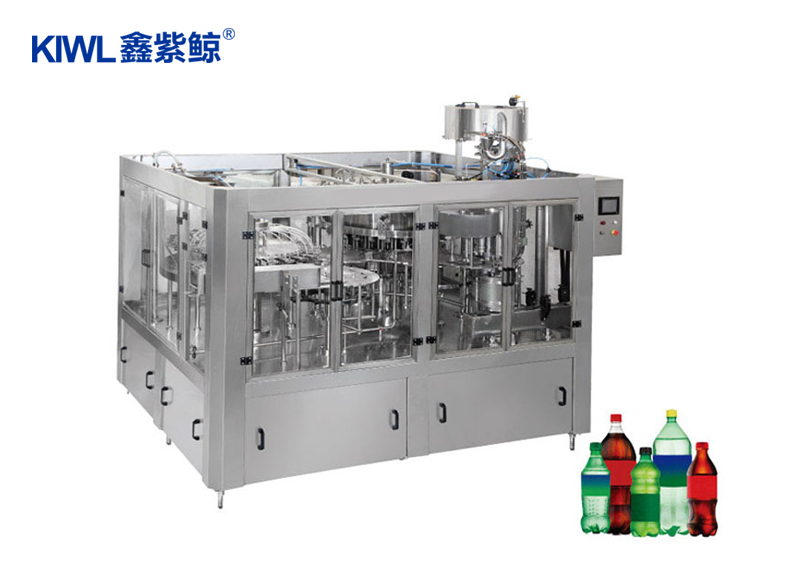
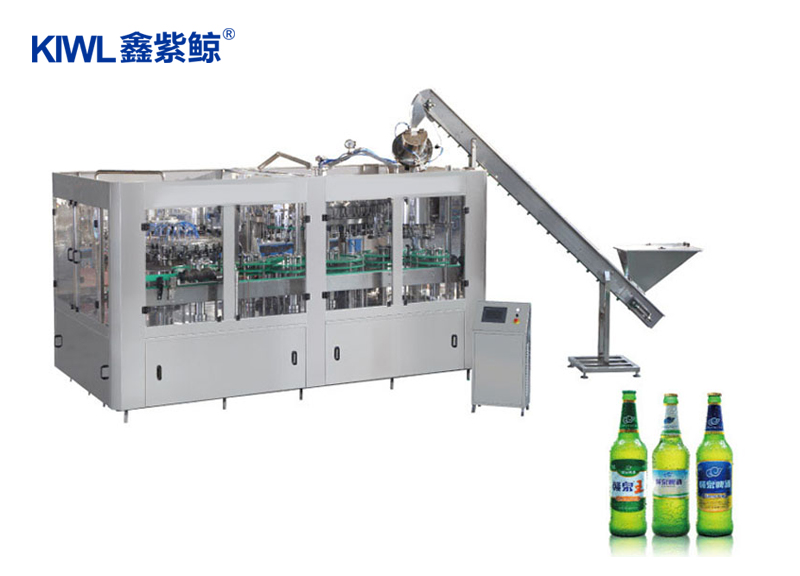
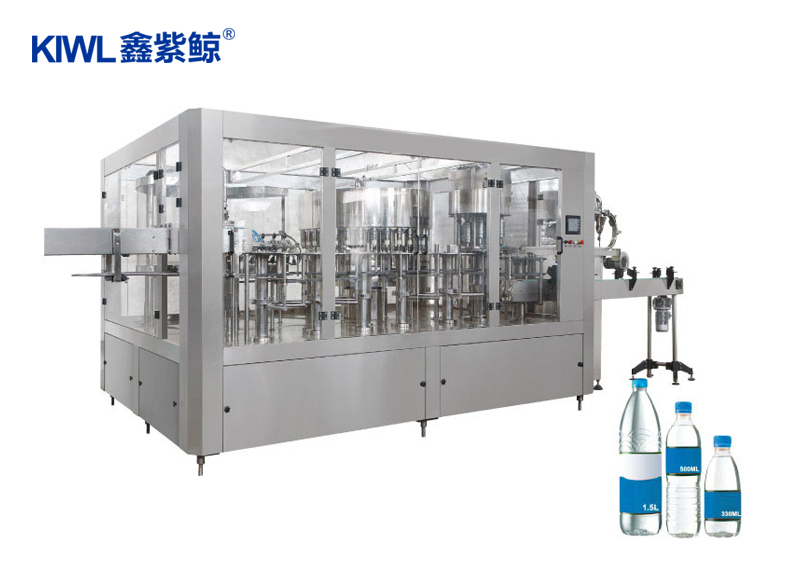
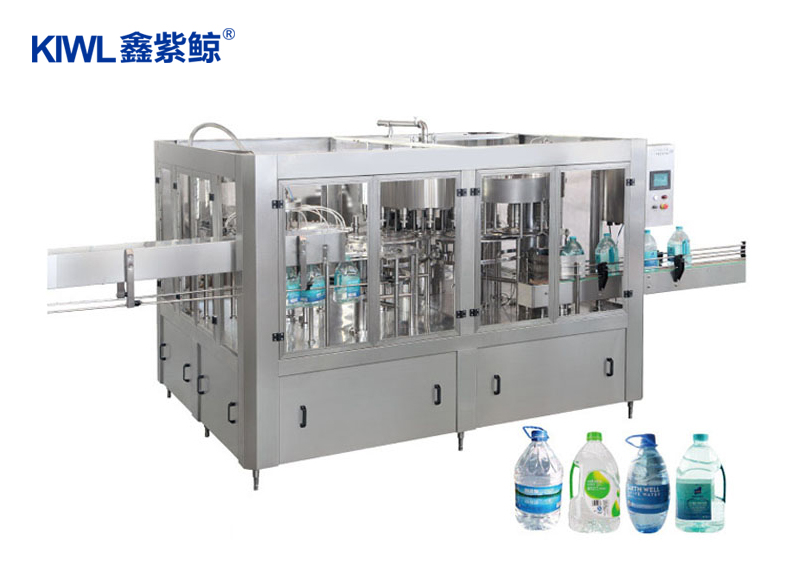
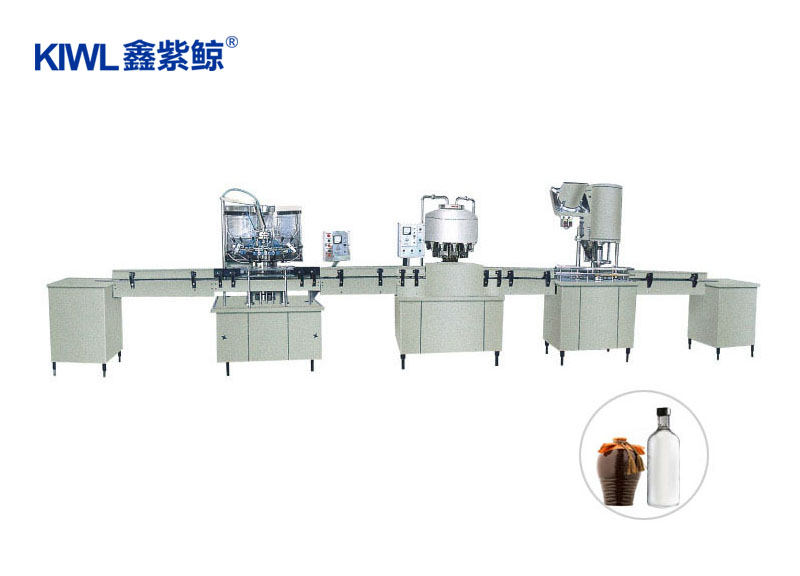
In the competitive landscape of manufacturing, optimizing efficiency is paramount for staying ahead. This principle holds especially true in industries reliant on production line capabilities, such as those employing three-in-one filling equipment. These machines integrate washing, filling, and capping functions into a single system, streamlining operations and reducing downtime. However, achieving peak efficiency requires a strategic approach that encompasses both technology and operational practices.
To begin with, regular maintenance forms the cornerstone of efficiency in three-in-one filling equipment. Proper upkeep not only extends the lifespan of machinery but also ensures consistent performance. This involves scheduled inspections, lubrication of moving parts, and timely replacement of worn components. By adhering to a stringent maintenance schedule, manufacturers minimize unexpected breakdowns and maximize production output.

Technological Integration
Integrating advanced technologies plays a pivotal role in enhancing the efficiency of three-in-one filling equipment. Automation stands out as a transformative tool in this regard. Automated systems not only accelerate the filling process but also ensure precision and consistency, thereby reducing human error. Moreover, sensors and IoT (Internet of Things) connectivity enable real-time monitoring of equipment performance. This data-driven approach allows for proactive maintenance and adjustments, further optimizing operational efficiency.
Workflow Optimization
Efficiency gains in three-in-one filling equipment also hinge on workflow optimization. This entails a comprehensive review of production processes to identify bottlenecks and streamline operations. By reorganizing the sequence of tasks and optimizing the layout of the production line, manufacturers can minimize unnecessary movement and maximize throughput. Additionally, implementing lean manufacturing principles, such as just-in-time inventory management and continuous improvement initiatives, fosters a culture of efficiency throughout the organization.
Conclusion
In conclusion, optimizing the efficiency of three-in-one filling equipment requires a multifaceted approach that blends technological innovation with operational excellence. By prioritizing regular maintenance, leveraging advanced technologies, and optimizing workflow, manufacturers can achieve significant gains in productivity and profitability. As industries evolve, the ability to adapt and optimize becomes increasingly crucial in maintaining a competitive edge. Embracing these strategies not only enhances operational efficiency but also positions manufacturers to meet growing market demands effectively.
By focusing on these strategies, manufacturers can not only improve their production capabilities but also ensure sustainability in a dynamic market environment. This commitment to efficiency not only benefits the bottom line but also establishes a foundation for future growth and innovation in manufacturing processes.