Analysis of the Advantages of Three-in-One Filling Equipment
-
category
-
model number
-
specs
instructions
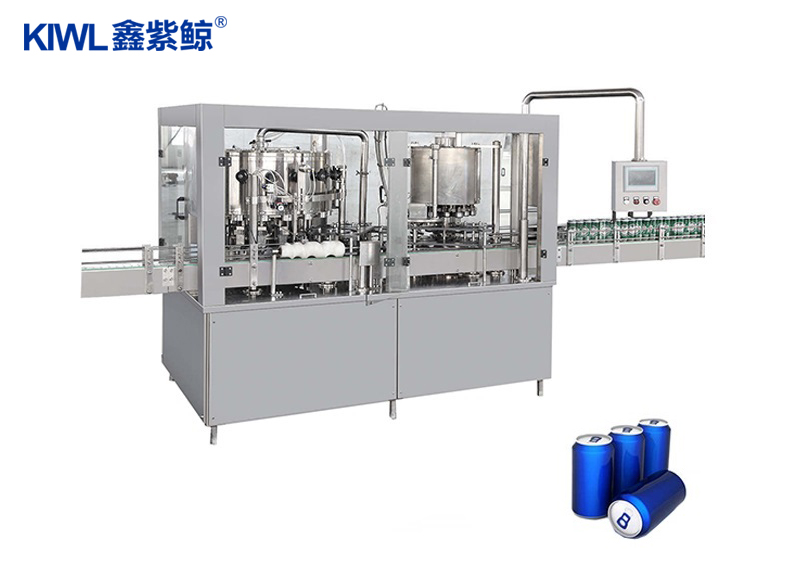
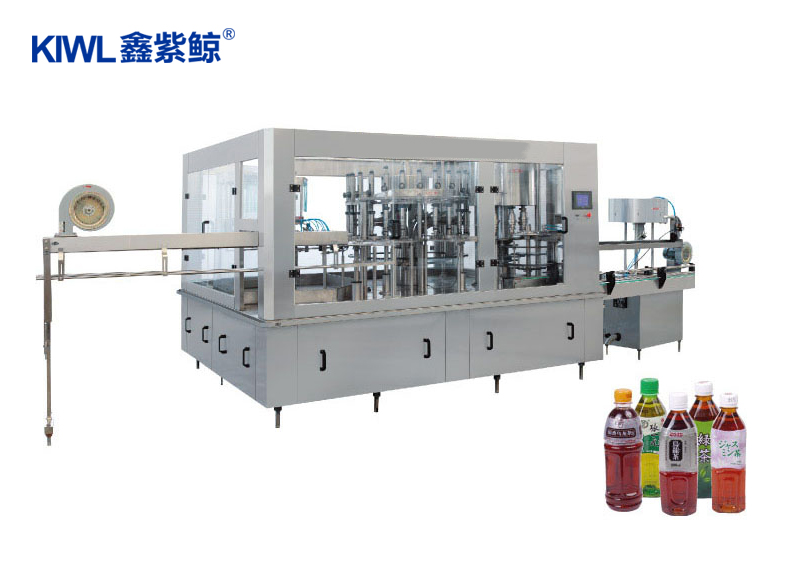
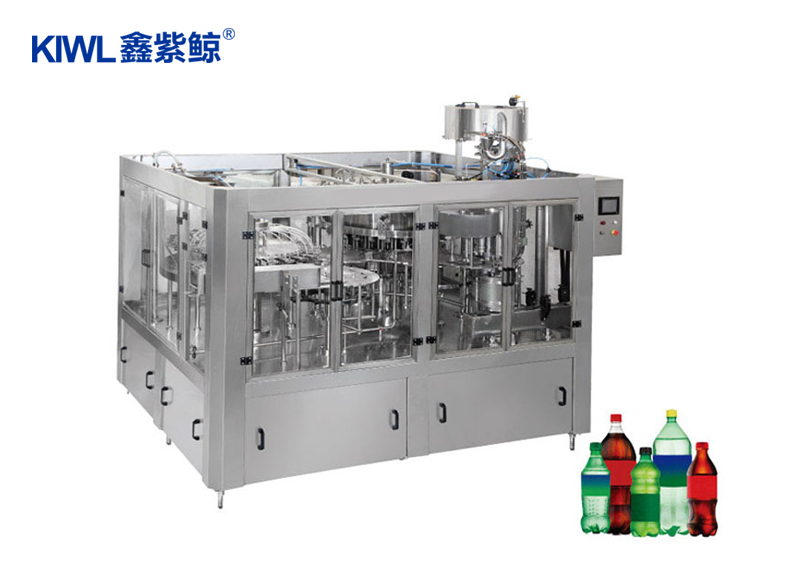
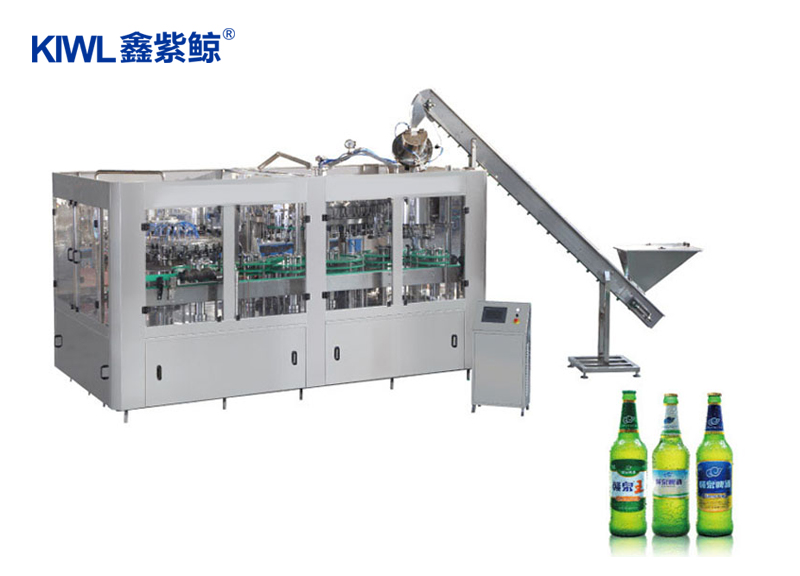
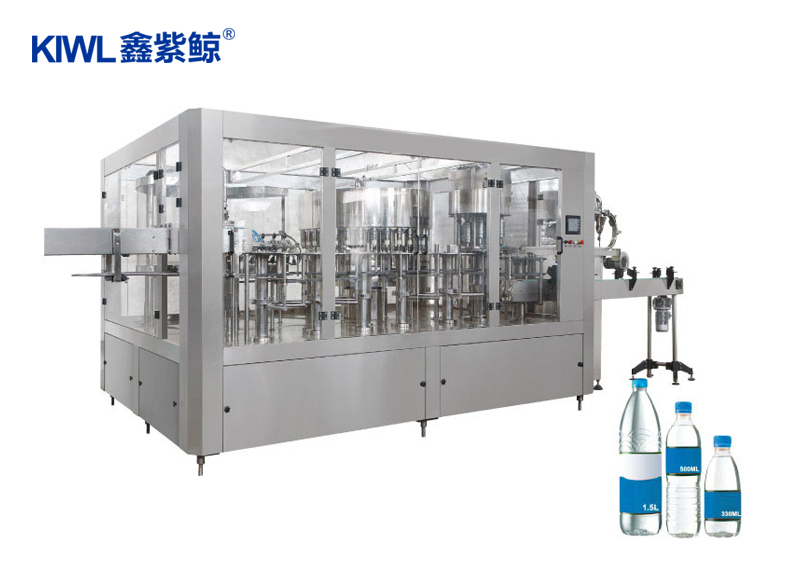
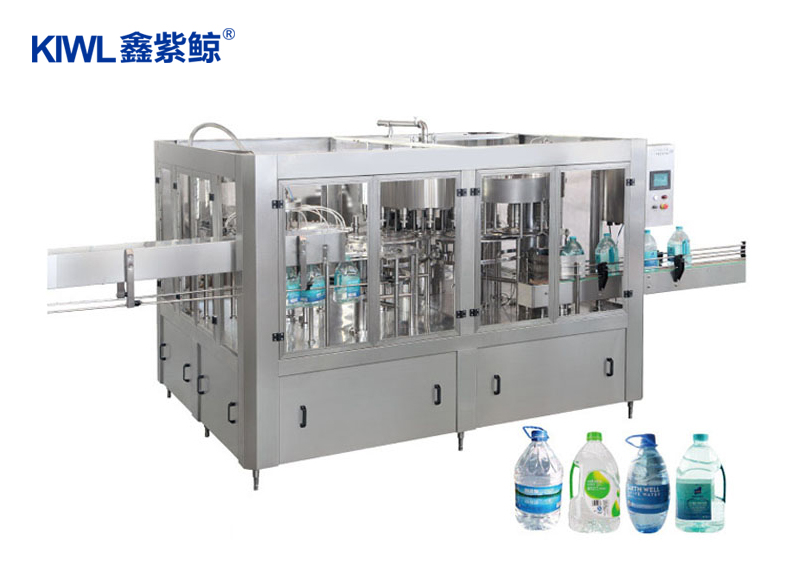
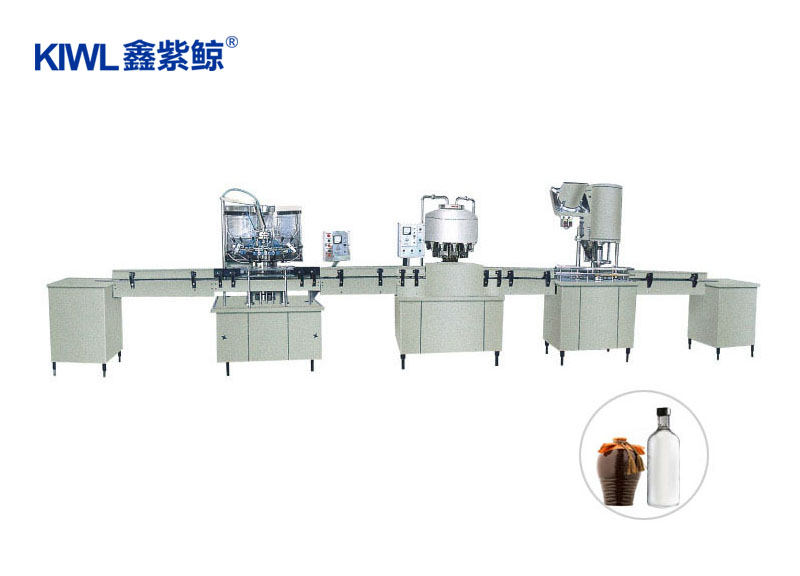
Three-in-one filling equipment represents a significant advancement in industrial machinery, particularly within the beverage and liquid packaging industries. This integrated system combines the functions of washing, filling, and capping into a single streamlined process, offering several compelling advantages over traditional separate systems.
Enhanced Efficiency and Streamlined Operations

One of the primary benefits of three-in-one filling equipment is its ability to enhance efficiency. By integrating the three essential processes of washing, filling, and capping, the equipment reduces the need for manual intervention and minimizes production downtime. This streamlined operation not only increases output but also ensures consistent product quality by minimizing human error during transfer between separate machines. Operators can oversee the entire process from a centralized control panel, optimizing production flow and reducing labor costs associated with operating multiple machines simultaneously.
Improved Hygiene and Sanitation Standards
Three-in-one filling equipment significantly improves hygiene and sanitation standards in manufacturing facilities. The integrated design reduces the exposure of products to external contaminants during transfer between machines. Furthermore, the automated cleaning and sterilization processes built into the equipment ensure thorough sanitization between production runs. This feature is critical in industries like beverage manufacturing, where maintaining high standards of cleanliness is essential to meet regulatory requirements and consumer expectations for product safety.
Versatility and Adaptability
Another key advantage of three-in-one filling equipment is its versatility and adaptability to different types of products and packaging formats. Modern systems are designed to accommodate various bottle sizes, shapes, and materials, allowing manufacturers to quickly adjust production lines to meet changing market demands. Whether filling carbonated beverages, juices, or water, these systems offer flexibility without compromising efficiency or product integrity. This versatility makes three-in-one filling equipment a valuable investment for companies looking to expand their product offerings or enter new markets with different packaging requirements.
Conclusion
In conclusion, three-in-one filling equipment represents a significant technological advancement in the field of industrial packaging. Its integrated design enhances operational efficiency by combining multiple functions into a single system, reduces production costs through minimized labor requirements, and improves product quality and safety standards. With its versatility in handling various products and packaging formats, this equipment meets the dynamic needs of modern manufacturing environments. Investing in three-in-one filling equipment not only boosts productivity but also ensures that manufacturers maintain a competitive edge in the market by delivering consistent, high-quality products to consumers.