Market Prospects of Three-in-One Filling Equipment
-
category
-
model number
-
specs
instructions
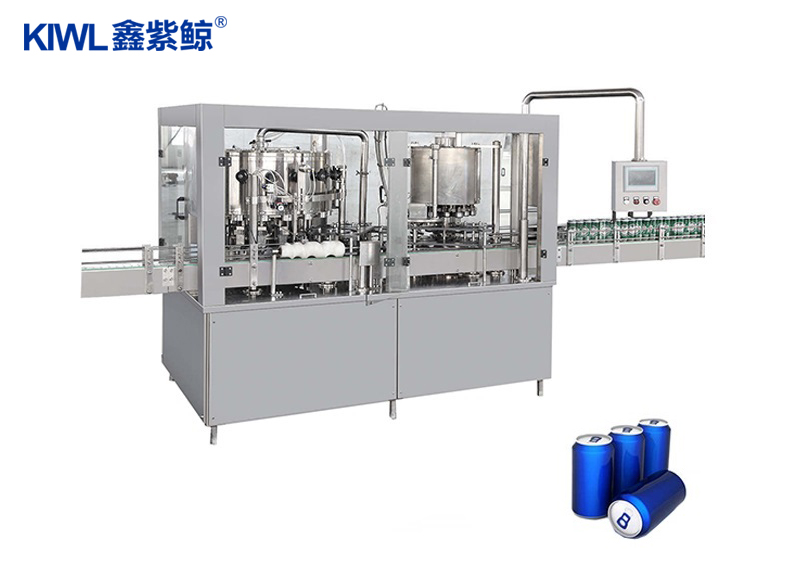
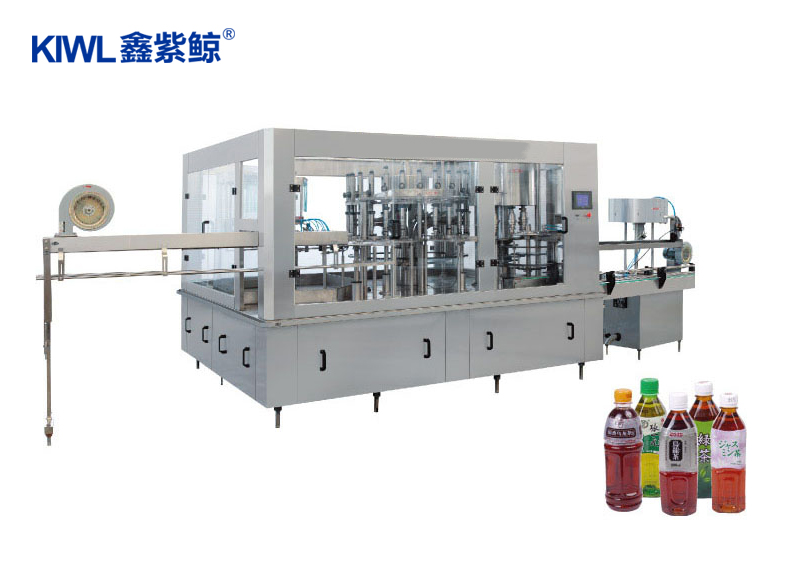
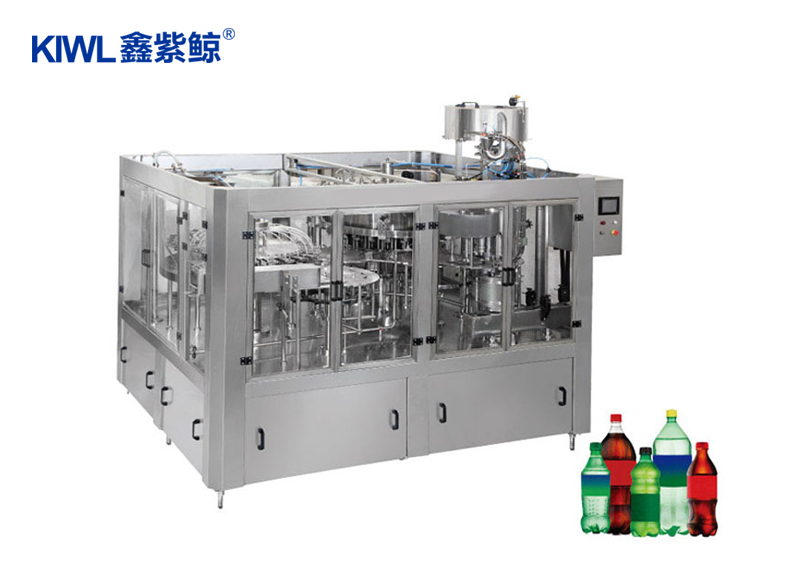
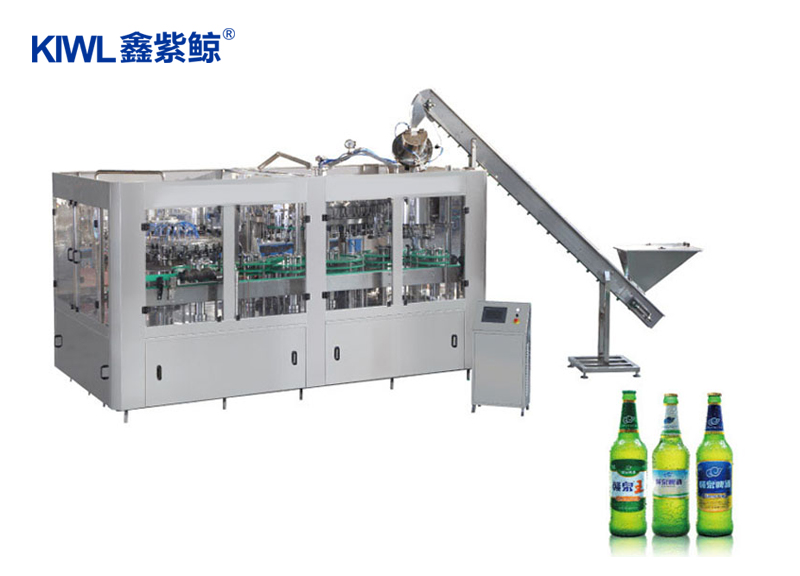
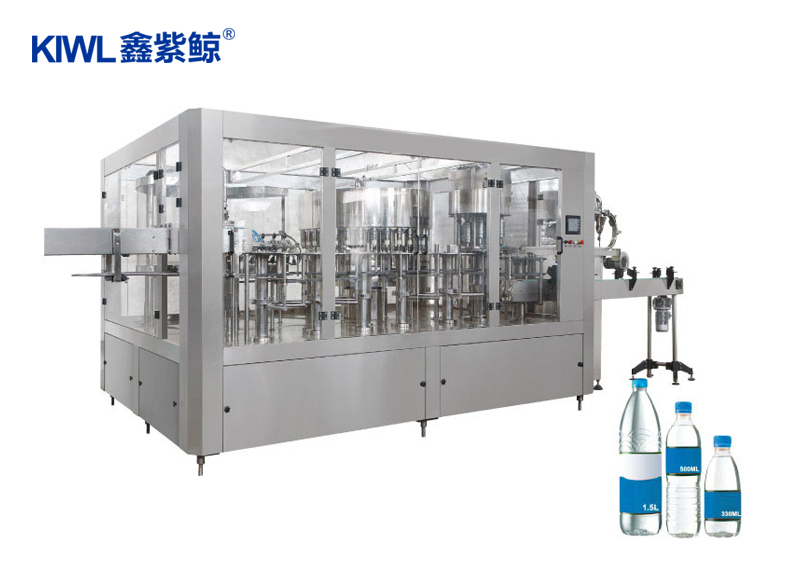
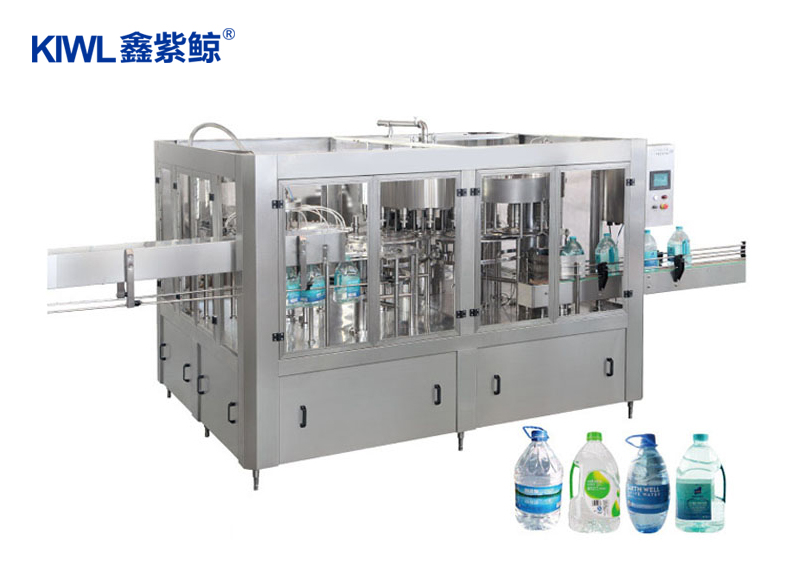
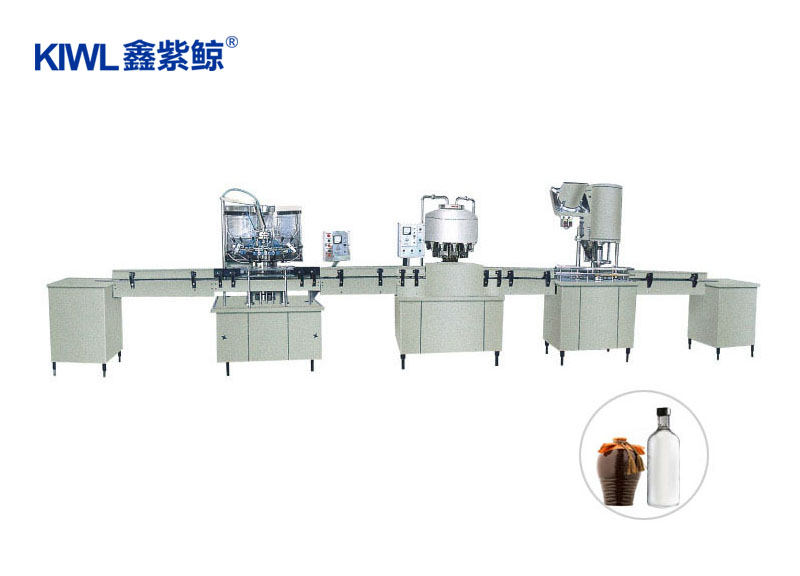
The market for three-in-one filling equipment is poised for significant growth in the coming years, driven by increasing demand across various industries such as food and beverage, pharmaceuticals, and cosmetics. These machines integrate the functions of bottle rinsing, filling, and capping into a single system, offering efficiency, space savings, and reduced labor costs to manufacturers.

Industry Demand and Application
One of the key drivers for the adoption of three-in-one filling equipment is the growing demand for streamlined production processes. Industries require equipment that can handle multiple tasks seamlessly while maintaining high levels of hygiene and precision. For instance, in the beverage sector, where hygiene standards are paramount, these machines ensure that bottles are thoroughly cleaned, filled accurately, and sealed tightly, meeting regulatory requirements and consumer expectations alike.
Technological Advancements and Innovation
Advancements in technology have further propelled the market for three-in-one filling equipment. Manufacturers are continually innovating to enhance machine capabilities, such as integrating IoT (Internet of Things) functionalities for remote monitoring and predictive maintenance. This not only improves operational efficiency but also reduces downtime, thereby increasing overall production output. Additionally, the development of servo-driven systems has enabled finer control over filling processes, accommodating a wide range of product viscosities and container types with minimal adjustments.
Conclusion
In conclusion, the future looks promising for the three-in-one filling equipment market. As industries increasingly prioritize efficiency, hygiene, and cost-effectiveness, these machines offer a compelling solution. With ongoing technological advancements and expanding applications across diverse sectors, the demand for versatile and efficient filling equipment is expected to continue rising. Manufacturers that invest in innovative solutions and adapt to evolving consumer and regulatory demands will likely thrive in this growing market landscape.