Three-in-One Filling Equipment: Industry Applications Explored
-
category
-
model number
-
specs
instructions
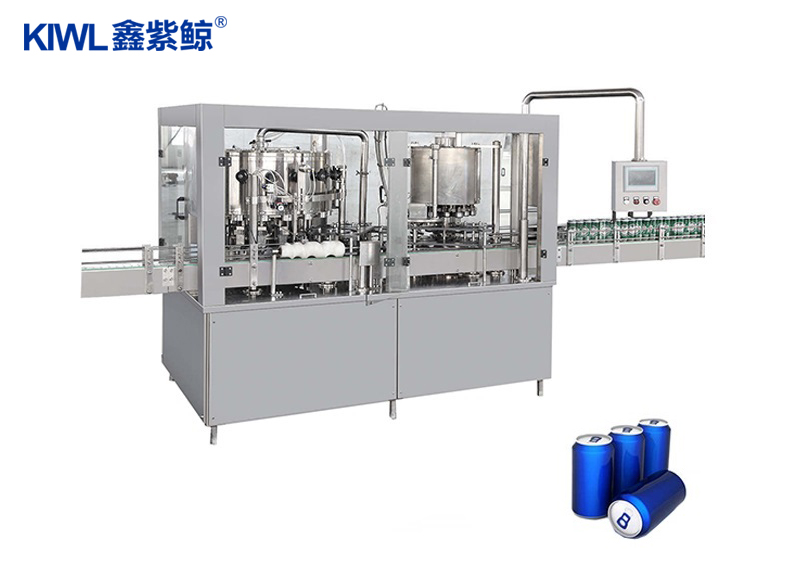
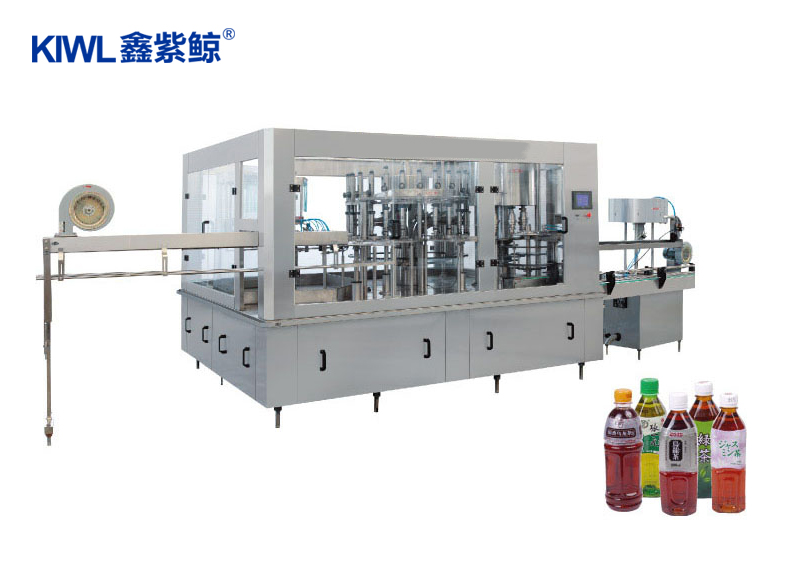
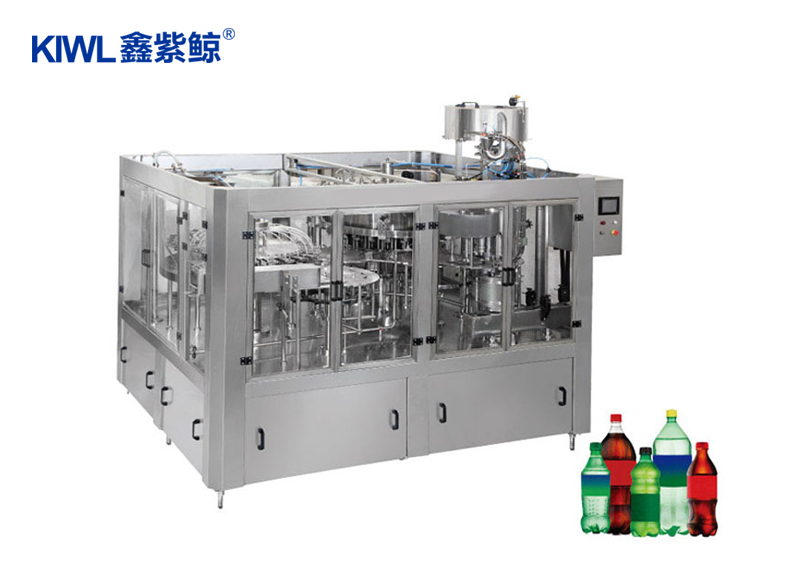
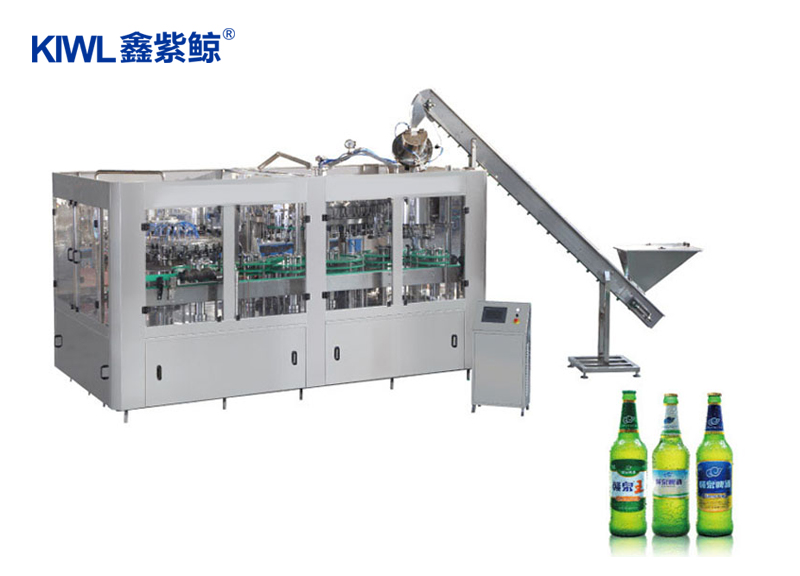
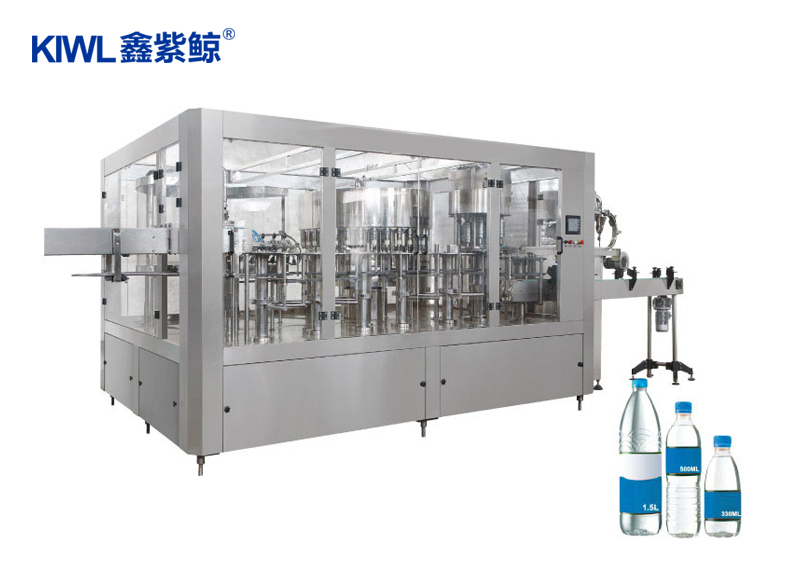
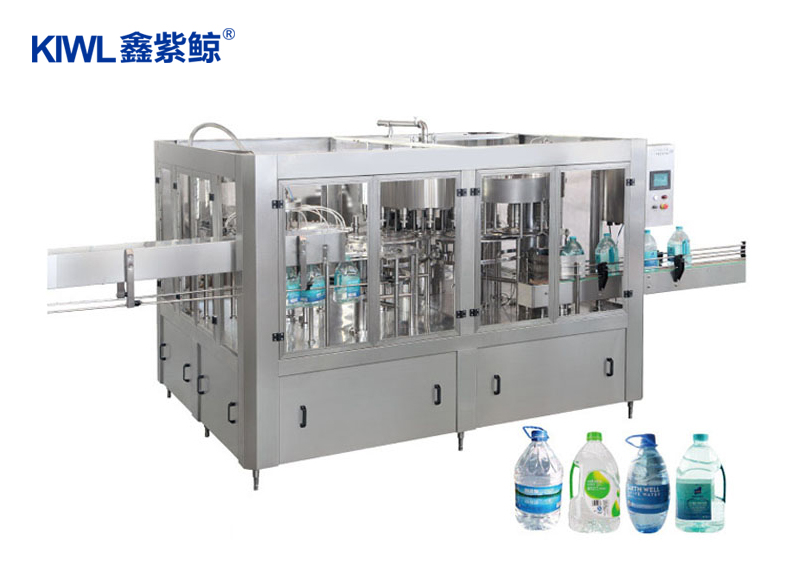
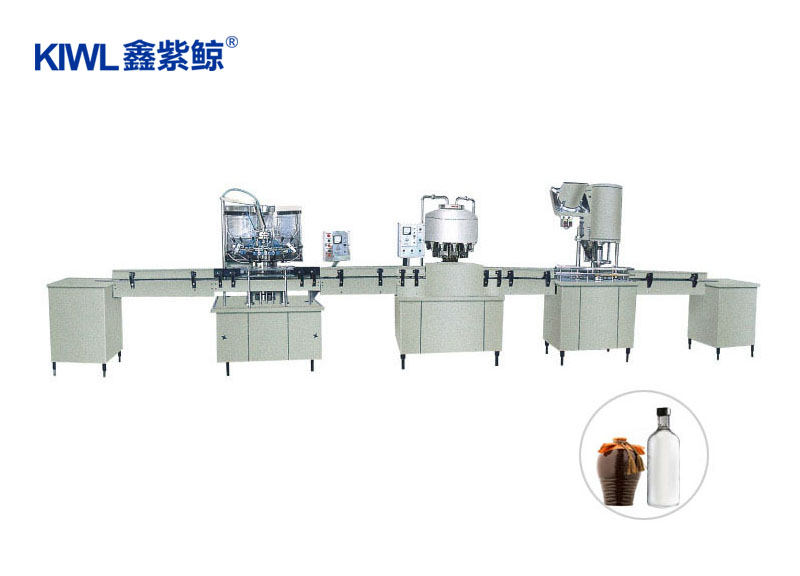
In the realm of industrial manufacturing, the application of three-in-one filling equipment plays a pivotal role in enhancing efficiency and productivity across various sectors. This advanced machinery integrates the functions of bottle rinsing, liquid filling, and capping into a single system, revolutionizing the production lines of beverages, pharmaceuticals, and cosmetics alike.
Enhanced Operational Efficiency
Three-in-one filling equipment automates the traditionally separate processes of bottle cleaning, liquid dispensing, and sealing. By streamlining these operations, manufacturers can significantly increase their output while maintaining stringent quality standards. This efficiency not only reduces labor costs but also minimizes the risk of contamination, ensuring product integrity from production to consumption.

Applications Across Industries
The versatility of three-in-one filling machines extends across multiple industries. In the beverage sector, these systems handle various liquids, including carbonated drinks and juices, with precision and speed. Pharmaceutical companies utilize them for accurately filling medicinal syrups and suspensions under sterile conditions. Similarly, cosmetic manufacturers rely on these machines to maintain consistency while filling creams, lotions, and other beauty products.
Technological Advancements and Adaptability
Recent technological advancements have further enhanced the adaptability of three-in-one filling equipment. Modern systems feature programmable logic controllers (PLCs) and human-machine interfaces (HMIs) that allow for easy customization and monitoring of the filling process. This adaptability ensures that manufacturers can quickly adjust settings to accommodate different bottle sizes, liquid viscosities, and production volumes, thereby optimizing operational flexibility.
Conclusion
In conclusion, the adoption of three-in-one filling equipment represents a significant leap forward in industrial automation. Its ability to integrate bottle rinsing, liquid filling, and capping into a single streamlined process not only boosts operational efficiency but also upholds product quality standards. Across the beverage, pharmaceutical, and cosmetic industries, these machines have become indispensable tools for meeting growing consumer demands while maintaining cost-effectiveness. As technology continues to evolve, the future promises even greater advancements in three-in-one filling equipment, further solidifying its role as a cornerstone of modern manufacturing practices.