Exploring New Technologies in Three-in-One Filling Equipment
-
category
-
model number
-
specs
instructions
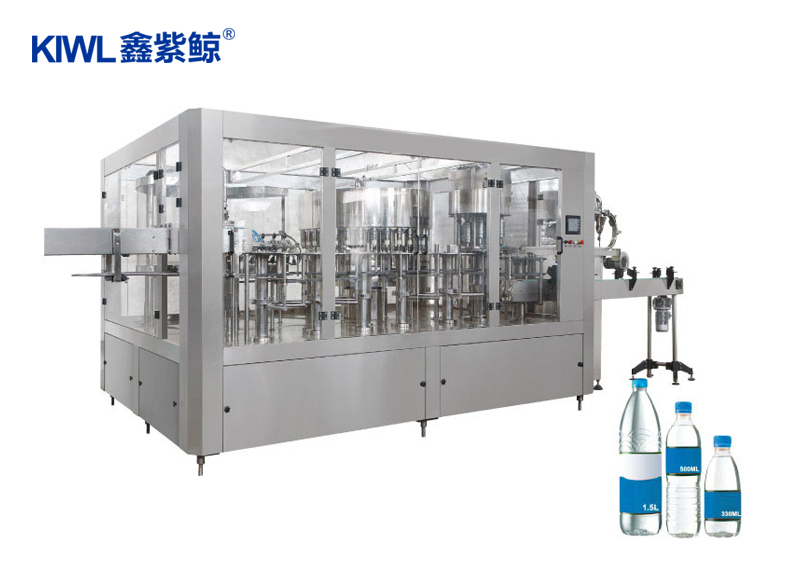
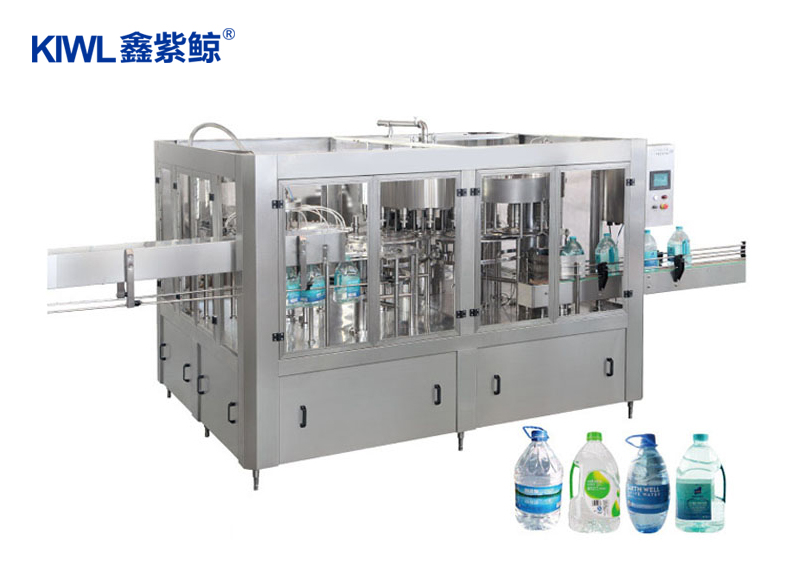
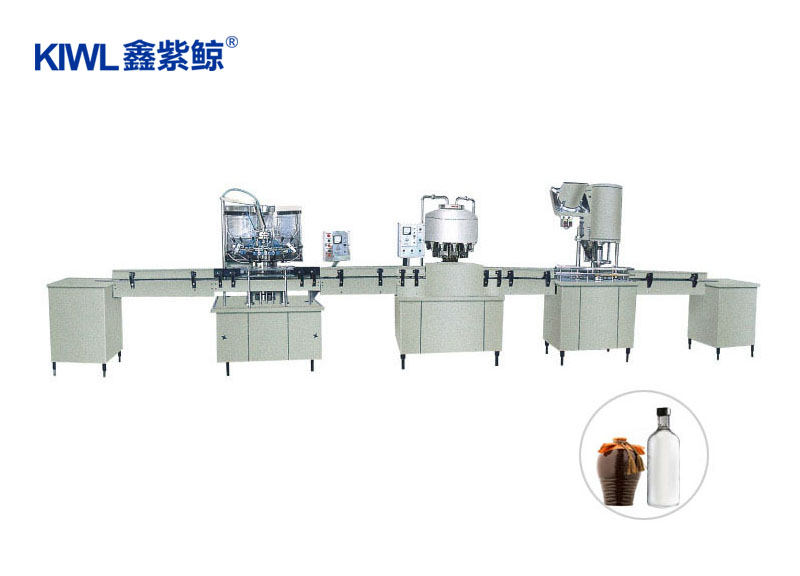
In the fast-evolving world of packaging technology, three-in-one filling equipment stands out for its efficiency and versatility. This advanced machinery integrates bottle rinsing, filling, and capping into a single system, streamlining production processes and reducing operational costs. As industries continue to demand more from their equipment, innovation in three-in-one filling technology is pivotal. This article delves into the latest advancements in this field, highlighting key developments and their impact on the packaging industry.
1. Advancements in Automation and Control Systems
Recent innovations in three-in-one filling equipment have significantly improved automation and control systems. Modern machines now feature sophisticated PLC (Programmable Logic Controller) systems and advanced sensors, allowing for precise control over each stage of the filling process. These advancements enable better synchronization between rinsing, filling, and capping, enhancing overall efficiency and reducing the likelihood of errors.
Additionally, the integration of Industry 4.0 technologies has led to the adoption of IoT (Internet of Things) capabilities. This allows for real-time monitoring and remote troubleshooting, which can dramatically reduce downtime and maintenance costs. Manufacturers can now use data analytics to optimize machine performance, predict maintenance needs, and ensure consistent product quality.

2. Enhanced Efficiency and Reduced Waste
Another significant advancement is the enhancement of efficiency and reduction of waste. New designs and technologies have led to more accurate filling mechanisms, which minimize product loss and ensure precise quantities are dispensed. This not only improves operational efficiency but also helps companies reduce costs associated with product wastage.
The latest three-in-one filling machines also incorporate improved cleaning systems that reduce the time required for sanitation between product runs. This is crucial for industries where hygiene is paramount, such as the food and beverage sector. These systems ensure that machines are cleaned thoroughly without interrupting production, thus maintaining high standards of cleanliness and efficiency.
3. Customization and Versatility
The versatility of modern three-in-one filling equipment has been greatly enhanced to accommodate a wider range of bottle sizes and types. Manufacturers now offer customizable solutions that can be tailored to specific production needs. This flexibility is particularly beneficial for businesses that deal with multiple product lines or seasonal variations.
Additionally, the latest models feature modular designs that allow for easy upgrades and modifications. This means that companies can adapt their equipment to new product formulations or packaging requirements without investing in entirely new systems. This adaptability is a key factor in staying competitive in an ever-changing market.
In conclusion, the advancements in three-in-one filling equipment technology are transforming the packaging industry by enhancing automation, efficiency, and versatility. These innovations not only streamline production processes but also contribute to cost savings and improved product quality. As technology continues to evolve, we can expect further improvements that will continue to drive progress in the packaging sector. Embracing these new technologies will be essential for businesses looking to maintain a competitive edge and meet the growing demands of the market.