Analysis of Efficiency in Mountain Spring Water Bottling Production Line<p>In th
-
category
-
model number
-
specs
instructions
In the realm of beverage production, efficiency plays a pivotal role in ensuring quality and cost-effectiveness. This holds especially true in the context of mountain spring water bottling, where maintaining high standards of hygiene and output efficiency are paramount. This article delves into the factors that contribute to the efficiency of mountain spring water bottling production lines, exploring key elements from quality control to technological advancements.
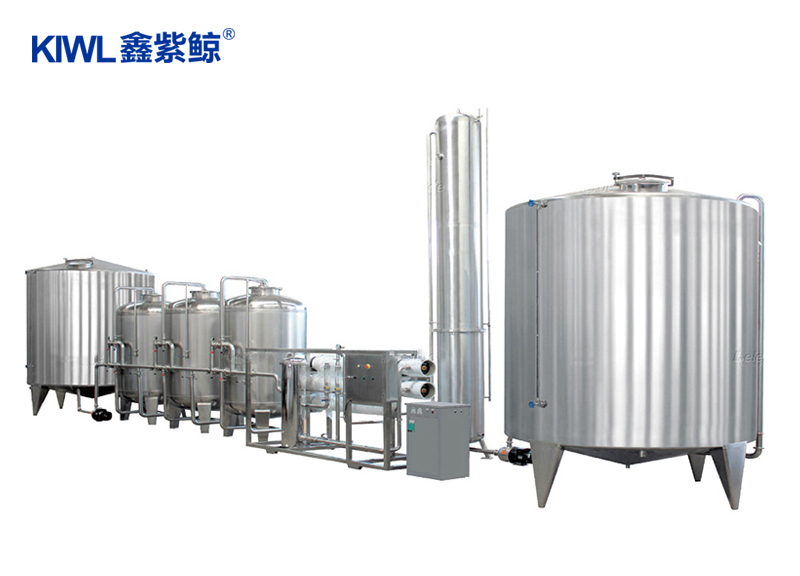
Efficiency in a mountain spring water bottling production line is multifaceted. It begins with sourcing the water itself, typically from pristine mountain springs known for their purity. Once sourced, the water undergoes rigorous testing to ensure it meets quality standards set by regulatory bodies. Quality control measures are integrated throughout the production process, minimizing the risk of contaminants and ensuring consistency in taste and purity.

Technological Innovations
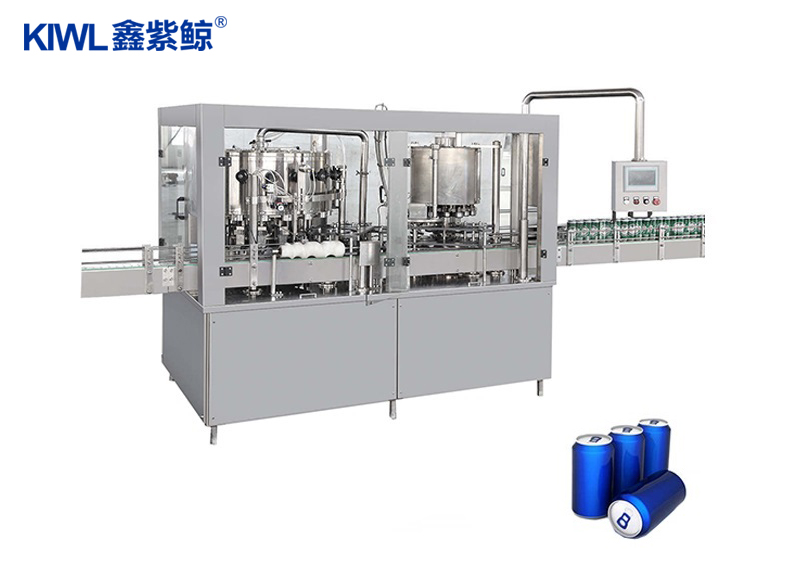
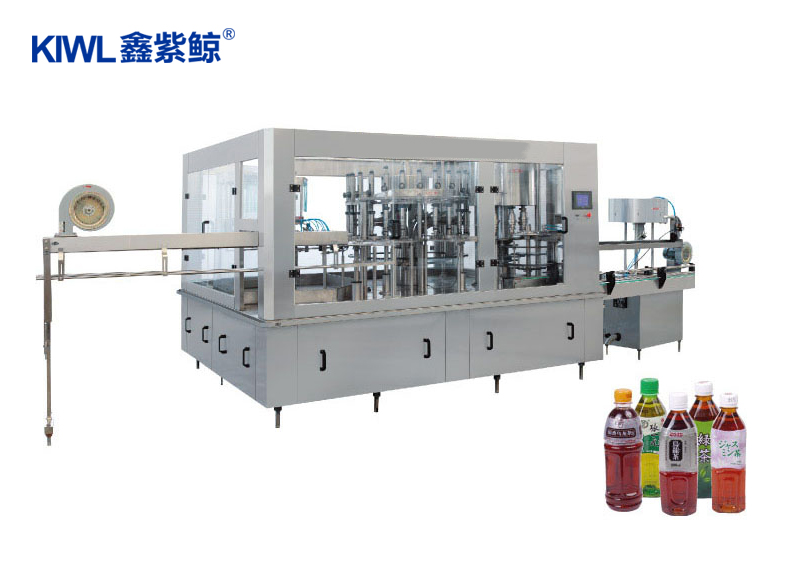
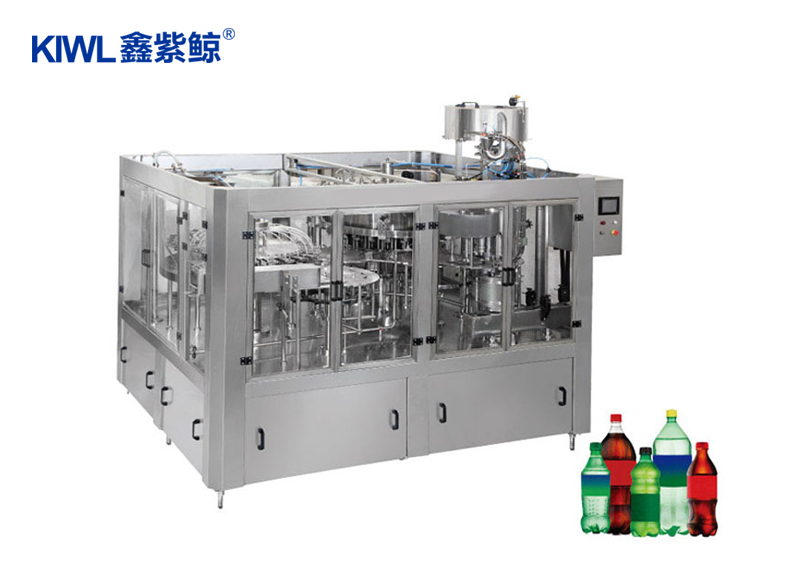
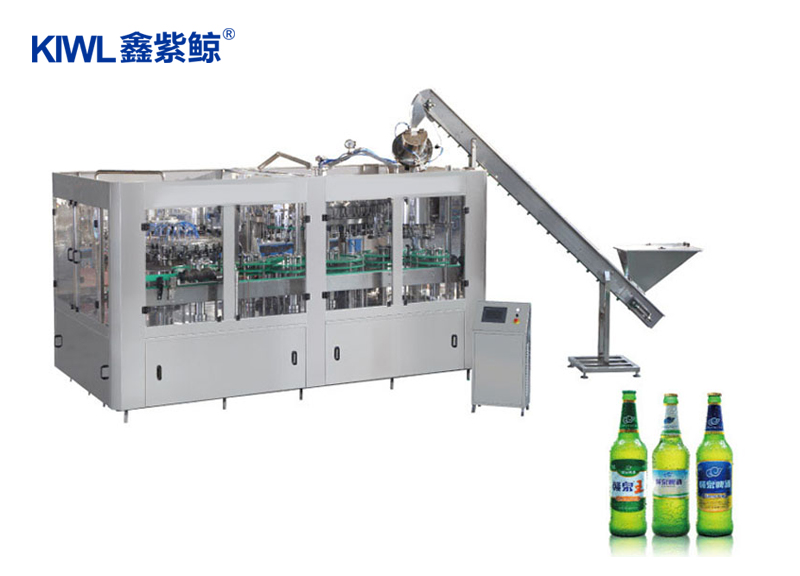
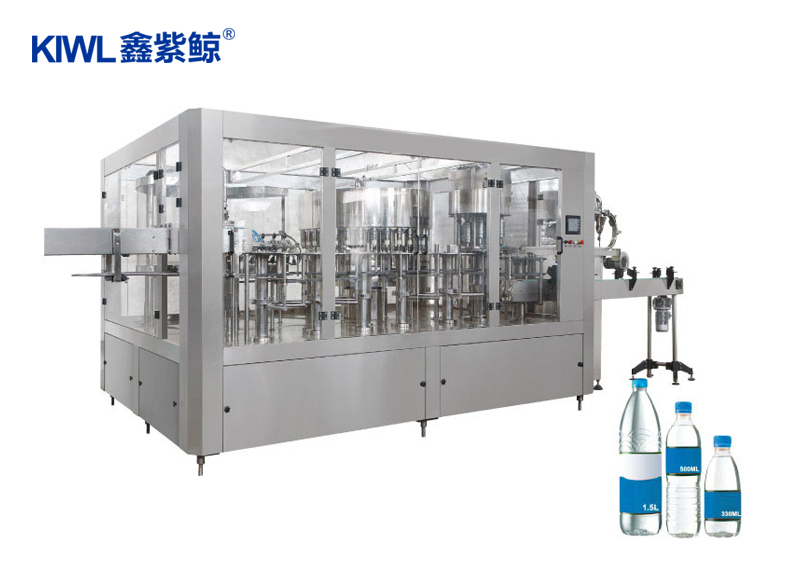
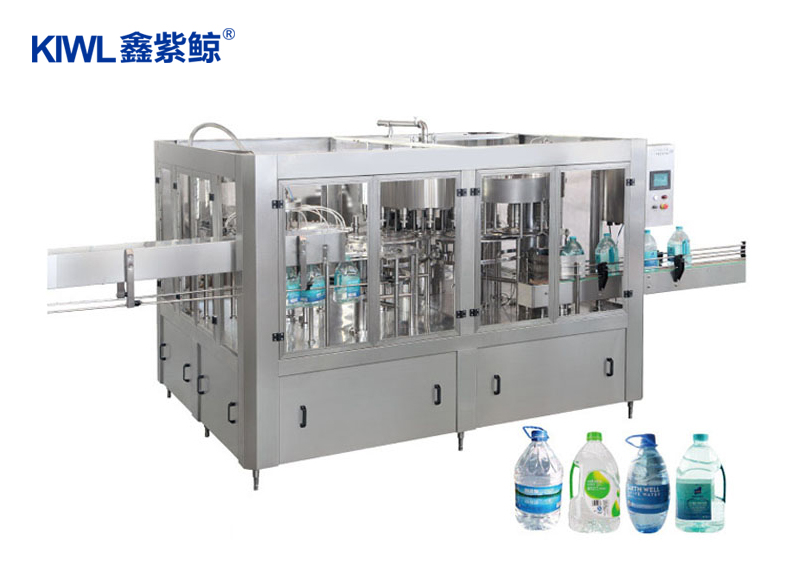
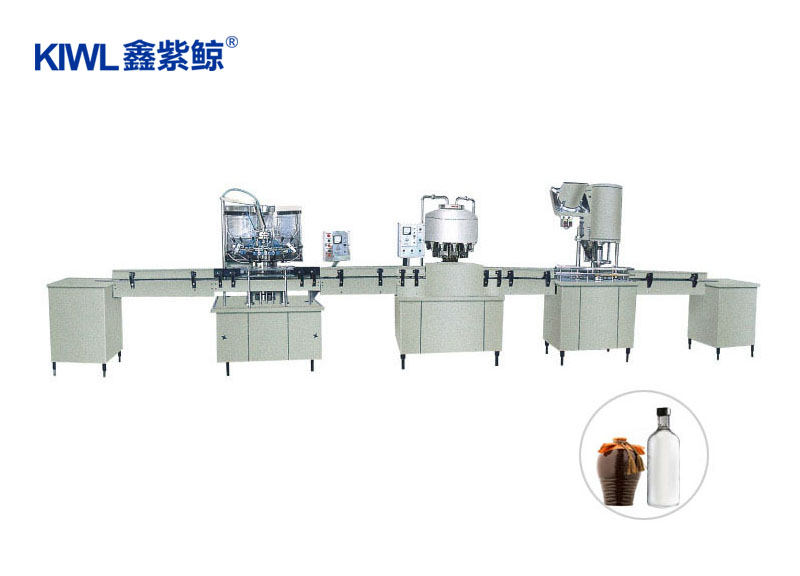
Advancements in technology have revolutionized mountain spring water bottling. Automated filling machines and robotic systems streamline production, reducing human error and increasing output capacity. These machines are equipped with sensors that monitor fill levels and detect any deviations, ensuring each bottle is filled accurately and efficiently. Moreover, automated labeling and packaging systems further enhance efficiency by minimizing downtime and optimizing workflow.
Environmental Considerations
Efficiency in bottling operations extends beyond production output to encompass environmental sustainability. Many bottling companies invest in eco-friendly practices such as lightweight bottle designs to reduce plastic usage and carbon footprint. Additionally, water treatment technologies ensure that any wastewater is treated responsibly before disposal, adhering to stringent environmental regulations.
Supply Chain Management
Efficient supply chain management is crucial in maintaining uninterrupted production flow. Just-in-time inventory systems prevent overstocking and reduce storage costs while ensuring raw materials are readily available for production. Collaborations with logistics partners further optimize distribution, delivering bottled water to consumers swiftly and efficiently.
Conclusion
In conclusion, the efficiency of mountain spring water bottling production lines hinges on a combination of technological advancements, stringent quality control measures, and sustainable practices. By embracing innovation and adhering to high standards of quality and environmental responsibility, bottling companies can meet consumer demand effectively while contributing positively to the environment. As the industry continues to evolve, maintaining and enhancing efficiency will remain a cornerstone for sustainable growth and success.
This article has explored how these elements converge to optimize efficiency in mountain spring water bottling, highlighting the importance of holistic approaches in meeting consumer expectations and regulatory requirements alike.