Understanding the Workflow of a Three-Gallon Filling Machine
-
category
-
model number
-
specs
instructions
In the realm of industrial manufacturing, efficiency and precision are paramount, especially in processes involving liquid packaging. The three-gallon filling machine stands as a testament to modern engineering, seamlessly integrating multiple stages to ensure optimal production output. This article delves into the intricate workflow of such a machine, shedding light on its operational excellence.
Operational Components and Setup
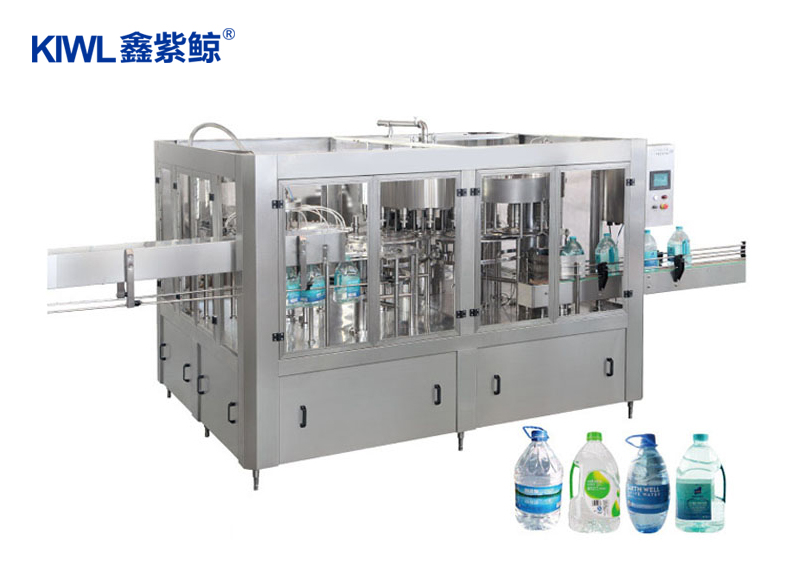
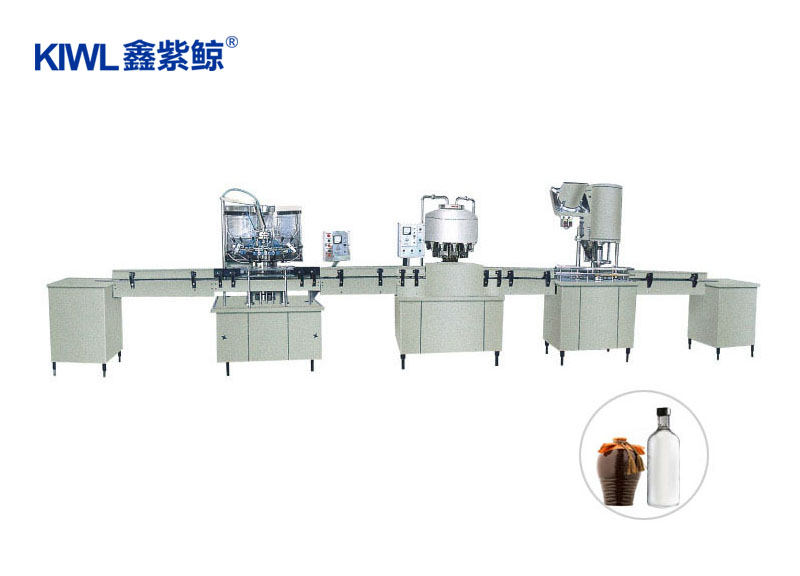
At the heart of the three-gallon filling machine lies a series of meticulously designed components. Initially, the machine is primed with empty containers, typically three-gallon bottles, positioned at the entry point. These containers undergo a rigorous cleansing process to eliminate any contaminants, guaranteeing hygiene compliance. Subsequently, they are precisely positioned under the filling nozzles, ready for the infusion of the designated liquid product.

Filling and Sealing Mechanism
Once in position, the filling mechanism commences its operation. A calibrated amount of liquid is dispensed into each container, orchestrated with acute accuracy to prevent overfilling or spillage. Simultaneously, a sealing apparatus secures the containers with caps, ensuring a leak-proof enclosure. This dual process of filling and sealing is synchronized flawlessly, maintaining a continuous workflow devoid of interruptions.
Quality Assurance and Testing Protocols
Quality assurance constitutes a pivotal stage in the workflow of the three-gallon filling machine. Each filled container undergoes meticulous scrutiny through automated sensors and human inspection. These checks encompass volume accuracy, cap tightness, and overall package integrity. Any deviations prompt immediate corrective action, underscoring the machine's commitment to uncompromised quality standards.
Conclusion
In essence, the operational prowess of a three-gallon filling machine exemplifies precision and efficiency in liquid packaging. From initial setup to final inspection, every stage epitomizes technological advancement aimed at optimizing production efficacy. Manufacturers rely on such machines not only for their mechanical reliability but also for their ability to uphold stringent quality benchmarks. As industries evolve, the role of these machines remains indispensable, ensuring consistent delivery of products that meet consumer expectations.