Innovative Design of Three-Gallon Filling Production Line
-
category
-
model number
-
specs
instructions
In the realm of industrial innovation, the design of a three-gallon filling production line stands as a testament to efficiency and modernization. This article delves into the intricacies of its creation, highlighting the pivotal advancements that enhance productivity and quality in manufacturing processes.
Revolutionizing Efficiency Through Automated Systems
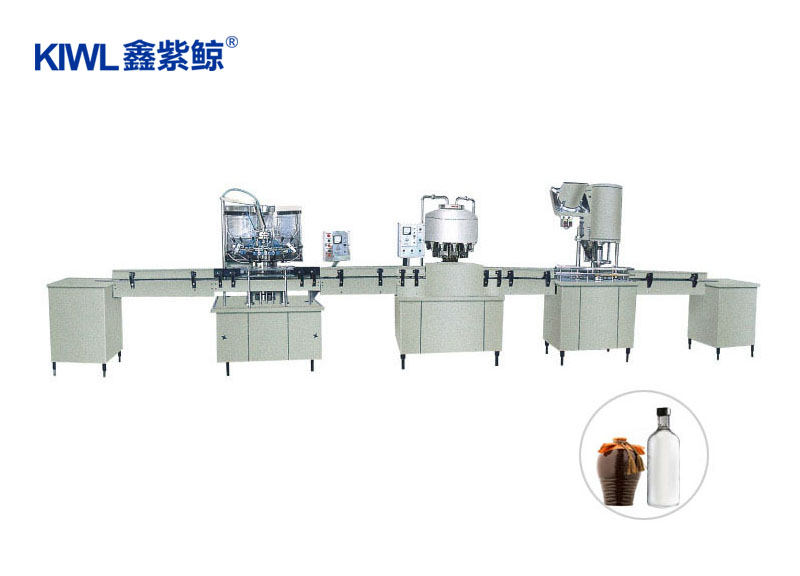
The cornerstone of the three-gallon filling production line's innovation lies in its automated systems. By integrating state-of-the-art robotics and precision engineering, manufacturers can achieve unparalleled levels of efficiency and consistency. Automated filling, capping, and labeling processes ensure minimal human intervention while maximizing output. This not only reduces labor costs but also minimizes errors, thereby enhancing overall product quality.

Precision Engineering for Enhanced Product Quality
Precision engineering plays a pivotal role in elevating product quality within the three-gallon filling production line. Components such as flow meters, valves, and sensors are meticulously calibrated to ensure accurate measurement and consistent filling levels. This level of precision not only meets regulatory standards but also satisfies consumer expectations for reliability and product integrity.
Integration of IoT and Data Analytics for Optimization
In the age of Industry 4.0, connectivity and data-driven insights are instrumental in optimizing manufacturing processes. The integration of Internet of Things (IoT) devices allows real-time monitoring of production metrics such as fill rates, downtime, and maintenance schedules. Advanced data analytics further refine these insights, identifying potential bottlenecks and inefficiencies before they impact production. This proactive approach to maintenance and process optimization maximizes uptime and operational efficiency.
Conclusion
In conclusion, the innovative design of the three-gallon filling production line represents a significant leap forward in industrial manufacturing. By leveraging automated systems, precision engineering, and IoT integration, manufacturers can achieve higher levels of efficiency, product quality, and operational insight. This not only meets the demands of modern production standards but also positions companies at the forefront of their respective industries. Embracing such technological advancements is not merely a choice but a strategic imperative for sustainable growth and competitiveness in today's dynamic market landscape.