Analysis of Three-Gallon Filling Production Line Functions
-
category
-
model number
-
specs
instructions
In the realm of industrial manufacturing, efficiency and precision are paramount. The functionality of a three-gallon filling production line plays a pivotal role in ensuring seamless operations and high-quality output. This article delves into the intricate features and capabilities that define such a system.
Automated Filling Process
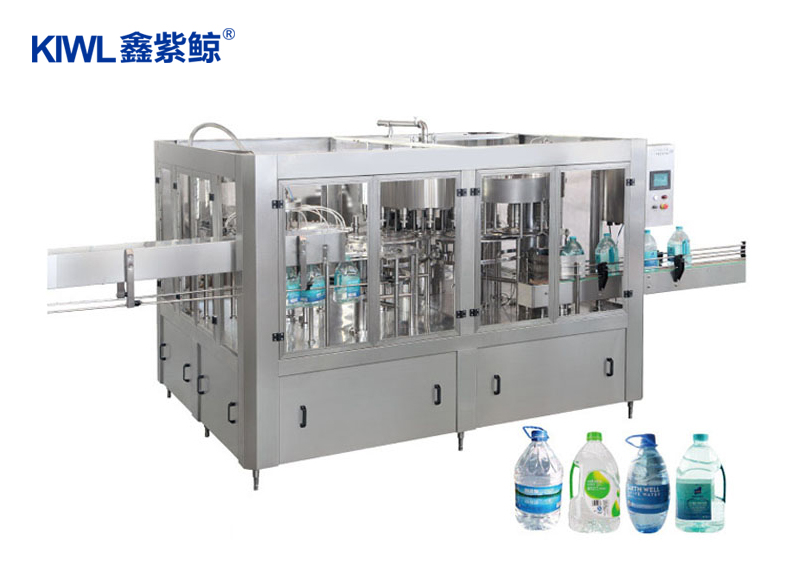
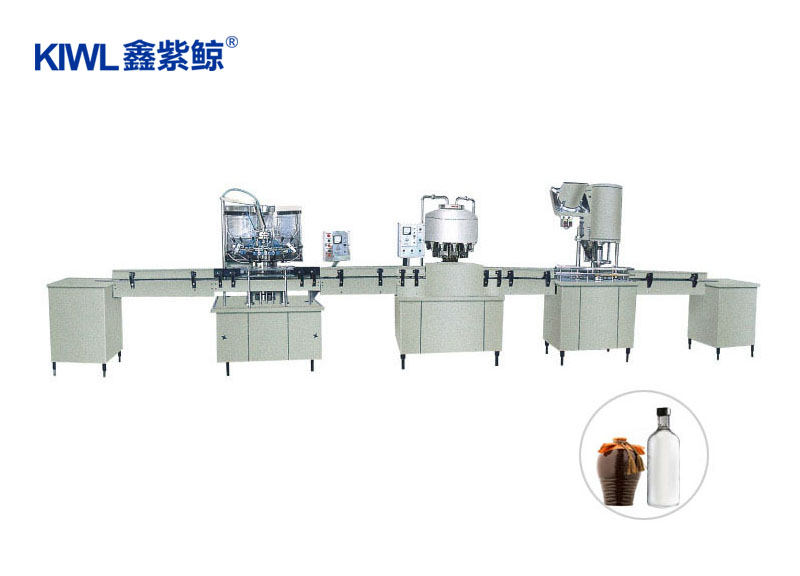
The core function of a three-gallon filling production line lies in its ability to automate the filling process with exceptional accuracy. Equipped with advanced sensors and programmable logic controllers (PLCs), these systems ensure that each container receives the precise amount of liquid. This automation not only reduces human error but also enhances productivity by facilitating continuous operation without compromising on quality.

Versatility in Container Handling
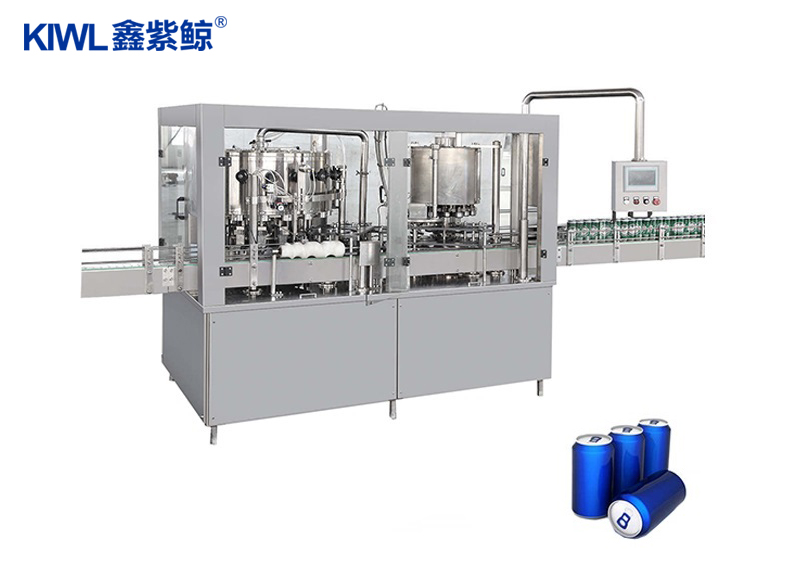
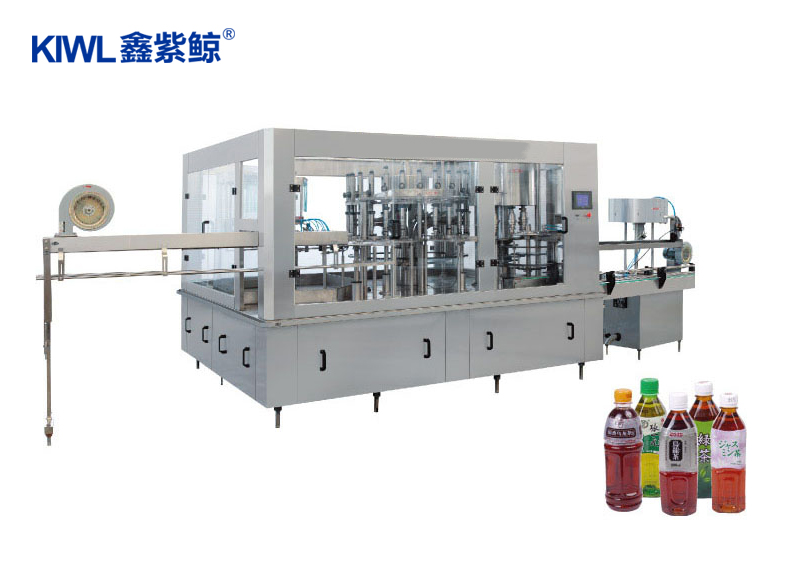
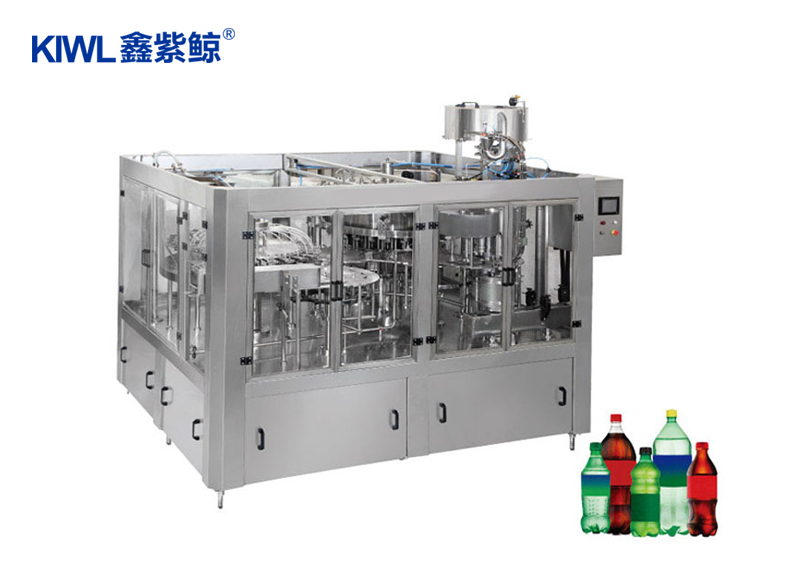
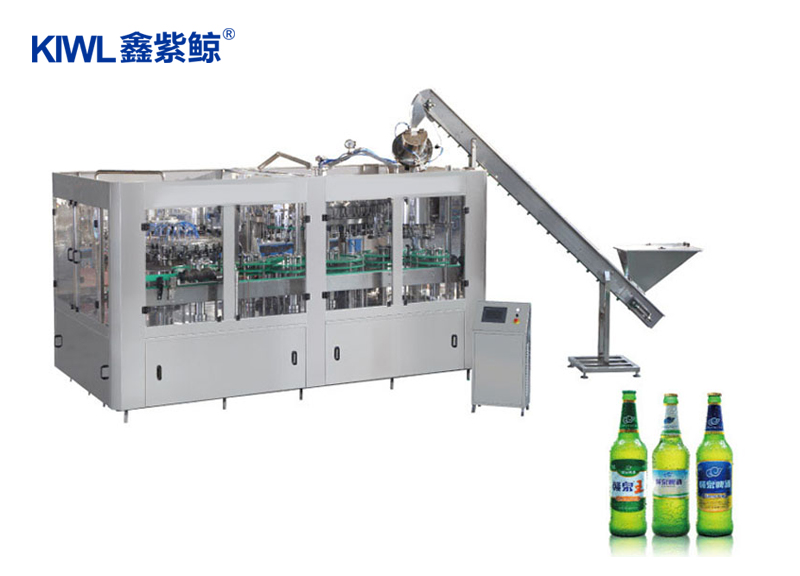
Another critical aspect of these production lines is their versatility in handling various types of containers. Whether it's plastic bottles, metal cans, or glass jars, the system can be adjusted to accommodate different shapes and sizes. This adaptability is achieved through modular design elements such as adjustable conveyor belts, robotic arms, and customizable filling nozzles, ensuring seamless integration into diverse manufacturing environments.
Integrated Quality Control Mechanisms
Ensuring product quality is non-negotiable in manufacturing, and three-gallon filling production lines incorporate robust quality control mechanisms. From initial container sterilization to final sealing and labeling, each stage is meticulously monitored. Automated sensors detect inconsistencies in filling levels or container integrity, triggering immediate corrective actions. This proactive approach not only minimizes wastage but also upholds stringent quality standards mandated by regulatory bodies and consumer expectations.
Conclusion
In conclusion, the functionality of a three-gallon filling production line exemplifies precision engineering tailored for modern manufacturing needs. Through automated filling processes, versatile container handling capabilities, and integrated quality control mechanisms, these systems optimize efficiency while maintaining uncompromised product integrity. As industries evolve, embracing such advanced technologies not only enhances operational efficiency but also ensures consistent delivery of high-quality products to the market. The evolution of these production lines continues to redefine manufacturing standards, underscoring their indispensable role in the journey towards industrial excellence.