Key Steps for Optimal Use of Hawthorn Juice Filling Machine
-
category
-
model number
-
specs
instructions
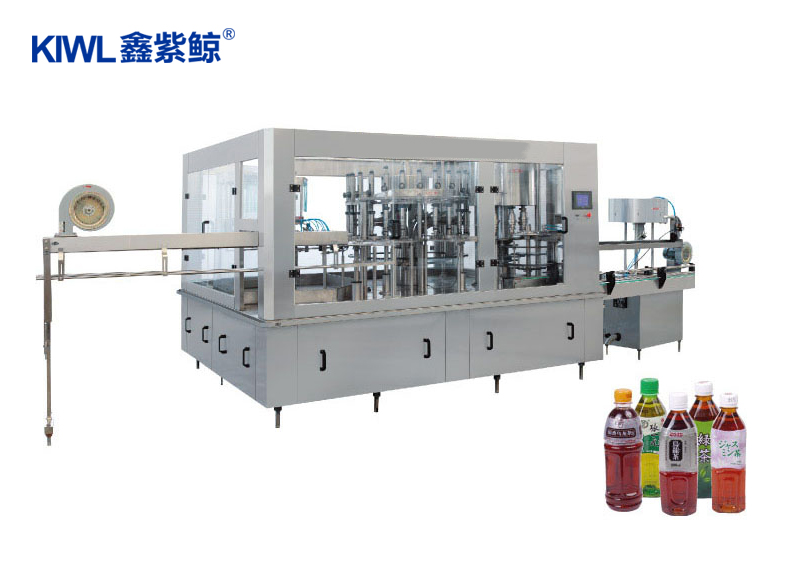
In the realm of beverage production, efficiency and quality are paramount. The proper utilization of a hawthorn juice filling machine ensures smooth operations and high product standards. This article outlines essential guidelines to maximize the effectiveness of this equipment.
Understanding Equipment Specifications
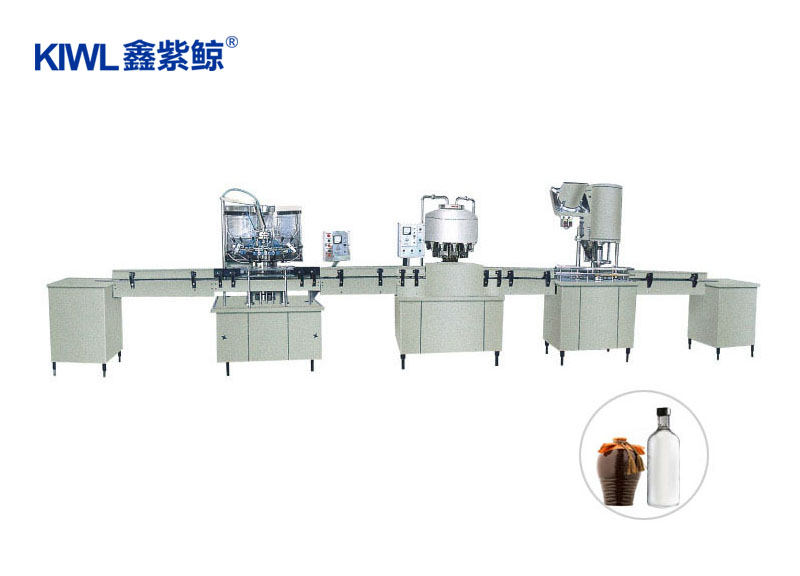
Before operating the hawthorn juice filling machine, it is crucial to comprehend its specifications thoroughly. Manufacturers provide detailed manuals that specify the machine's capacity, speed, and compatible bottle types. Familiarizing oneself with these specifications ensures seamless integration into the production line, minimizing downtime and maximizing output.

Preparing the Production Environment
Creating an optimal production environment is essential for the efficient operation of the filling machine. Ensure the workspace is clean, well-lit, and properly ventilated. Proper sanitation protocols should be followed to prevent contamination, safeguarding product integrity. Additionally, organize raw materials and packaging components in close proximity to the machine to streamline the filling process.
Machine Setup and Calibration
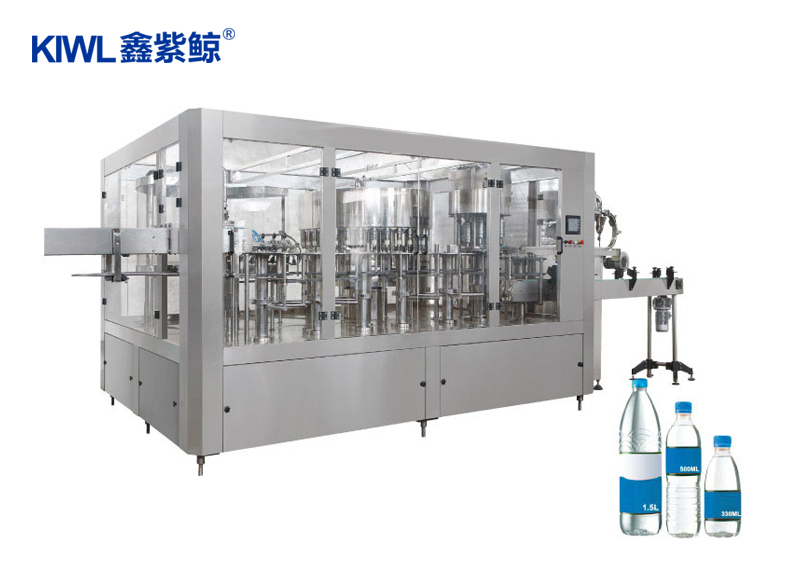
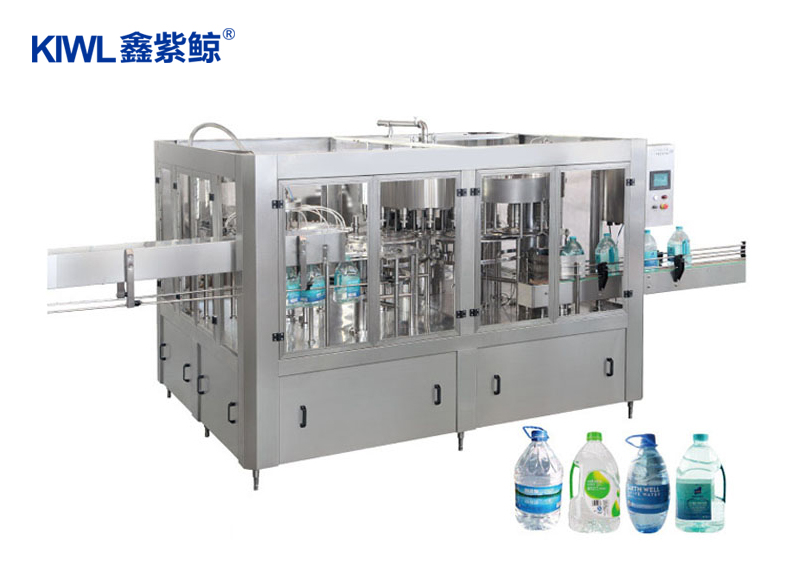
Accurate setup and calibration are pivotal for achieving consistent filling accuracy. Begin by installing the appropriate filling nozzles and adjusting them according to the bottle specifications. Conducting trial runs with water or a non-hazardous liquid helps fine-tune settings for precise volume control. Regularly calibrate the machine to maintain optimal performance, adhering to manufacturer guidelines for lubrication and maintenance schedules.
Ensuring Operational Efficiency
During operation, monitor the hawthorn juice filling machine closely to identify any irregularities promptly. Maintain steady input of raw materials to prevent interruptions in production. Address minor issues such as nozzle clogging or misalignment immediately to prevent downtime. Implementing routine inspections and preventive maintenance schedules enhances equipment longevity and minimizes unexpected breakdowns.
Conclusion
Optimizing the use of a hawthorn juice filling machine requires meticulous attention to detail and adherence to operational best practices. By understanding equipment specifications, preparing a conducive production environment, and maintaining rigorous calibration and operational efficiency, producers can uphold high-quality standards while maximizing output. Investing time and resources in proper training and regular maintenance pays dividends in prolonged equipment lifespan and consistent product excellence.
By following these guidelines, beverage manufacturers can leverage the capabilities of the hawthorn juice filling machine to meet consumer demand effectively and sustainably in today's competitive market landscape.