Designing an Efficient Tea Beverage Filling Line
-
category
-
model number
-
specs
instructions
In the competitive world of beverage production, an efficient tea beverage filling line can make a significant difference in operational success. Tea, being one of the most popular and widely consumed beverages globally, demands high precision and efficiency in its production process. Designing a filling line that enhances productivity while maintaining the highest quality standards is essential for any tea beverage manufacturer. This article explores the critical aspects of designing an efficient tea beverage filling line and offers insights into optimizing various components to achieve the best results.
1. Understanding the Components of a Tea Beverage Filling Line
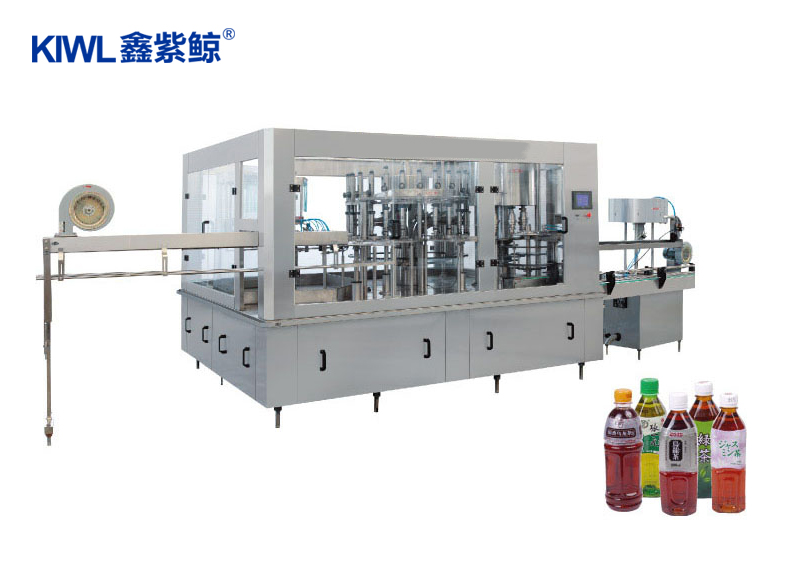
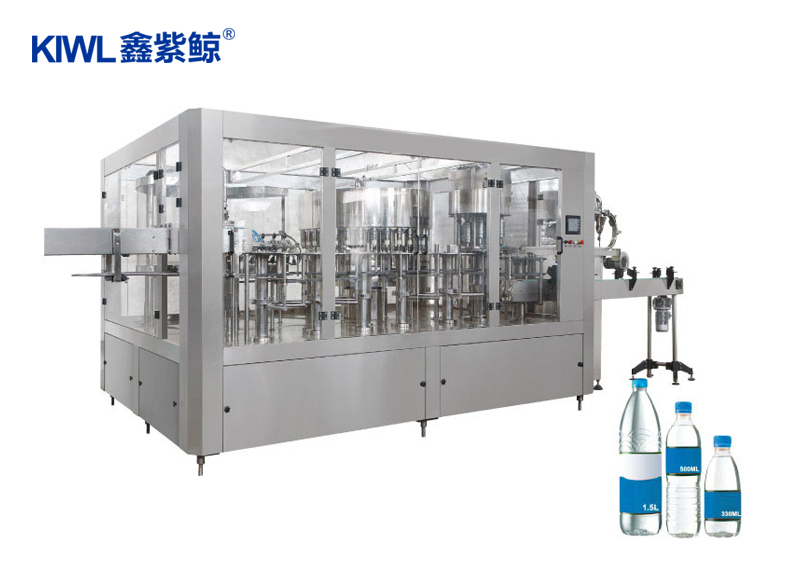
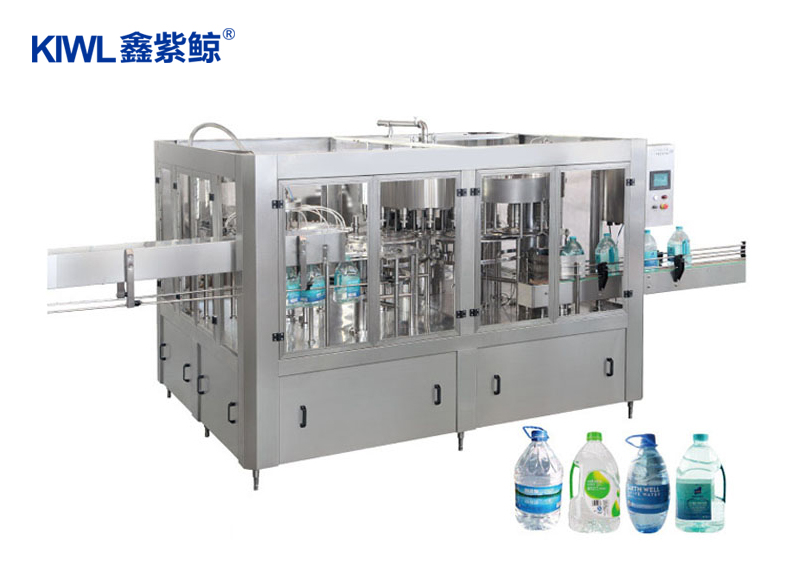
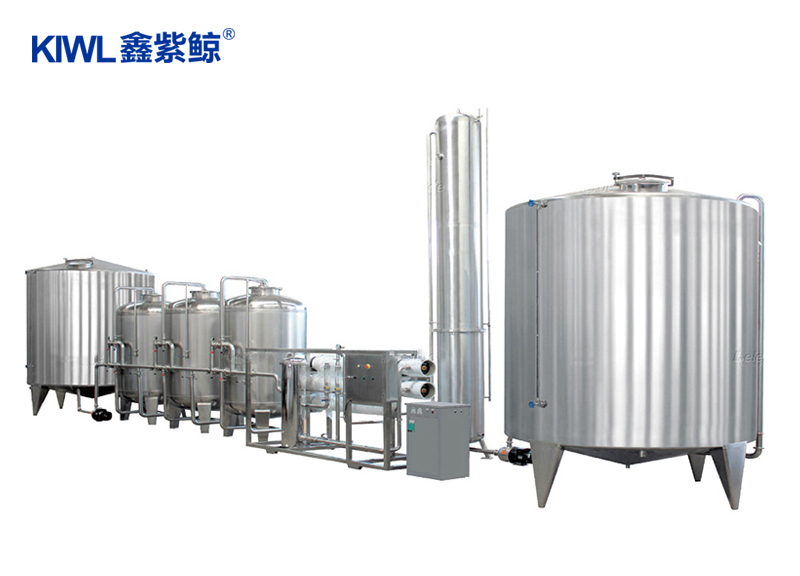
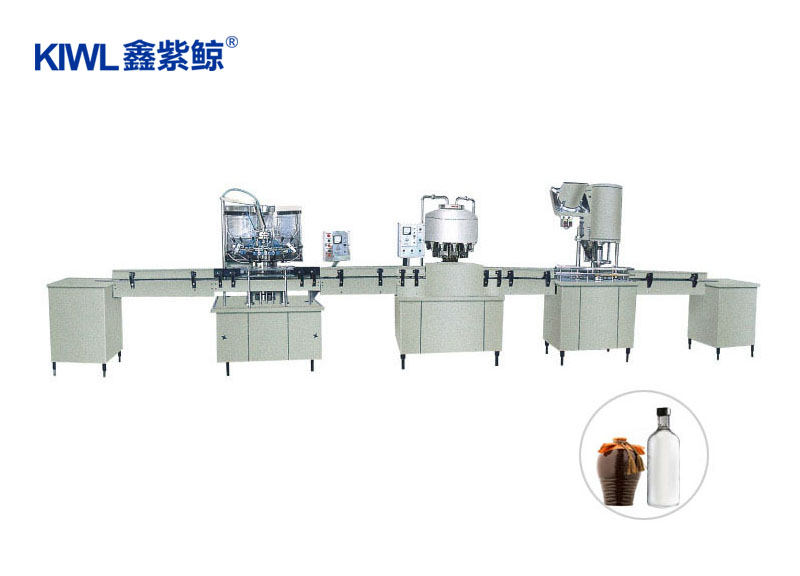
A well-designed tea beverage filling line integrates several key components to ensure smooth operation. These components include the preparation station, filling machines, capping systems, and labeling units. The preparation station involves mixing and blending tea with other ingredients, ensuring the beverage's taste and quality. The filling machines then transfer the tea into bottles or containers, while the capping systems securely seal them. Finally, labeling units apply the necessary labels, including nutritional information and branding.
Each component must be selected and configured based on the specific needs of the tea beverage being produced. For instance, the filling machine should be capable of handling the viscosity and temperature of the tea, while the capping system must accommodate different cap types and sizes. Proper integration and alignment of these components are crucial for minimizing downtime and maintaining a consistent production flow.
2. Enhancing Efficiency Through Automation and Technology
Automation plays a pivotal role in modern tea beverage filling lines. Incorporating advanced technology can significantly boost efficiency, reduce labor costs, and improve overall production quality. Automated systems for filling, capping, and labeling streamline the process, minimizing human error and increasing throughput.
Modern filling lines use sensors and control systems to monitor and adjust parameters in real-time, ensuring that each bottle is filled to the correct level and sealed properly. Automated cleaning systems also help maintain hygiene standards and reduce downtime associated with manual cleaning. Additionally, integrating data analytics allows manufacturers to track performance metrics, identify bottlenecks, and make data-driven decisions to further optimize the filling line.
3. Ensuring Quality Control and Compliance
Quality control is a critical aspect of any tea beverage filling line. Ensuring that the final product meets regulatory standards and consumer expectations requires rigorous testing and inspection throughout the production process. Implementing quality control measures such as inline inspection systems can detect and address issues such as leaks, fill levels, and label placement in real-time.
Compliance with industry standards and regulations is also essential. Tea beverage manufacturers must adhere to food safety regulations, including those related to sanitation, ingredient labeling, and packaging. Regular maintenance and calibration of equipment are necessary to meet these standards and avoid potential issues.
In conclusion, designing an efficient tea beverage filling line involves careful consideration of the components, integration of automation and technology, and rigorous quality control measures. By focusing on these aspects, manufacturers can achieve higher productivity, better product quality, and greater operational efficiency. As the demand for tea continues to grow, investing in a well-designed filling line is crucial for staying competitive and meeting market expectations.