Essential Operation Points for Fruit Beverage Filling Machines
-
category
-
model number
-
specs
instructions
Fruit beverage filling machines play a crucial role in the food and beverage industry. These machines ensure the efficient and hygienic packaging of fruit drinks, preserving their freshness and extending shelf life. Understanding the key operational aspects of these machines is essential for maintaining optimal performance and ensuring product quality. This guide provides an overview of the critical points to consider when operating fruit beverage filling machines.
1. Understanding Machine Components and Functions
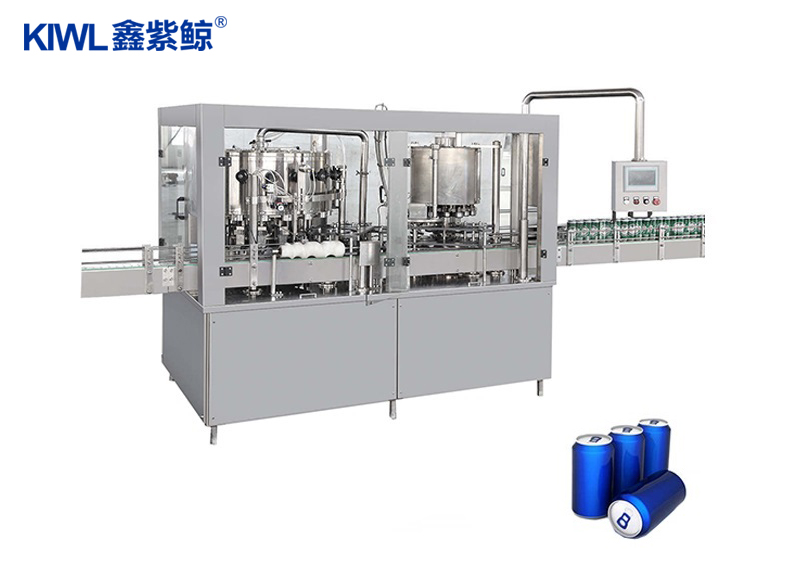
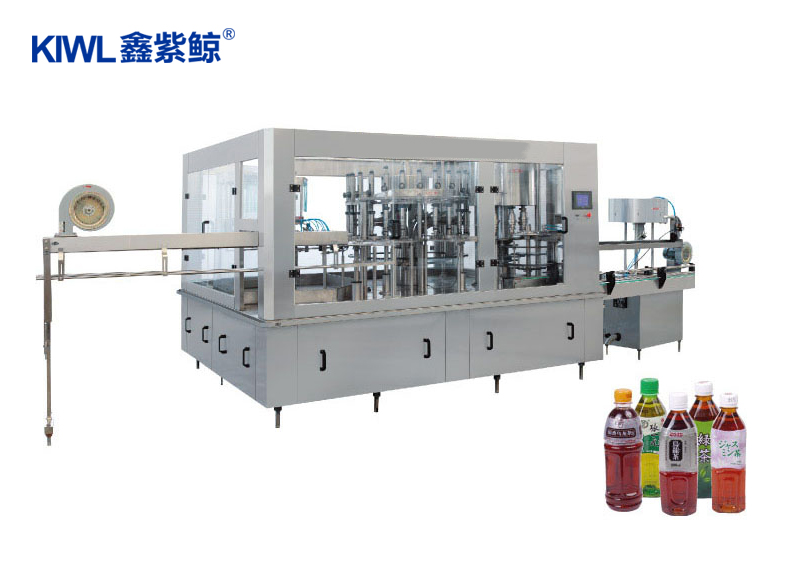
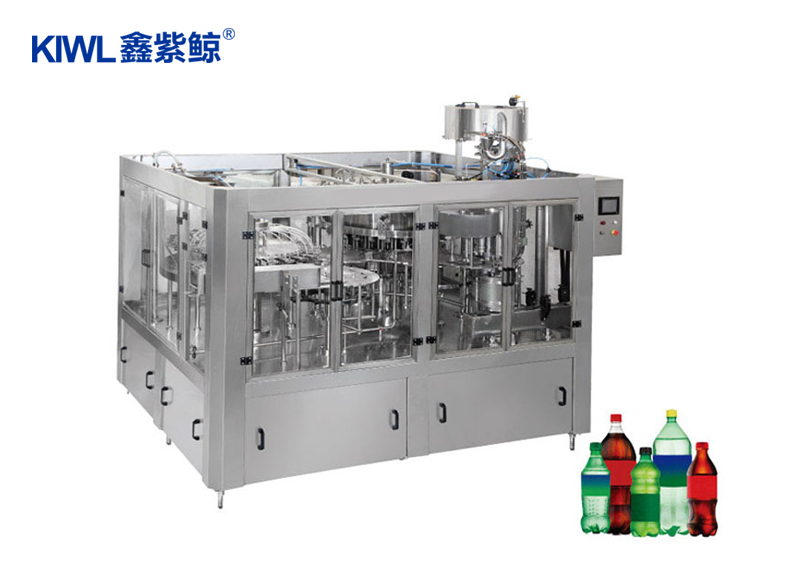
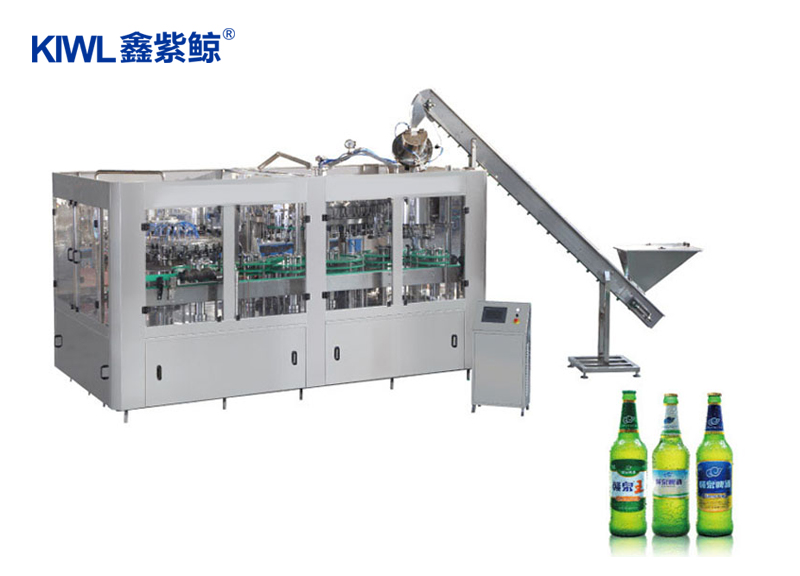
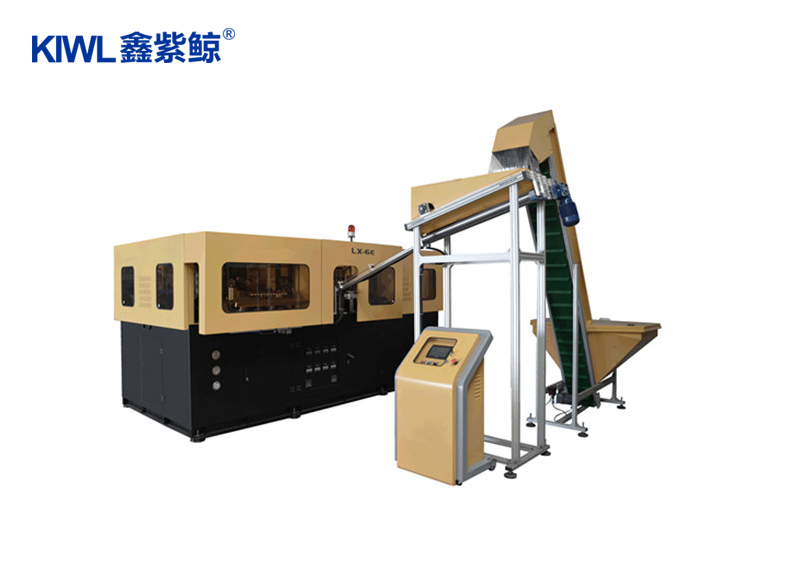
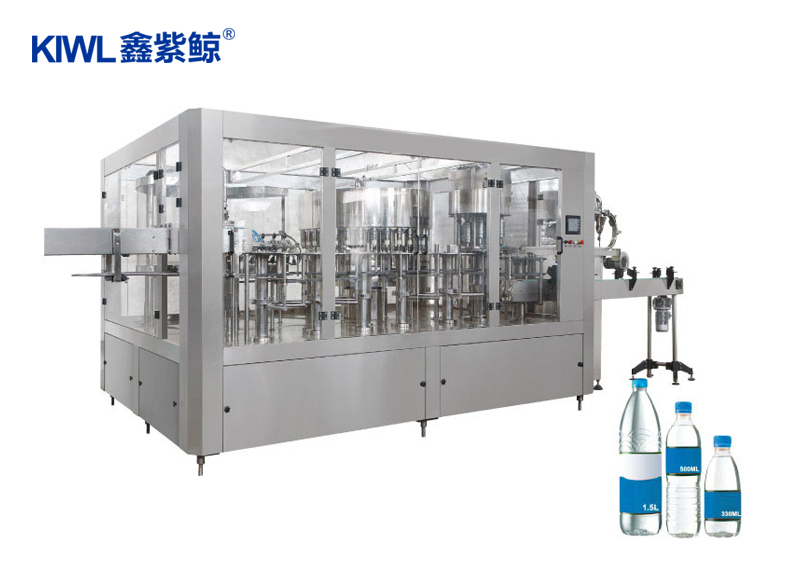
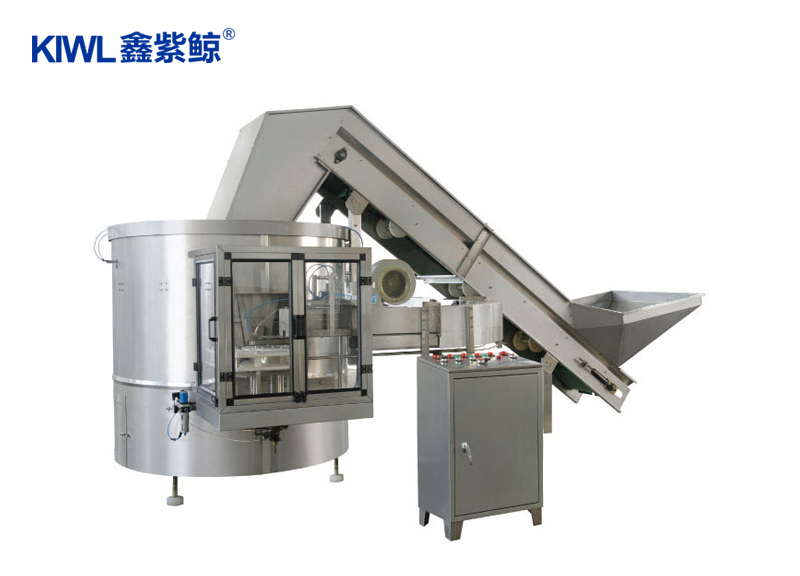
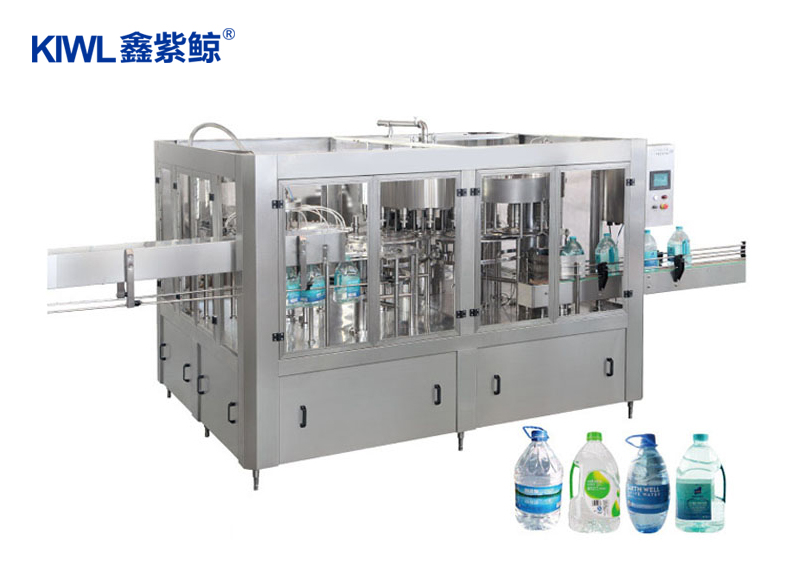
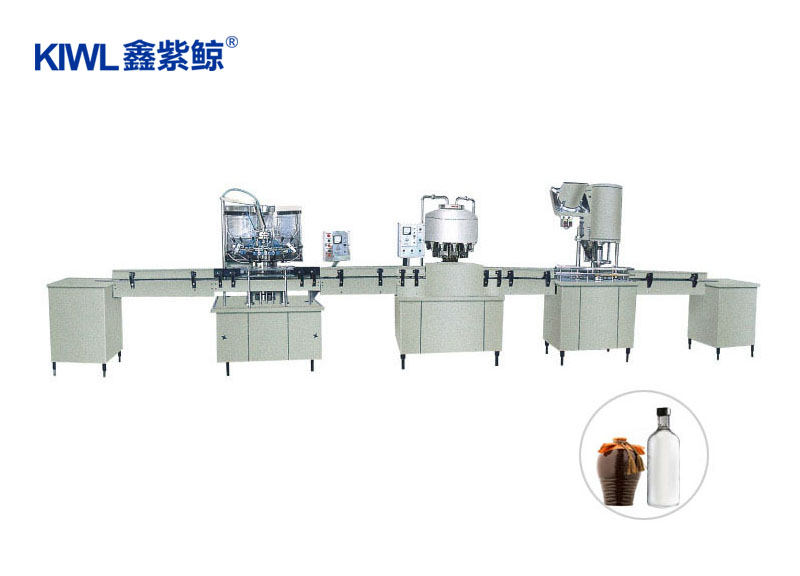
Before operating a fruit beverage filling machine, it is vital to familiarize yourself with its components and functions. These machines typically include a hopper for storing the beverage, a filling mechanism that dispenses the liquid into containers, and a capping system that seals the bottles or cartons. The machine may also feature a conveyor belt for moving containers through different stages of the filling process.
Proper knowledge of each component’s role will help operators troubleshoot issues effectively and ensure smooth machine operation. Regular maintenance and checks are necessary to keep these parts functioning correctly. For instance, the filling nozzles must be cleaned regularly to prevent clogging and contamination.
2. Proper Setup and Calibration
Setting up and calibrating the fruit beverage filling machine correctly is crucial for achieving accurate and consistent filling results. Initially, ensure that the machine is installed on a stable surface and that all connections are secure. It is important to adjust the filling volume according to the specifications of the containers used.

Calibration involves setting the machine to dispense the correct amount of beverage into each container. This step often requires adjusting the filling speed, volume, and pressure settings. Regular calibration checks are recommended to maintain the accuracy of the filling process and prevent wastage or underfilling.
3. Ensuring Hygiene and Quality Control
Maintaining hygiene is paramount when operating fruit beverage filling machines. The filling process must be conducted in a clean environment to avoid contamination. Operators should follow strict sanitation procedures, including regular cleaning and disinfecting of all machine parts that come into contact with the beverage.
Quality control is another essential aspect. Operators should regularly inspect the filled containers for consistency in volume and check for any defects in the packaging. This involves monitoring the sealing process to ensure that the containers are properly sealed, preventing leakage and preserving the beverage’s quality.
Conclusion
In summary, operating a fruit beverage filling machine efficiently requires a comprehensive understanding of its components, precise setup and calibration, and strict adherence to hygiene and quality control practices. By focusing on these key areas, operators can ensure that the filling process remains smooth and that the final product meets high standards of quality and safety. Regular maintenance and monitoring are also crucial for the long-term success of the operation.