Water Filling Machine Operation Tips: Enhance Efficiency and Safety
-
category
-
model number
-
specs
instructions
Operating a water filling machine efficiently requires a combination of technical knowledge and practical skills. This article aims to provide a comprehensive guide on how to operate a water filling machine effectively, ensuring optimal performance and safety.
Understanding Machine Components and Controls
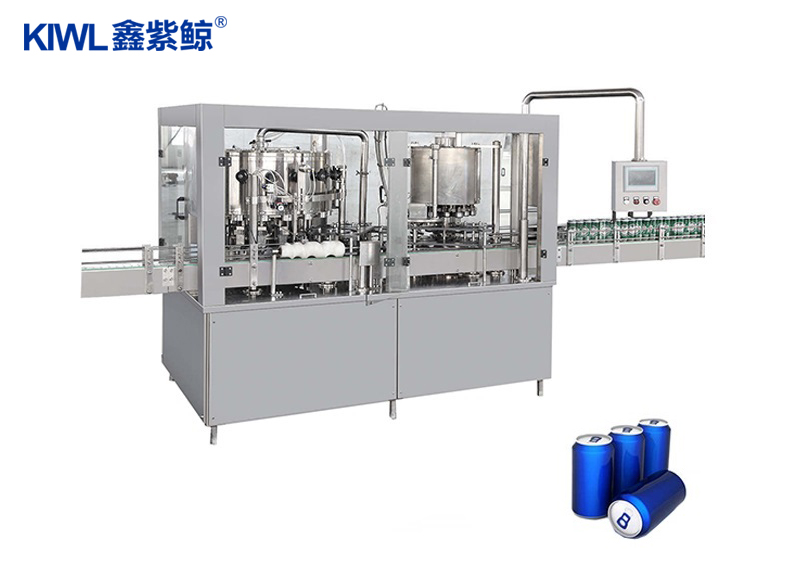
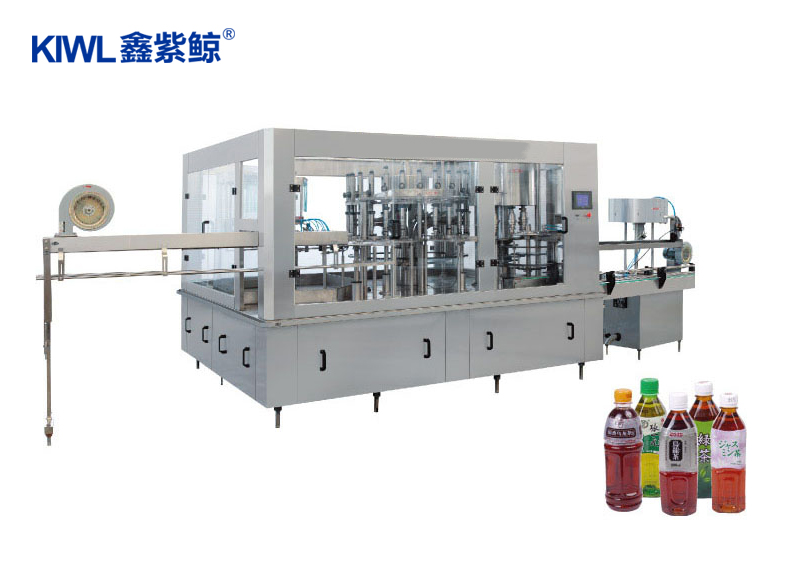
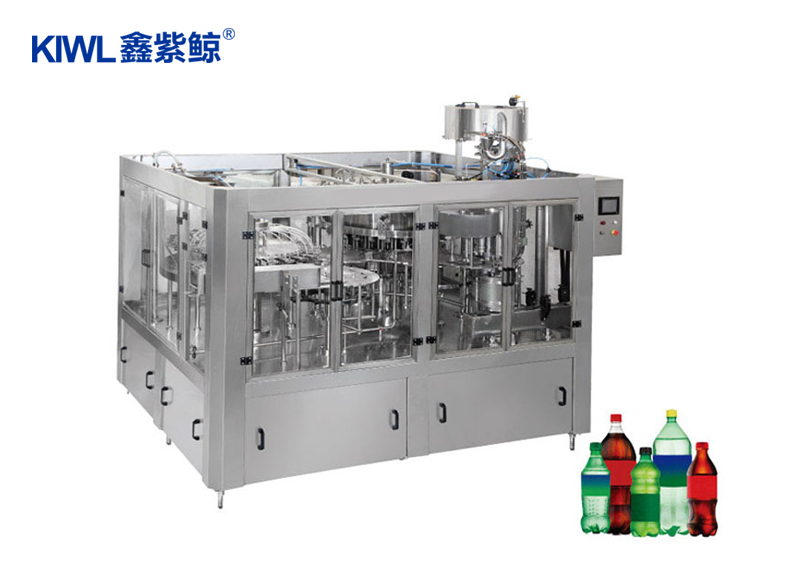
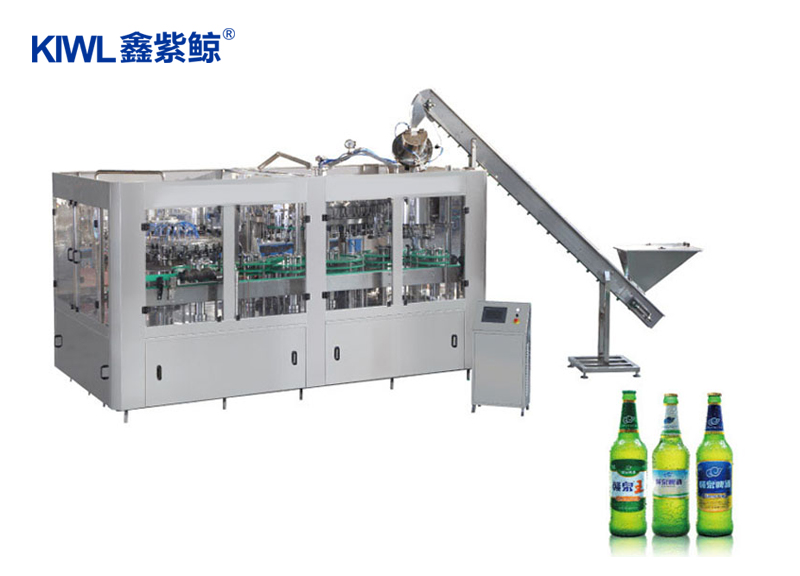
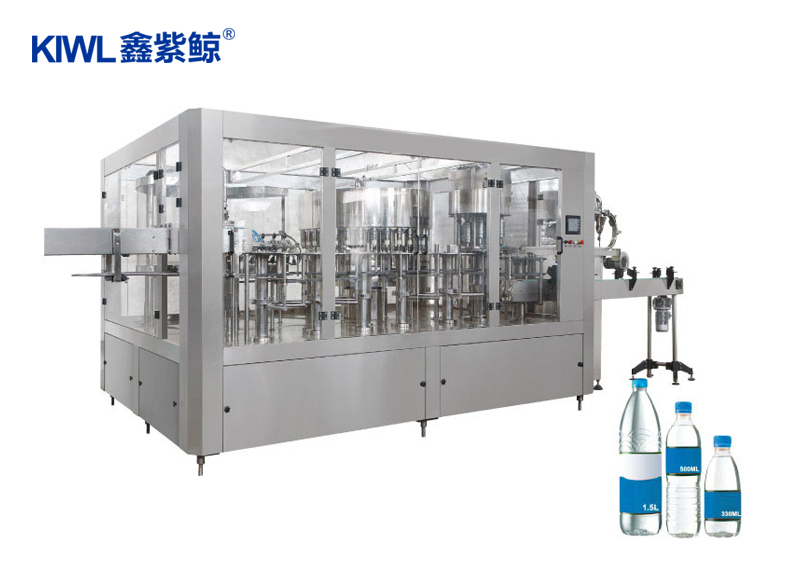
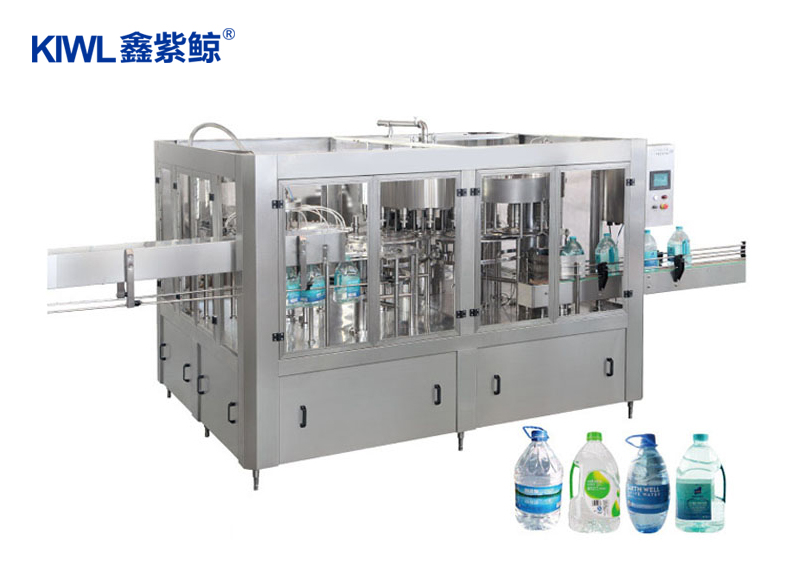
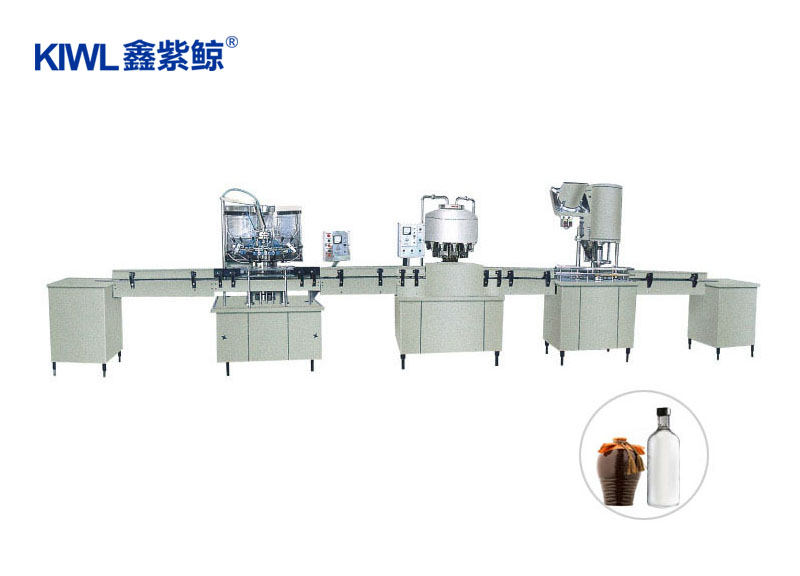
Before starting the operation, familiarize yourself with the key components and controls of the water filling machine. Typically, these machines consist of a conveyor belt, filling nozzles, sensors, and control panels. The conveyor belt transports the bottles to be filled, while the filling nozzles dispense the water accurately. Sensors ensure that bottles are properly positioned, and the control panel allows operators to monitor and adjust settings such as fill volume and speed.

Steps for Efficient Operation
1. Preparation and Setup: Begin by inspecting the machine for any visible damage or malfunctions. Ensure that all components are clean and sanitized to maintain hygiene standards. Set up the machine according to the type and size of bottles to be filled.
2. Startup Procedure: Start the machine following the manufacturer's guidelines. Activate the conveyor belt and adjust its speed to match the production rate. Check the filling nozzles for proper alignment and functionality.
3. Monitoring and Adjustment: Throughout the operation, monitor the machine's performance closely. Adjust the fill volume and conveyor speed as needed to maintain consistency in filling levels and prevent spills. Respond promptly to any alarms or sensor alerts to avoid downtime.
Safety Protocols and Maintenance
Safety is paramount when operating a water filling machine. Always wear appropriate protective gear, such as gloves and safety goggles, especially when handling chemicals for cleaning. Regularly inspect and maintain the machine to prevent breakdowns and ensure longevity. Follow manufacturer-recommended maintenance schedules for tasks such as lubrication, part replacement, and calibration.
Conclusion
In conclusion, mastering the operation of a water filling machine involves understanding its components, following proper startup procedures, and prioritizing safety and maintenance. By adhering to these guidelines, operators can enhance efficiency, minimize downtime, and ensure the consistent quality of filled bottles. Implementing these tips not only optimizes production but also contributes to a safe working environment. Whether you're new to operating such machinery or looking to improve your skills, these insights will help you navigate the complexities of water filling machine operation effectively.