Introduction to Water Filling Machine Supply Chain
-
category
-
model number
-
specs
instructions
In the realm of industrial manufacturing, the supply chain for water filling machines plays a crucial role in ensuring efficiency and quality across various stages of production. From sourcing raw materials to delivering finished products, each step in this supply chain contributes to meeting consumer demand for clean and safe drinking water.
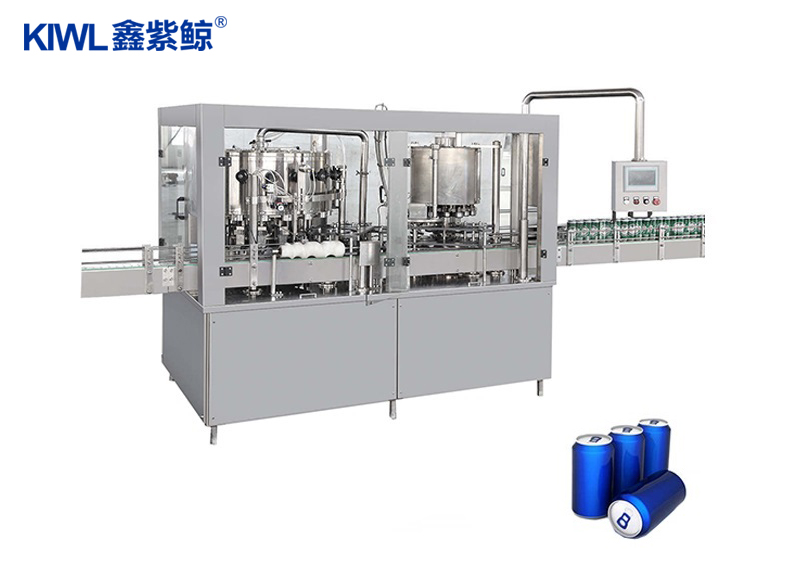
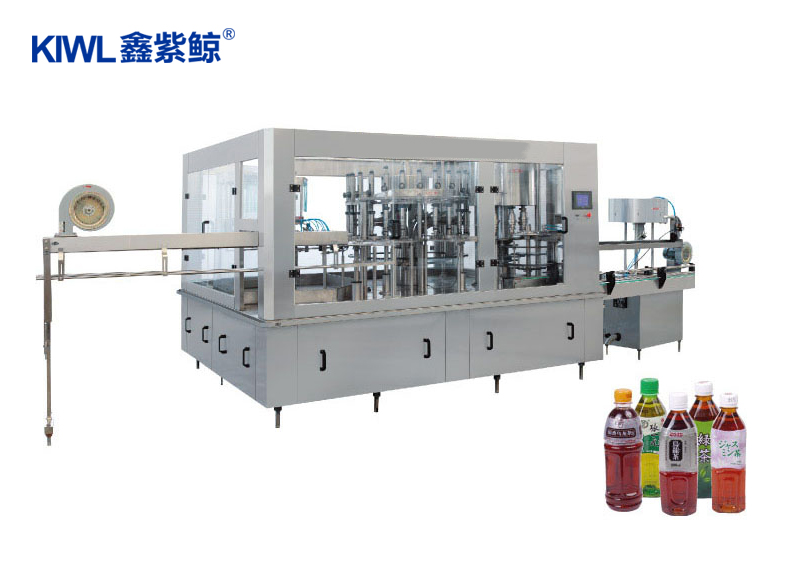
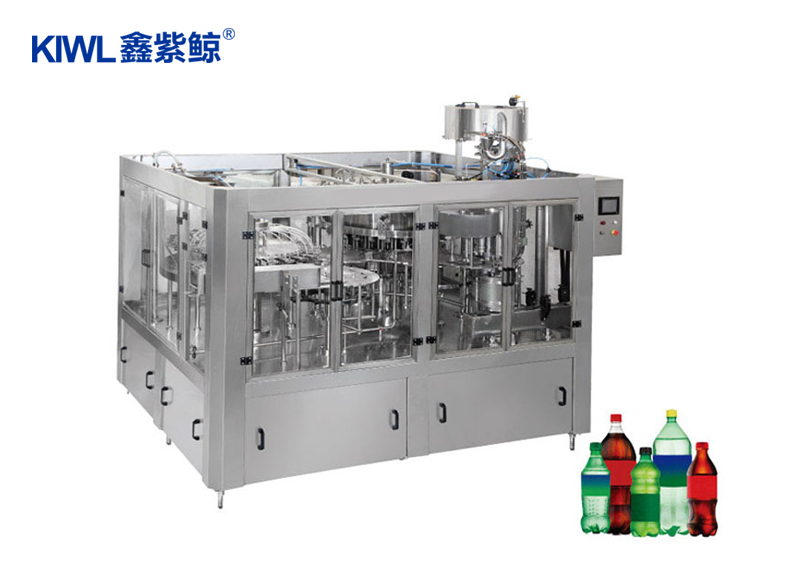
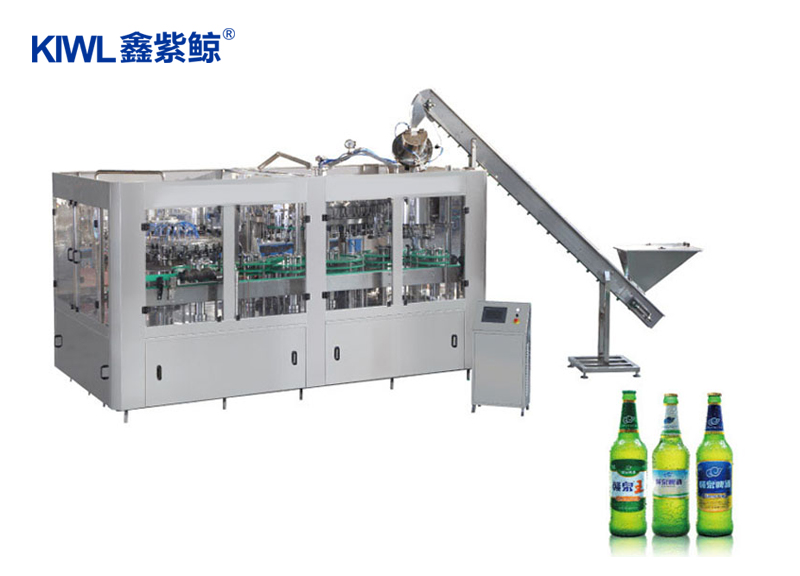
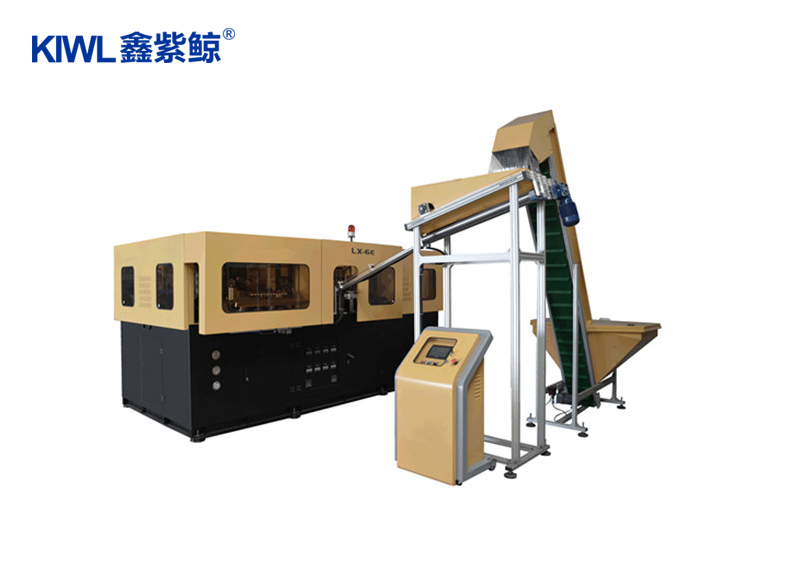
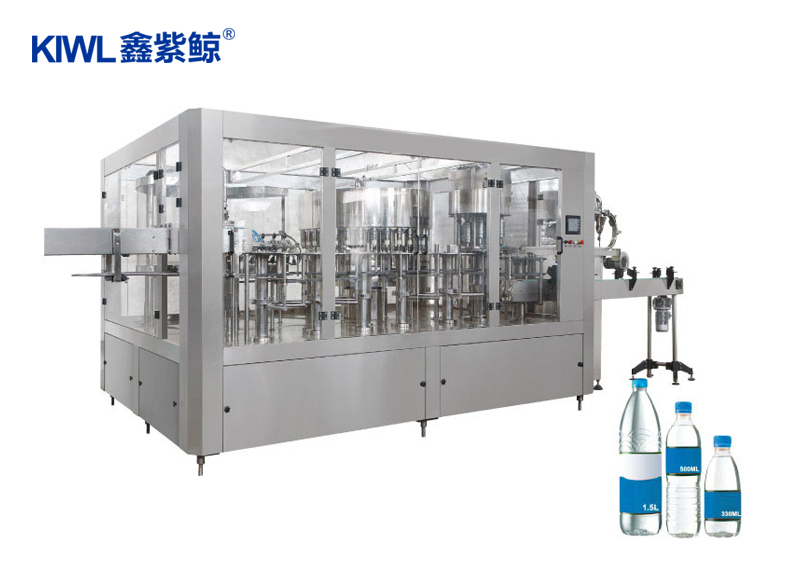
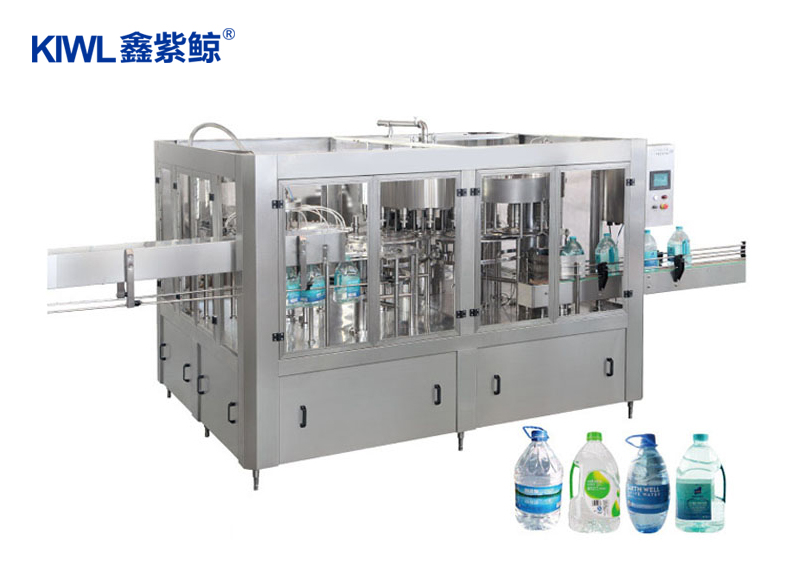
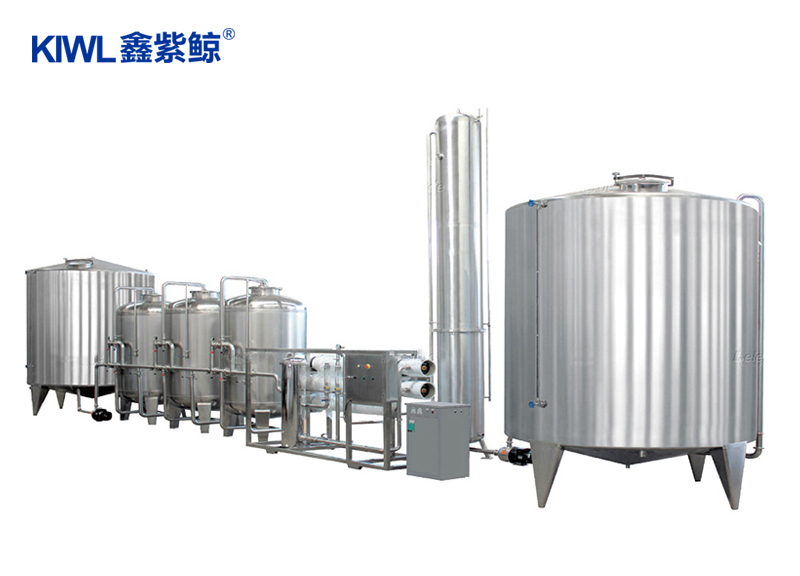
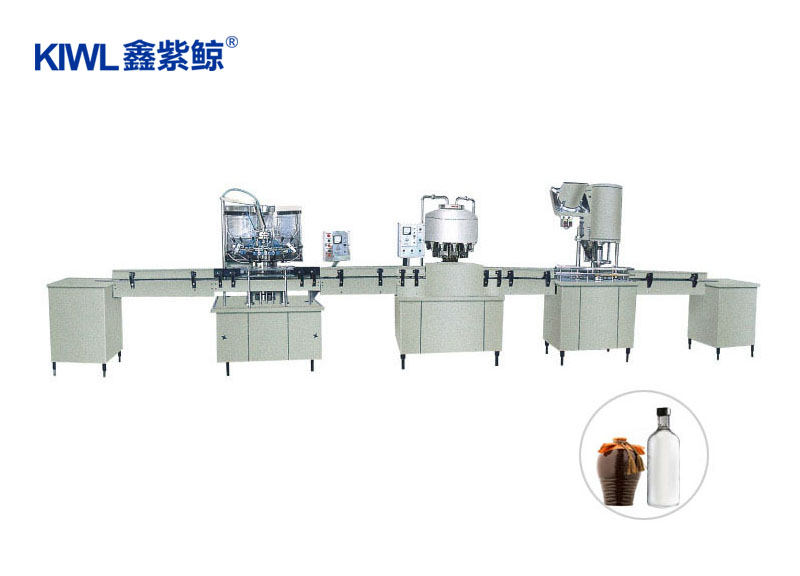
Water filling machines are essential in bottling facilities where precision and hygiene are paramount. These machines are designed to handle the intricate process of filling, capping, and labeling bottles at high speeds, ensuring productivity while maintaining product integrity. The supply chain supporting these machines encompasses multiple stakeholders, each specializing in different aspects crucial to the final product.

Raw Material Sourcing and Quality Control
Raw Material Acquisition
The supply chain begins with the sourcing of raw materials such as stainless steel for machine components, food-grade plastics for bottling parts, and electronic components for automation systems. Suppliers must adhere to strict quality standards to ensure that materials meet regulatory requirements and uphold product safety.
Manufacturing and Assembly
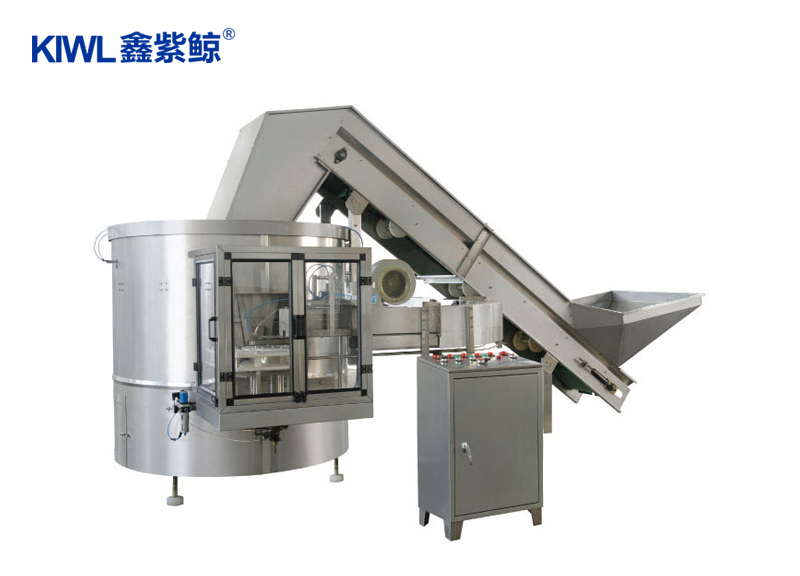
Once materials are procured, manufacturing and assembly take center stage. Specialized manufacturers fabricate machine components according to precise engineering specifications. Assembly plants then integrate these components into functional water filling machines, incorporating advanced technologies like PLC control systems and automated filling mechanisms.
Distribution and Logistics
Logistics Management
Efficient logistics management is critical in delivering water filling machines to global markets. Distribution centers strategically located near major transportation hubs streamline the process of shipping and handling, minimizing transit times and optimizing inventory management. Real-time tracking systems ensure that machines reach customers promptly and in pristine condition.
Conclusion
In conclusion, the water filling machine supply chain is a complex network involving raw material suppliers, manufacturers, and logistics experts, all collaborating to deliver high-quality equipment to bottling facilities worldwide. By focusing on quality control, precision manufacturing, and efficient logistics, this supply chain not only meets industry standards but also contributes to the global availability of safe drinking water. Understanding and optimizing each stage of this supply chain is crucial for sustaining operational excellence and meeting the evolving demands of the beverage industry.