Comprehensive Guide to Evaluating Water Filling Equipment
-
category
-
model number
-
specs
instructions
When assessing water filling equipment for your business, it's crucial to consider several key factors to ensure you invest in machinery that meets your needs effectively. Proper evaluation not only maximizes efficiency but also enhances product quality and operational reliability. This guide outlines essential aspects to evaluate, helping you make an informed decision when selecting the right water filling equipment for your operations.
1. Understanding the Types of Water Filling Equipment
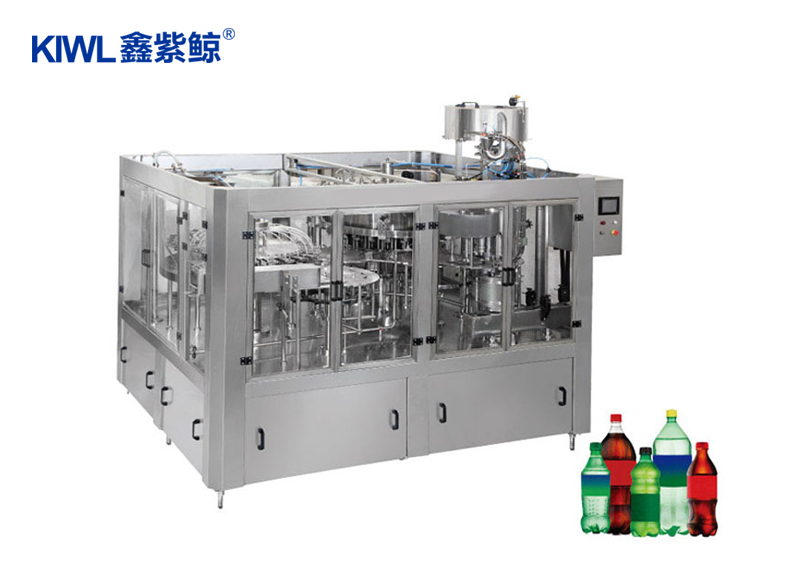
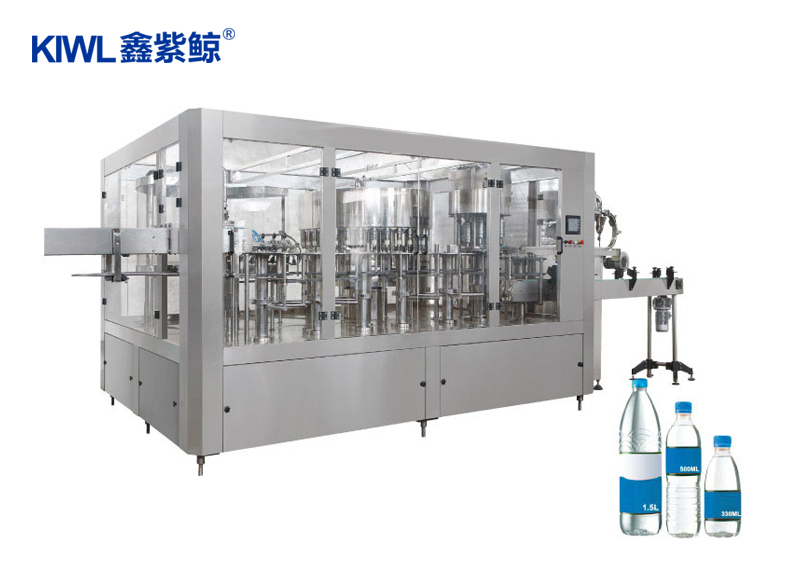
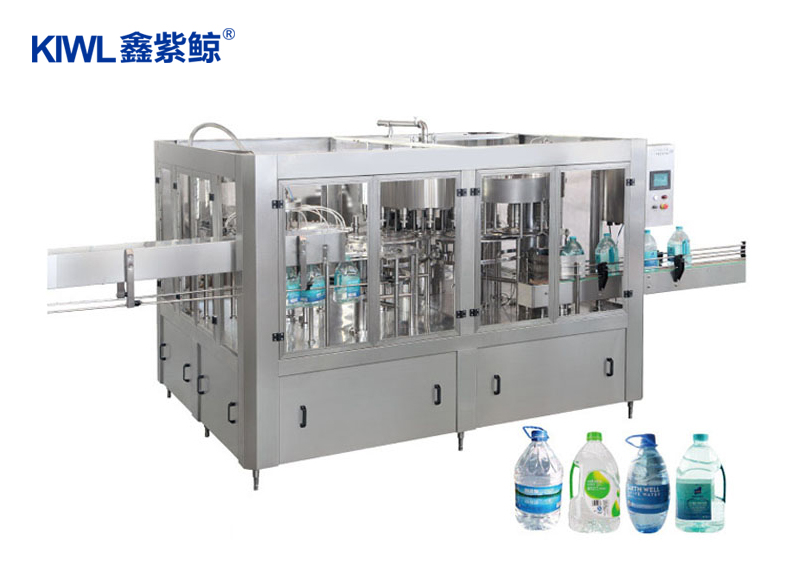
The first step in evaluating water filling equipment is understanding the different types available. Each type is designed to handle specific needs and production capacities. The main categories include gravity filling machines, pressure filling machines, and vacuum filling machines. Gravity fillers are ideal for low-viscosity liquids and lower production speeds. Pressure fillers are better suited for carbonated beverages or high-speed production environments. Vacuum fillers are often used for high-precision filling, especially for thicker liquids.
Choosing the right type depends on your production scale, the nature of the liquid, and your specific operational requirements. For instance, if you are dealing with highly carbonated water, a pressure filling machine might be necessary to handle the carbonation levels effectively.

2. Assessing Production Capacity and Speed
Production capacity and speed are critical factors in evaluating water filling equipment. Assess your current and anticipated production needs to choose a machine that can handle the volume without compromising on quality. Equipment capacity is generally measured in bottles per hour or per minute. Ensure that the filling machine you choose can meet your highest production demands while maintaining accuracy and efficiency.
Additionally, consider the speed of the equipment and its impact on your overall production line. Faster machines can improve throughput, but they must be balanced with the ability to maintain high filling accuracy and consistency. Equipment with adjustable speeds can offer flexibility to adapt to varying production needs.
3. Evaluating Quality and Maintenance Requirements
Quality and maintenance are essential for long-term performance and reliability of water filling equipment. Opt for machines built with high-quality materials and advanced technology to ensure durability and efficient operation. Stainless steel components, for instance, are preferred for their resistance to corrosion and ease of cleaning.
Regular maintenance is crucial for preventing downtime and ensuring consistent performance. Evaluate the maintenance requirements of the equipment, including ease of cleaning, availability of spare parts, and the complexity of routine upkeep. A machine that is easy to maintain will reduce operational disruptions and extend the equipment's lifespan.
Final Thoughts
Evaluating water filling equipment involves a thorough understanding of different types of machines, assessing production capacity and speed, and considering quality and maintenance needs. By carefully analyzing these factors, you can select equipment that aligns with your production requirements and enhances operational efficiency. Making an informed decision will not only improve your production processes but also contribute to the overall success of your business. Remember to continually review and adjust your equipment choices as your production needs evolve to stay competitive and efficient in the market.